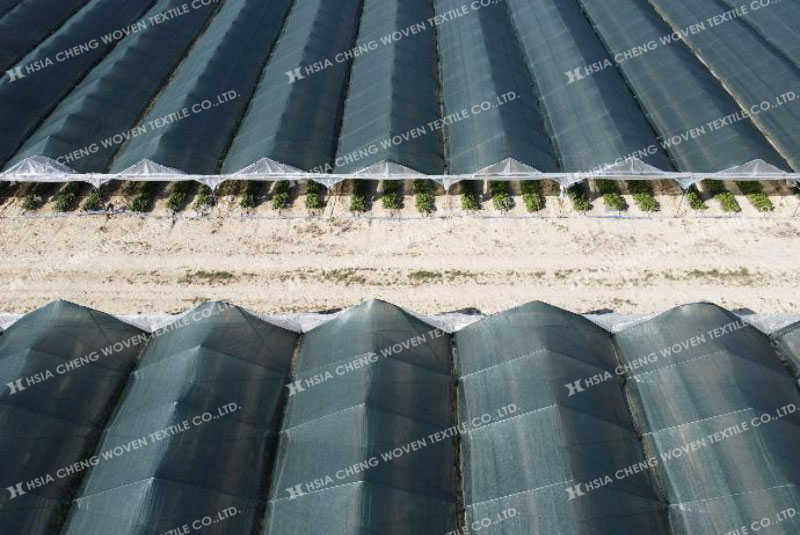
Greenhouse overheating is a common issue in hot seasons and high-sunlight environments. Although greenhouses are built to protect crops, excess heat can quickly build up inside and create stressful growing conditions. When temperature rises too high, crops may suffer from leaf damage, weak growth, and lower yield.
To manage the greenhouse overheating problem, growers need a solution that can reduce heat and regulate light without stopping airflow. Knitted shade cloth is one practical option because it lowers direct solar exposure while maintaining ventilation inside the greenhouse.
What Causes the Greenhouse Overheating Problem?
Heat Retention Inside the Greenhouse
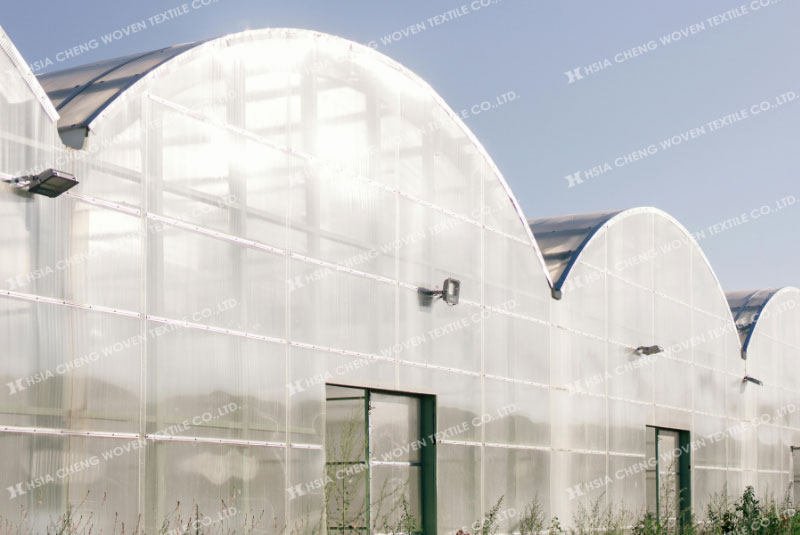
The main cause of the greenhouse overheating problem is heat retention. Sunlight passes through greenhouse coverings such as plastic film or polycarbonate sheets and is converted into heat after reaching plants, soil, and internal surfaces. Because the structure is enclosed, the heat does not escape easily, so the internal temperature rises quickly.
Poor Ventilation
Ventilation is essential for releasing hot air. If side openings, roof vents, or circulation paths are limited, heat remains trapped inside the greenhouse. This makes the growing environment hotter and less stable for crops.
Strong Sunlight Exposure
In areas with intense sunlight, solar radiation can rapidly increase greenhouse temperature, especially around midday. Even when the outdoor climate seems manageable, the greenhouse may still become excessively hot because heat accumulates faster inside.
Dense Crop Arrangement
When crops are planted too closely, airflow around the canopy becomes weaker. This can create localized hot spots and make it more difficult for heat to dissipate evenly throughout the greenhouse.
How Overheating Affects Crops
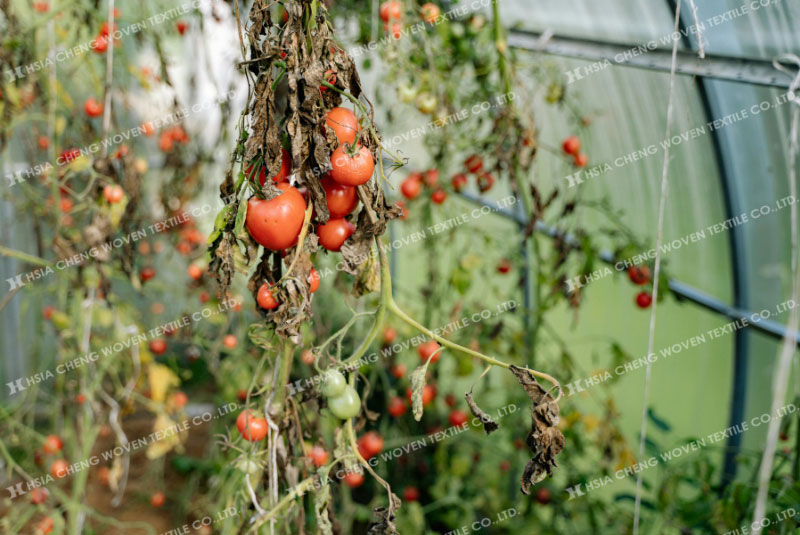
The greenhouse overheating problem directly affects crop health and performance. Common effects include:
- Leaf burn and wilting caused by excessive heat and rapid water loss
- Slower growth because high temperature reduces normal plant activity
- Lower yield and quality when flowering, fruit set, or development are disrupted
- Higher production risk as stressed crops become more vulnerable to pests and diseases
These effects make greenhouse temperature control an important part of stable crop production.
Signs Your Greenhouse Is Overheating
In many cases, overheating becomes noticeable before serious crop loss occurs. Common warning signs include midday wilting even when irrigation is adequate, leaf edge scorch, uneven crop growth, and excessive heat buildup during sunny hours. Some growers may also notice that the greenhouse feels much hotter than the outside environment, especially when airflow is weak. Recognizing these signs early helps growers take action before heat stress begins to affect crop quality and yield.
How Knitted Shade Cloth Helps Reduce Heat and Regulate Light
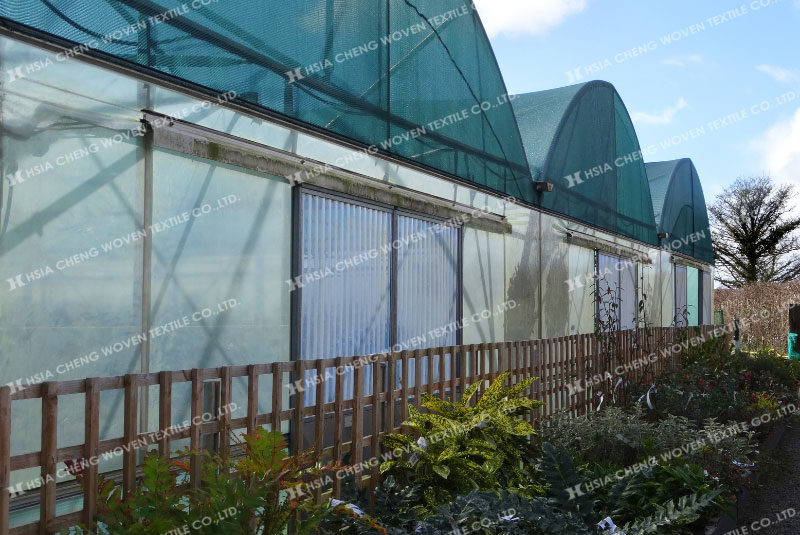
Knitted shade cloth helps by lowering the intensity of direct sunlight before excessive heat builds up inside the greenhouse. With less solar radiation reaching the structure or crop canopy, growers can reduce heat stress more effectively during hot periods.
Another key advantage is its breathable knitted net structure. Unlike solid materials that may trap heat, knitted shade cloth allows air to pass through, making it better suited for greenhouse use where ventilation remains necessary.
If you want to know more about shading options and selection factors, click here:
Greenhouse Shade Cloth Buying Guide: How to Choose the Right Netting for Heat Reduction
Shade Cloth Works Best with Proper Ventilation
While shade cloth is effective in reducing solar heat gain, it works best when combined with proper greenhouse ventilation. Shading can lower the amount of heat entering the structure, but trapped hot air still needs a way to escape. For this reason, shade cloth should be used together with ventilation openings, natural airflow, or other cooling strategies. This combination creates a more stable environment and improves the overall effect of greenhouse temperature control.
Best Way to Use Shade Cloth in a Greenhouse
To improve heat control, shade cloth should be used in a way that supports overall greenhouse ventilation rather than replacing it. In most cases, growers should:
- choose an appropriate shade level based on crop sensitivity and sunlight intensity
- install shade cloth where it can reduce direct heat exposure
- keep airflow paths open so hot air can still escape
The goal is to reduce excessive heat while keeping enough light for normal crop growth.
Why Hsia Cheng Knitted Shade Cloth Is Worth Considering
When choosing shade cloth for greenhouse cooling, performance and material quality both matter. Hsia Cheng Knitted Shade Cloth is designed for agricultural use where growers need both heat reduction and stable airflow.
Key features include:
- Made from 100% virgin HDPE
- Added UV-stabilized protection for outdoor durability
- Available in different shade levels for various crop and climate needs
- Knitted structure supports flexibility, ventilation, and long-term use
For growers facing repeated greenhouse overheating problems, Hsia Cheng Knitted Shade Cloth offers a practical way to improve crop protection while maintaining a workable greenhouse environment.
A Smarter Approach to Greenhouse Temperature Control
The greenhouse overheating problem is mainly caused by trapped heat, limited ventilation, strong sunlight, and restricted airflow around crops. If not managed properly, it can reduce crop health, growth, and productivity.
Knitted shade cloth is an effective way to reduce heat and regulate light while still allowing ventilation in greenhouse conditions. For growers looking for a reliable shading solution, Hsia Cheng Knitted Shade Cloth is a practical option worth exploring.