In large-scale protected cultivation, the effectiveness of insect netting depends not only on material quality but also on how the system is installed across the structure. Vents, doors, roof openings, and service areas can all become weak points if installation is incomplete or uneven. For this reason, insect netting installation should be treated as part of farm infrastructure planning in high-tech agriculture, especially where stable pest exclusion is required across large growing areas.
Why Insect Netting Installation Is Essential for Large-Scale Farms
On large-scale farms, installation consistency is a major factor in system performance. The larger the growing area, the more openings, structural joints, and access points must be protected. If anti insect net is installed unevenly, small gaps at high-risk locations can reduce the effectiveness of the entire system.
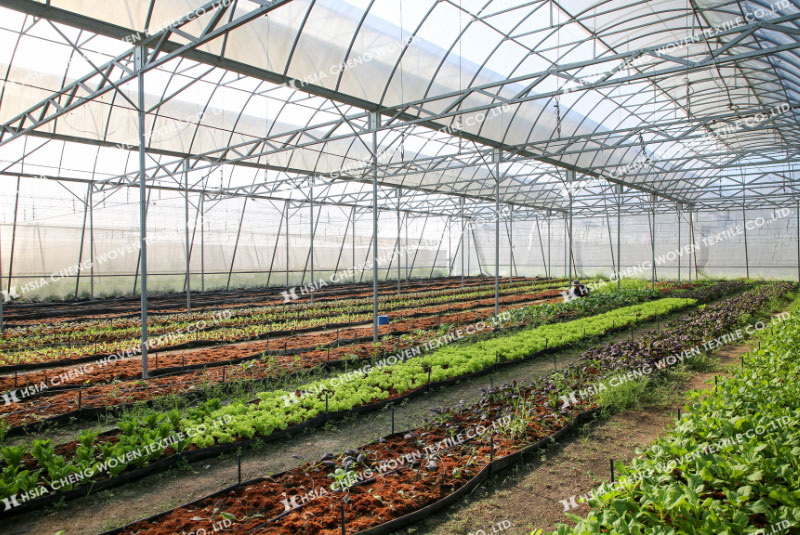
Practical Applications in Net Houses and Greenhouses
In modern net houses and greenhouses, anti-insect net installation is most effective when key entry points are identified and sealed systematically. The following areas usually require the most attention in large-scale projects:
Side Ventilation Systems
Side ventilation areas are key points for insect netting installation in large-scale farms. These openings regulate temperature and humidity but are also the most vulnerable entry points for insects, so they must be covered without leaving loose edges, corner gaps, or uneven tension. In large-scale farms, proper fastening at side vents is essential for maintaining consistent protection over time.
Main and Secondary Doors
Doors are high-traffic zones with frequent opening and closing. Many farms use double-door systems combined with anti-insect net layers to create a safety buffer. The net must tightly fit the frame without corner gaps. Staff training on proper door operation also plays an important role in preventing pest intrusion.
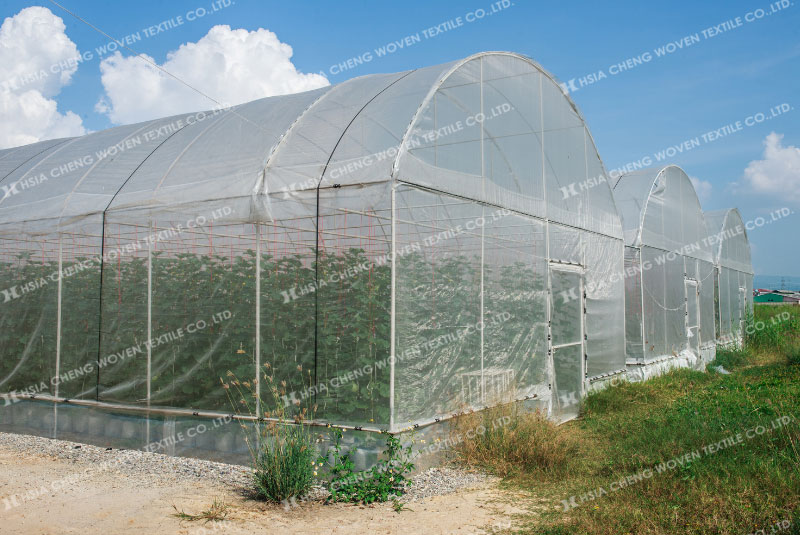
Technical Openings and Skylights
Technical openings and skylights are often overlooked during installation planning, yet they can become persistent weak points in large structures. These areas should be measured carefully and fitted with insect netting that can remain stable under long-term exposure and structural movement.
Roof Ventilation Areas
Roof ventilation systems areas usually face stronger wind pressure and wider spans than lower openings. For this reason, insect netting installation in these sections should prioritize mechanical strength, secure fastening, and resistance to deformation over time.
How to Choose Anti Insect Net for Large-Scale Installation
Mechanical Durability – The Key to System Lifespan
For large-scale insect netting installation, mechanical durability is one of the most important selection criteria. The material should withstand wind load, fastening tension, and long-span coverage without sagging or tearing easily. In wide installation areas, weak material performance can quickly lead to uneven protection and higher maintenance demand.
UV Resistance – Ensuring Long-Term Performance
In hot climates, UV resistance is critical, as non-treated nets may degrade within 1–2 years under intense sunlight. UV-stabilized insect netting maintains flexibility and fiber strength for longer service life, improving long-term cost efficiency.
Air Permeability and Structural Compatibility
Insect netting must balance pest prevention with ventilation. Nets that are too dense may restrict airflow and increase internal temperature. Proper selection ensures crops develop under optimal environmental conditions while effectively reducing pests.
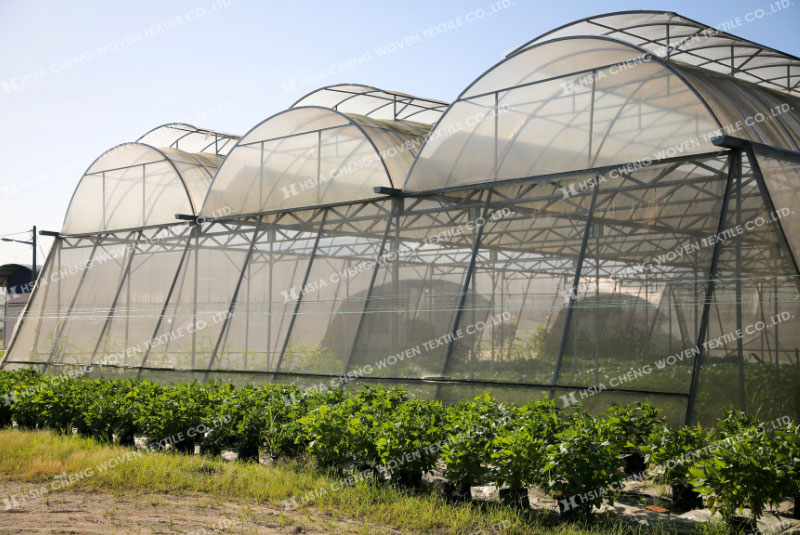
Insect Netting Installation Process for Large-Scale Farms
Site Survey and Planning
Large-scale insect netting installation requires detailed planning. Accurate measurements, identification of installation zones, and evaluation of wind direction are essential steps. The greenhouse frame must also be inspected to ensure load-bearing capacity.
Material Calculation and Frame Preparation
After surveying, material quantities including insect netting area, waste ratio, and fastening accessories must be calculated. Frames should be treated to remove sharp edges that could damage the anti-insect net.
Stretching, Finishing, and Inspection
During insect netting installation, the net must be evenly stretched without sagging. Overlapping joints must be sealed tightly to prevent insect entry. A full system inspection ensures long-term performance before operation.
Why Installation Quality Matters in Long-Term Farm Operations
For large-scale farms, installation quality affects more than the initial setup. If netting is unevenly fixed, poorly sealed at corners, or loosely installed at high-pressure openings, small issues can gradually turn into larger maintenance problems. Over time, this can reduce protection consistency across the entire structure.
When insect netting installation is planned and executed carefully, farms can reduce weak points, simplify follow-up maintenance, and maintain a more reliable pest exclusion system over the long term. This is especially important in large protected cultivation areas, where minor installation differences can have a wider operational impact.
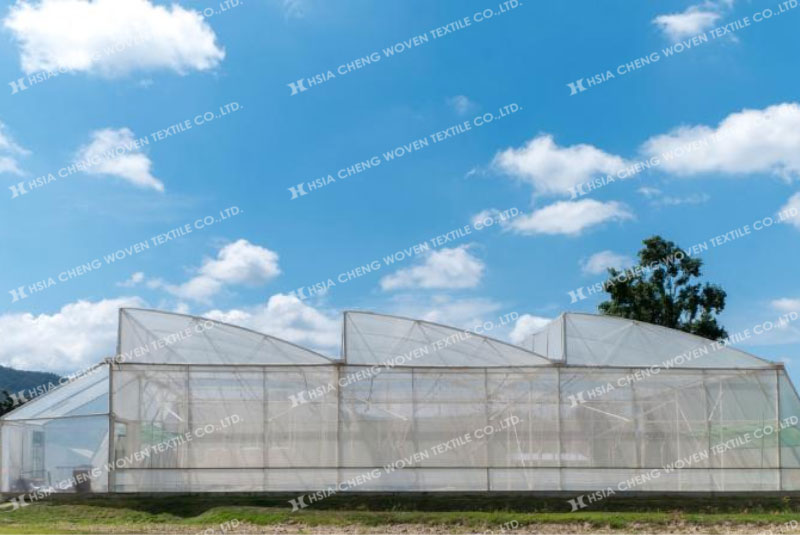
Maintenance and Management After Installation
Periodic Inspection
Anti-insect net systems should be inspected every 3–6 months, especially at fastening points, corners, and high-movement areas. Even small tears can become pest entry points.
Timely Repair and Reinforcement
Damaged sections must be repaired immediately, and fastening components should be checked to make sure tension remains stable across the installed area.
Cleaning to Maintain Ventilation
Dust and debris accumulation can reduce airflow. Regular cleaning ensures optimal ventilation and prolongs insect netting lifespan.
Our Insect Netting Large Scale Farm Installation
Hsia Cheng provides insect netting solutions designed for large-scale greenhouse and net house applications where installation quality, structural compatibility, and long-term durability all matter. For broad coverage areas, the right netting should do more than block insect entry. It should also support stable fastening, consistent mesh performance, and reliable outdoor use across different installation zones.
Our anti-insect netting is made for agricultural environments that require dependable performance under sun exposure, wind pressure, and daily farm operation. With options suitable for different structure types and protection needs, Hsia Cheng’s insect netting helps farms plan more effective installation across side vents, access doors, roof openings, and other critical entry points.
For large-scale projects, choosing insect netting with uniform mesh, UV resistance, and strong material stability can help improve installation consistency and reduce future maintenance issues.
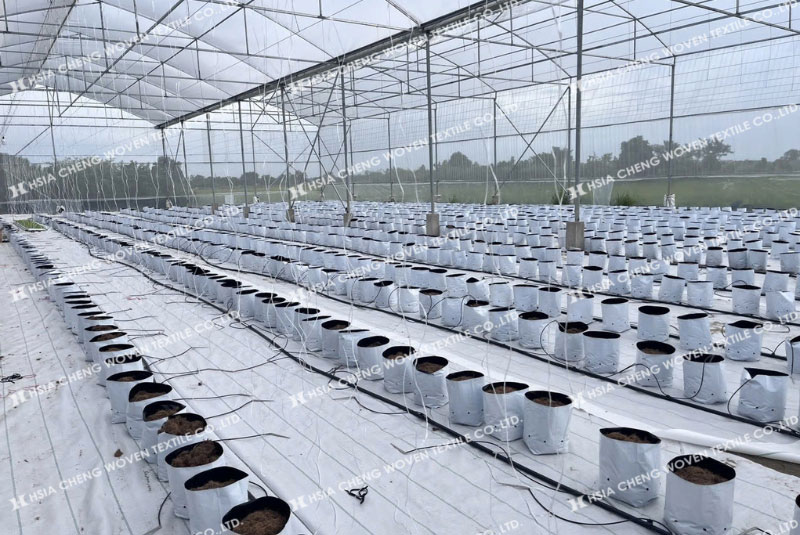
Building a More Reliable Insect Netting System for Large-Scale Farms
For large-scale farms, insect netting installation is most effective when it is planned as part of the overall structure rather than added only as a final protective layer. The quality of installation across ventilation zones, doors, roof openings, and technical access points directly affects how reliable the pest exclusion system will be over time.
Choosing suitable netting material is important, but long-term performance also depends on proper layout planning, secure fastening, and consistent maintenance. When these elements work together, insect netting can provide more reliable support for protected cultivation systems and help farms manage large growing areas with greater consistency. Contact Hsia Cheng for more about anti insect nets!