Thrips are one of the most difficult pests to control in modern agriculture. They are difficult to control not only because they are small, but because they reproduce quickly, hide in protected plant tissues, and repeatedly invade from outside growing areas. When control depends only on repeated spraying, infestations often return before the problem is fully contained. In many cases, the real issue is not effort, but the lack of an effective prevention strategy.
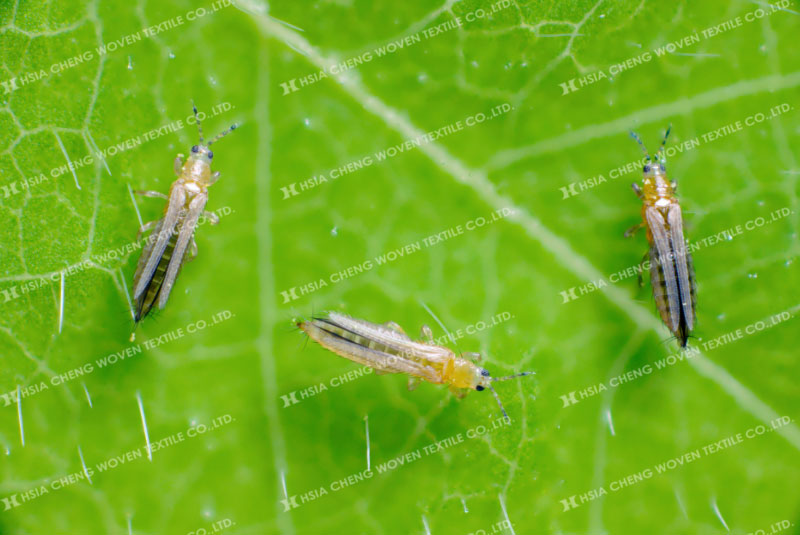
Why Thrips Keep Coming Back?
Thrips are among the most persistent pests in both protected cultivation and open-field farming. Their tiny size allows them to hide in young leaves, flower buds, and other plant parts that are difficult to treat thoroughly. At the same time, nearby weeds, crop residues, and surrounding planting areas can continue to serve as sources of reinfestation.
This is why growers often experience the same pattern: treatments reduce the visible thrips population for a short time, but new thrips soon return and crop damage continues.
Common Mistakes That Make Thrips Control Fail
1. Waiting Until Damage Is Visible
Many growers begin control only after leaf curling, silvering, or flower damage becomes obvious. By that stage, thrips are often already established inside the crop and harder to suppress effectively.
2. Relying Too Heavily on Chemical Sprays
Chemical treatment may provide a fast initial response, but frequent use can reduce long-term effectiveness. Thrips are known for developing resistance, especially when the same control approach is repeated over time.
3. Ignoring Entry Points and Nearby Pest Sources
Even when plants inside the growing area are treated, thrips can continue to enter from vents, side openings, weeds, and plant debris nearby. Without managing these entry points, the infestation cycle often continues.
What Damage Can Thrips Cause?
Thrips damage both crop appearance and production performance. The impact is not limited to visible leaf injury. In many cases, it also affects flowering, fruit set, and disease risk.
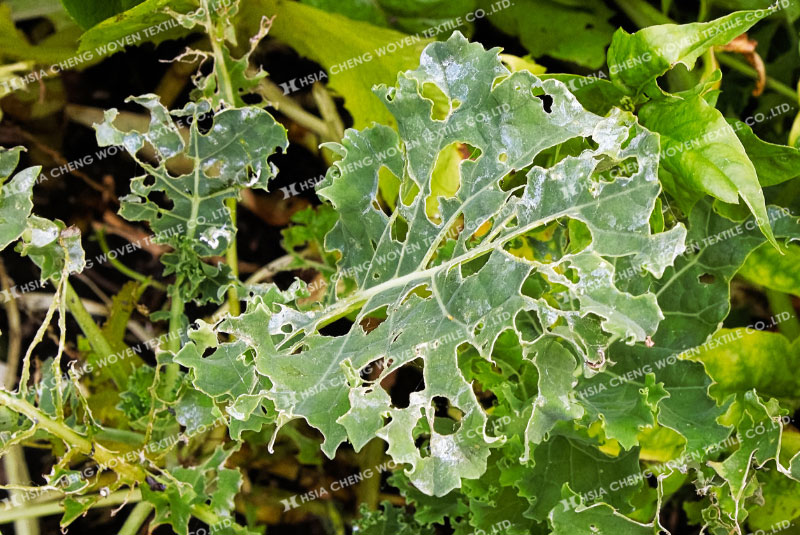
Thrips feeding can cause silver patches, curling, and distortion on young leaves and shoots. During the flowering stage, they may damage buds and flowers, resulting in reduced fruit set and lower yield. Some thrips species can also transmit plant viruses, increasing the overall production risk beyond direct feeding damage alone.
Why Reactive Control Is Often Not Enough
Several common methods are used against thrips, including pesticides, biological control, sticky traps, and insect netting. Each has value, but each also has limits when used alone.
| Method |
Main Strength |
Main Limitation |
| Pesticides |
Fast knockdown effect and quick reduction of visible thrips populations |
Thrips can develop resistance over time, and control is often incomplete if eggs, larvae, or repeated invasion are not addressed |
| Biological Control | Lower chemical residue and supports a more eco-friendly pest management approach | Usually slower in heavy infestations and may not provide immediate suppression when pest pressure is already high |
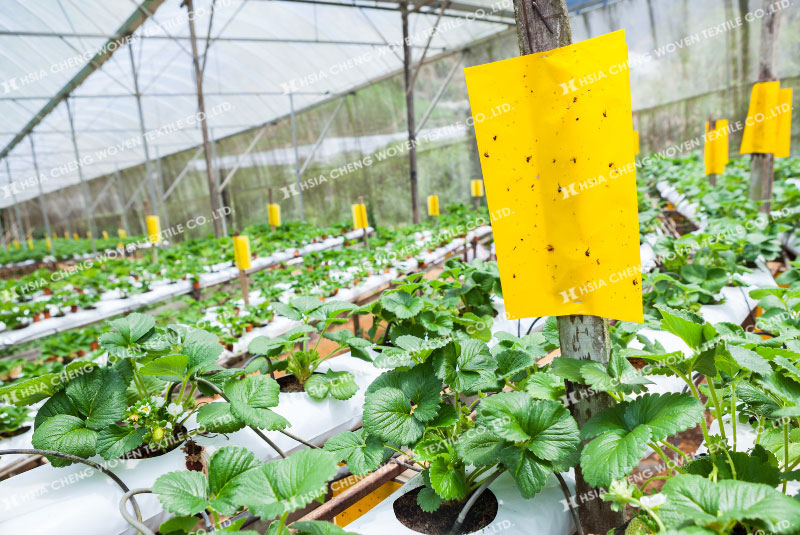
| Sticky Traps | Useful for monitoring adult thrips activity and helping detect infestation trends early | Mainly affects flying adults and has limited impact on eggs, larvae, and hidden thrips inside plant tissues |
| Insect Netting | Helps prevent thrips from entering the growing area in the first place | Must be properly selected, installed, and sealed to achieve effective exclusion |
The main weakness of reactive control is that it begins after thrips are already present. When outside invasion continues, repeated treatment inside the crop may never fully solve the problem.
The main weakness of reactive control is that it begins after thrips are already present. When outside invasion continues, repeated treatment inside the crop may never fully solve the problem.
Why 50 Mesh Insect Netting Matters for Thrips
Not all insect netting offers the same level of protection. Thrips are much smaller than many common agricultural pests, so general insect exclusion is not always enough. This is where 50 mesh insect netting becomes more relevant.
How Our 50 Mesh Insect Netting Helps Reduce Thrips Pressure
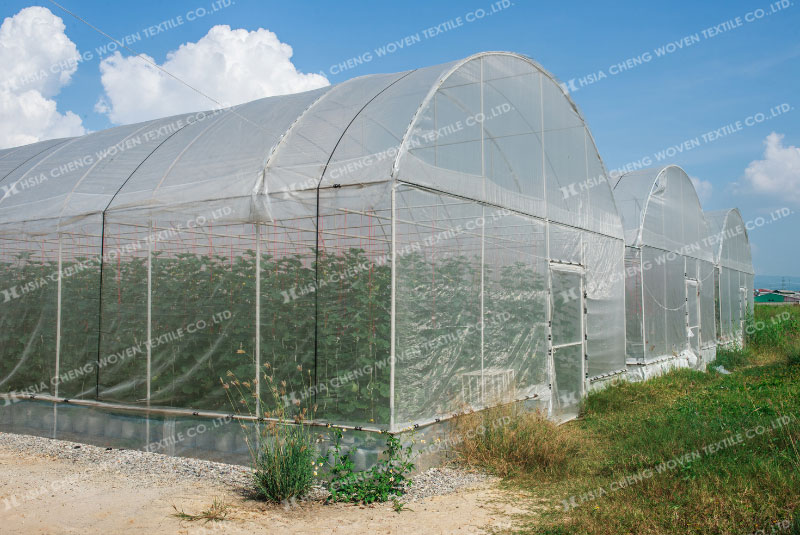
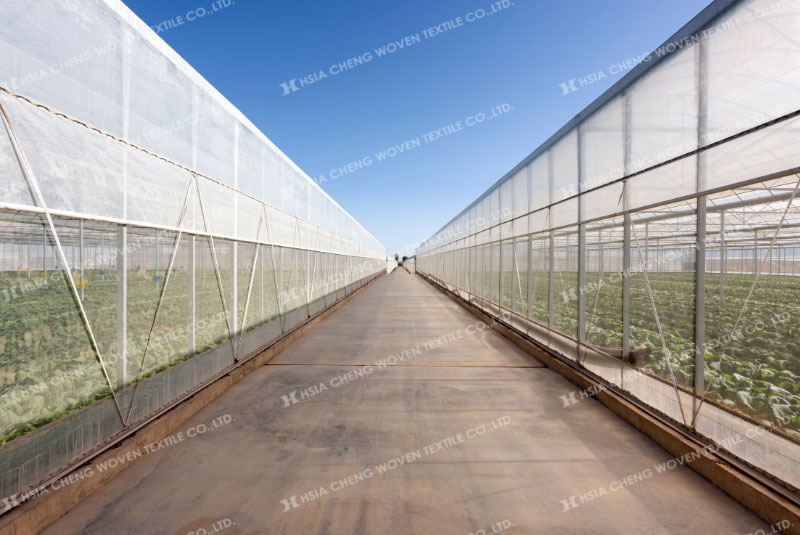
The value of our 50 mesh insect netting lies in source control. When installed at greenhouse openings, side vents, or net-house access points, it helps reduce repeated pest invasion from surrounding environments. This can make internal control measures easier and more consistent.
In practical use, our 50 mesh insect netting may help by:
- reducing repeated entry of thrips
- lowering dependence on frequent rescue spraying
- supporting a more stable pest management routine
- improving the effectiveness of sanitation and monitoring measures
For growers who need finer pest exclusion, a properly selected insect netting solution can be a practical long-term investment, especially in crops that are highly vulnerable to thrips damage.
How to Use 50 Mesh Insect Netting More Effectively
To improve results, 50 mesh insect netting should be used before pest pressure becomes severe. Early installation is usually more effective than adding barriers after thrips are already well established.
Effectiveness also depends on proper use:
- seal vents, side openings, and frame gaps carefully
- remove weeds and crop residues near the growing area
- use sticky traps to monitor pest activity
- combine with biological or chemical control when needed
When these measures are integrated, the control system becomes more stable and less dependent on repeated emergency treatment.
You May Be Interested In:
Growing Cabbage in Net Houses with Insect Netting for Better Pest Control
Frequently Asked Questions (FAQ)
1. Is 50 Mesh Necessary for Thrips Control?
Because thrips are extremely small, finer mesh selection is often necessary when the goal is to reduce pest entry more effectively.
2. Where Should 50 Mesh Insect Netting Be Installed First?
Priority should usually be given to vents, side openings, and other likely pest entry points.
3. Can 50 Mesh Insect Netting Replace Pesticides Completely?
Not always. It is best used as part of an integrated strategy that may also include monitoring, sanitation, and targeted treatment when needed.
4. What Reduces Insect Netting Effectiveness Most?
Poor sealing, damaged netting, and untreated surrounding pest sources can all reduce performance.
A More Practical Way to Get Rid of Thrips
If thrips keep returning, the issue is often not insufficient treatment but incomplete prevention. Repeated spraying may reduce populations temporarily, but it does not stop continued invasion from outside sources. A more practical approach is to combine monitoring, sanitation, and early exclusion. In that system, 50 mesh insect netting can play an important role by helping block thrips before they become a larger problem inside the crop.