Growing cabbage in net houses is becoming a practical solution for growers facing rising pest pressure, unstable weather, and stricter quality requirements. By combining a protected structure with insect netting and suitable shade net support, this cultivation method helps reduce insect damage, improve crop uniformity, and lower dependence on chemical pesticides. For cabbage, which is highly vulnerable to leaf-feeding pests, a well-managed net house can provide more stable growing conditions and better harvest quality.
Benefits of Growing Cabbage in Net Houses
Reducing Weather Impact and Creating a Stable Growing Environment
When cabbage is grown in net houses, plants are better protected from heavy rain, intense sunlight, and strong winds. These outdoor stress factors often lead to leaf damage, uneven growth, and lower head quality. A protected structure helps stabilize the growing environment, reduce heat stress, and limit rainfall impact on soil and nutrients. As a result, cabbage can develop more evenly and form firmer, more marketable heads.
Improving Pest Exclusion in Cabbage Production
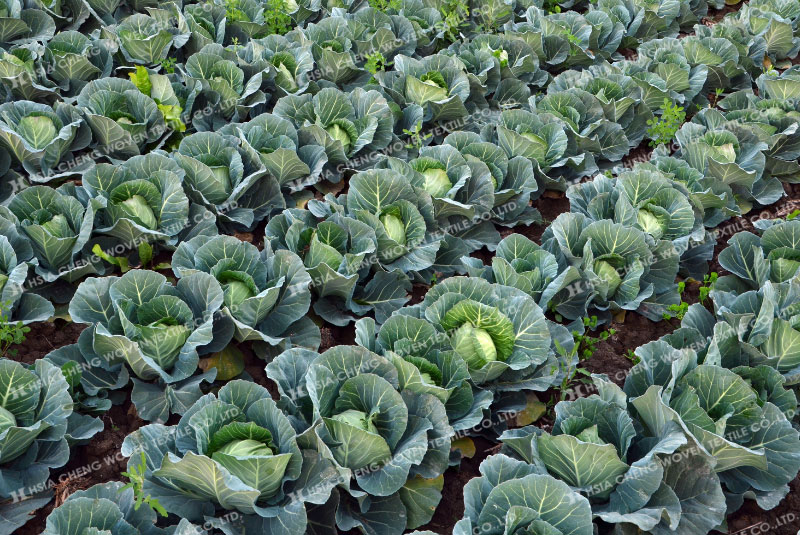
One of the most outstanding benefits of growing cabbage in net houses is the ability to limit the invasion of harmful insects such as diamondback moths, flea beetles, and aphids. The anti insect net surrounding the net house acts as a physical barrier, preventing insects from accessing and laying eggs on cabbage plants. By reducing pest pressure from the early growth stages, cabbage plants suffer less leaf damage and maintain more stable growth throughout the cultivation cycle. This also helps reduce the frequency of pesticide spraying and lowers the risk of pest outbreaks inside the net house.
Supporting Cleaner Production and Better Crop Quality
With lower pest pressure and more stable growing conditions, cabbage growers can often reduce unnecessary pesticide applications and improve crop consistency. This supports cleaner production and helps harvested cabbage achieve better appearance, more uniform size, and stronger market acceptance.
Growth Conditions for Cabbage in Net Houses
Suitable Temperature and Light for Cabbage in Net Houses
Cabbage is a cool-season vegetable that grows best at temperatures ranging from 18–25°C. When grown in net houses, farmers can actively regulate temperature and light by using appropriate shade netting or improving ventilation. Proper light control helps prevent heat stress, leaf scorch, and poor head formation caused by intense sunlight. With stable light and temperature conditions, cabbage grows more uniformly, develops strongly, and achieves better quality compared to outdoor cultivation.
Proper Soil Moisture and Irrigation Regimes
Soil moisture plays a critical role in the growth of cabbage in net houses. The soil should maintain consistently moist without becoming waterlogged, as both drought stress and excessive moisture can reduce growth and increase root problems. Sprinkler or drip irrigation systems are commonly used to control water supply more efficiently. Proper irrigation promotes strong root development, enhances nutrient absorption, and supports effective head formation.
Soil Requirements and Suitable pH Levels
Soil used for growing cabbage in net houses should be loose, nutrient-rich, and well-drained. A pH range of 6.0 to 6.8 is generally suitable for nutrient uptake and healthier root development. Before planting, proper soil preparation, organic matter incorporation, and basic soil treatment help create a stronger foundation for vigorous growth and better harvest quality.
Preparing Net Houses for Growing Cabbage
Structure and Height of Net Houses for Cabbage
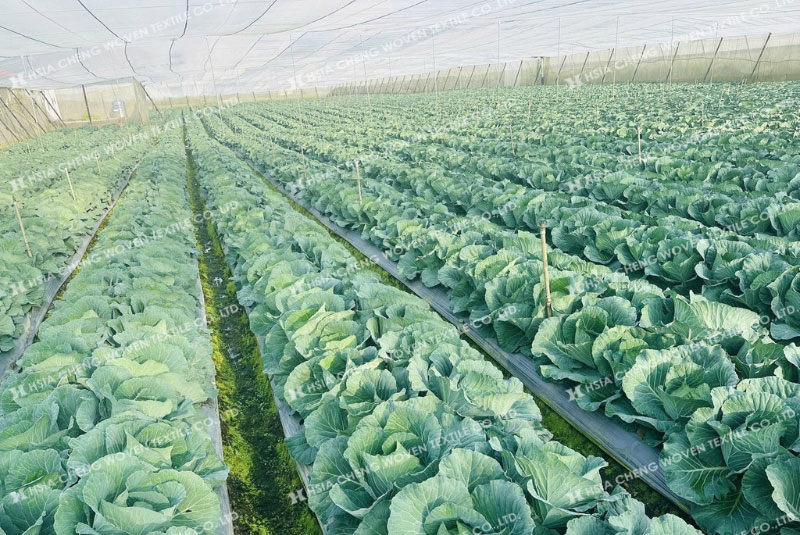
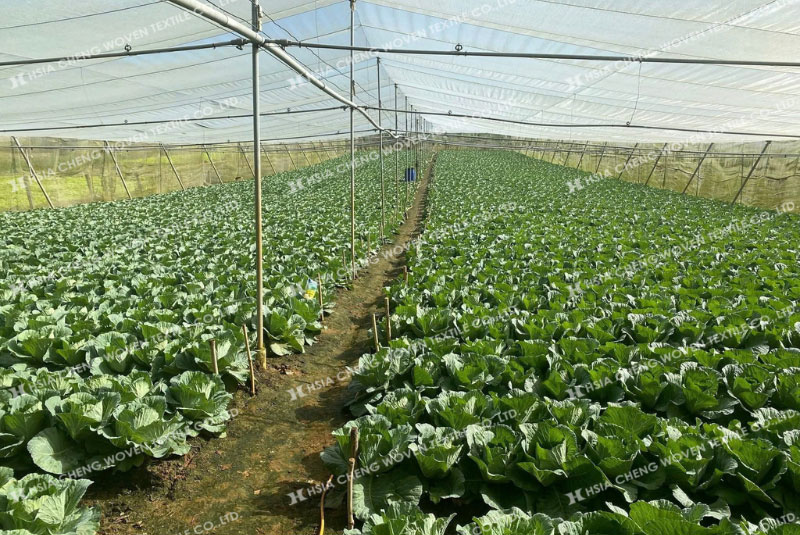
Net houses for cabbage cultivation must be sturdy and well-ventilated to support healthy plant growth. The frame may be built from galvanized steel, iron, or bamboo, depending on scale and budget. A height of around 2.5–3 meters is commonly used to improve air circulation and reduce heat buildup inside the structure
Shade Netting and Insect Netting Setup
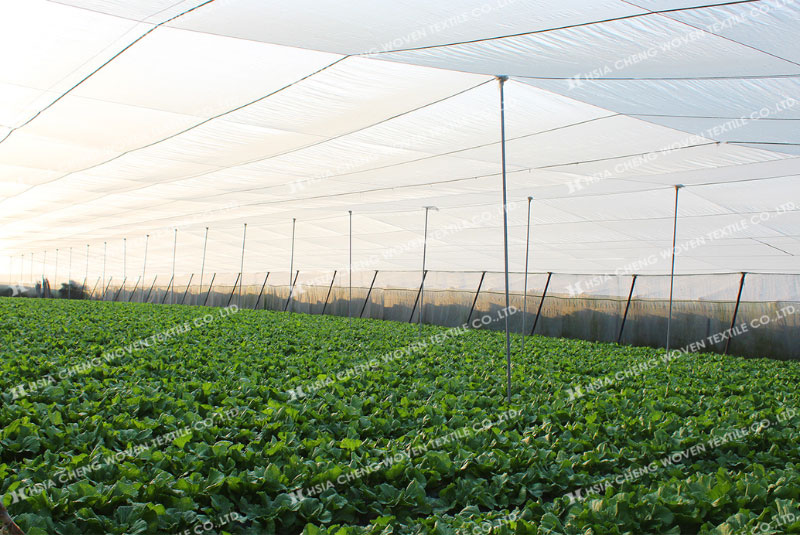
Suitable shade netting can help reduce excessive heat and light stress during hot periods, while anti insect net around the net house helps block common cabbage pests from entering. For cabbage cultivation, this combination is most effective when ventilation is still maintained, allowing growers to balance pest control with a healthier internal growing environment.
Why This Method Supports More Reliable Cabbage Production
Over time, growing cabbage in net houses can help improve production consistency by reducing weather-related stress and lowering pest pressure. With better crop protection and more uniform growth, growers are in a stronger position to produce cleaner, higher-quality cabbage with fewer disruptions during the season.
Selecting Suitable Cabbage Varieties for Net House Cultivation
Prioritizing Cabbage Varieties Suitable for Net Houses
Cabbage variety selection plays a crucial role in determining yield and harvest quality in net house cultivation. Farmers should prioritize varieties with vigorous growth, uniform head formation, and tolerance to local temperature and disease pressure. Suitable green cabbage, purple cabbage, or heat-tolerant varieties can all perform well in net houses when matched with proper management.
Seed Quality Requirements and Pre-Sowing Treatment
Cabbage seeds used in net houses should come from reliable sources to ensure better germination and more uniform seedlings. Before sowing, appropriate seed treatment can help reduce the risk of fungal or pathogen contamination and support healthier early plant development.
Seedling Nursery and Transplanting
Cabbage seeds are commonly started in seedling trays or small soil blocks. During the nursery stage, moderate moisture should be maintained to avoid stress or root problems. After about 20–25 days, when seedlings have 4–5 true leaves, they can be transplanted into prepared beds inside the net house. Proper spacing, such as around 40–45 cm between plants, supports healthy growth and more uniform head formation.
Caring for Cabbage in Net Houses
Proper Irrigation During Cabbage Cultivation in Net Houses
Throughout the growth cycle, cabbage requires regular watering to maintain stable soil moisture, especially during the head formation stage. Sprinkler or drip irrigation systems are commonly used in net houses to distribute water evenly and conserve water. However, farmers should avoid prolonged waterlogging, as it can cause root rot, promote fungal diseases, and negatively affect cabbage yield.
Balanced Fertilization to Support Healthy Cabbage Growth
Fertilization for cabbage in net houses should prioritize organic and microbial fertilizers to improve soil fertility and ensure clean vegetable quality. Top dressing is usually applied 2–3 times during the growing season, depending on plant development stages. Combining fertilization with light soil loosening improves aeration, enhances nutrient absorption, and supports healthy growth and uniform head formation.
Hsia Cheng’s Anti Insect Netting for Cabbage Cultivation
Why Net Selection Matters in Cabbage Net Houses
For cabbage net houses, the effectiveness of insect netting depends not only on coverage, but also on selecting the right specification for target pests and growing conditions. Mesh size, airflow requirements, and overall structure design all influence how well the net performs in practical cultivation.
Key Features of Hsia Cheng Anti Insect Netting
Hsia Cheng’s anti insect net is manufactured from virgin HDPE fibers with UV resistance, providing strong durability for long-term outdoor agricultural use. The material is designed to withstand sun and rain exposure and is less prone to brittleness or tearing under field conditions. Our insect netting is available in various mesh sizes, ranging from 16 to 50 mesh, allowing growers to select suitable specifications based on target insect size, ventilation needs, and local growing conditions. This flexibility makes it easier to balance effective pest exclusion with practical airflow management in cabbage net houses.
How the Right Mesh Supports Cleaner Cabbage Production
When the appropriate mesh size is selected and installed correctly, anti insect netting can support more stable cabbage protection while helping reduce excessive pesticide dependence. This contributes to cleaner production management and helps growers move more easily toward clean vegetable standards such as VietGAP.
Harvesting and Economic Efficiency
Harvest Time and Techniques for Cabbage in Net Houses
Cabbage grown in net houses is typically ready for harvest after 70–90 days, depending on the variety and care conditions. When heads are tightly formed, reach standard size, and feel firm, harvesting can begin. Harvesting at the right time ensures optimal quality and prevents head cracking or over-maturity. Proper harvesting techniques also extend shelf life and maintain freshness and appearance during market distribution.
Economic Efficiency of Growing Cabbage in Net Houses
Compared with open-field production, cabbage grown in net houses can achieve more stable quality and lower pest-related losses. When management is done properly, growers may benefit from better marketable yield, more consistent product appearance, and reduced input waste during the season.
Building a More Reliable Cabbage Growing System
Growing cabbage in net houses is an effective and sustainable approach in modern agriculture. With proper net house design, suitable shade netting, and high-quality anti insect net systems, growers can improve cabbage quality, reduce pest pressure, and achieve more stable production under increasingly challenging farming conditions.