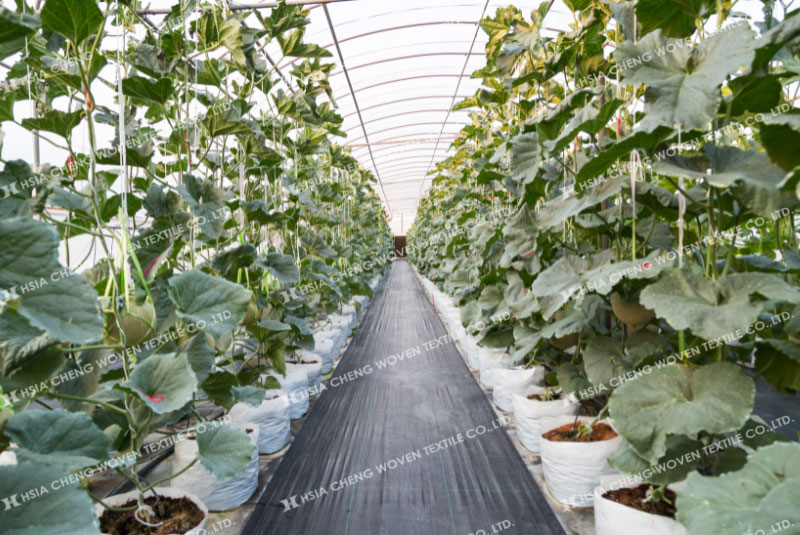
Grass still growing after installing ground cover more often than many growers expect. In most cases, the problem is not that weed control fabric does not work, but that weeds are growing because of installation gaps, surface debris, fabric damage, or product limitations. To solve the issue effectively, it is important to identify whether the grass is growing from underneath, through openings, or on top of the fabric. In this guide, we explain 7 common reasons why grass still grows after installing ground cover and how to fix each problem more effectively.
How Ground Cover Prevents Weed Growth
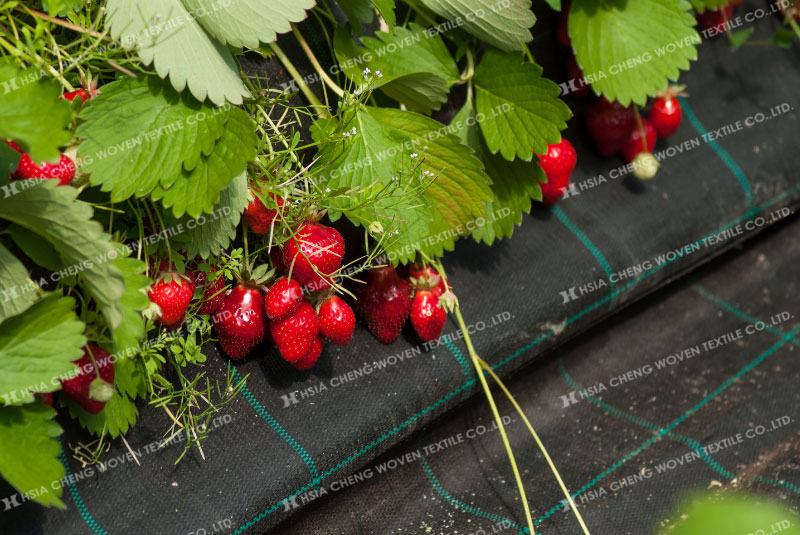
Ground cover, also known as landscaping fabric or weed control fabric, works mainly by blocking sunlight from reaching the soil surface. This reduces the chance of weed seeds germinating underneath the fabric. However, weed prevention is only effective when the fabric is installed correctly and remains intact over time. If there are gaps, damage, or exposed soil, grass may still grow despite the presence of ground cover.
7 Reasons Why Grass Still Grows After Installing Ground Cover
Reason 1. Existing Weeds or Roots Were Left in the Soil
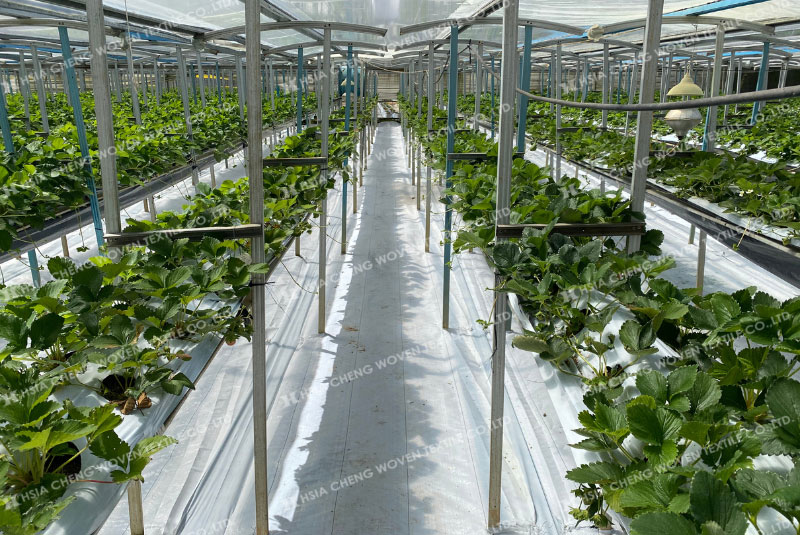
One of the most common causes of grass regrowth is poor site preparation before installation. If existing weeds, grass runners, or roots are left in the soil, they may continue growing underneath the fabric and eventually emerge through weak points or planting openings.
✔ How to fix it:
- Remove visible weeds, roots, and grass clumps before installation
- Level the soil surface so the fabric can sit closely against the ground
- If needed, allow cleared soil to rest briefly so hidden regrowth can be removed before laying the fabric
Reason 2. The Weed Control Fabric Is Not Properly Secured
If ground cover is not pinned down properly, wind, rain, or foot traffic can shift the fabric and expose small areas of soil. Once sunlight reaches those gaps, grass and weeds may begin to grow again.
✔ How to fix it:
- Use landscape U-pins every 50–100 cm
- Overlap edges properly
- Keep the fabric flat and tight against the ground
- Cover edges with soil or stones
Reason 3. The Ground Cover Is Torn or Damaged
Even a small tear can create an entry point for sunlight and regrowth. Damage may come from sharp stones, tools, repeated foot traffic, or general wear over time. Once the fabric is broken, weed prevention becomes less effective in that area.
✔ How to fix it:
- Patch holes with extra fabric pieces
- Use repair tape for quick fixes
- Add mulch or gravel on top for protection
Reason 4. Fabric Edges Are Not Overlapped Correctly
When multiple sheets of ground cover are installed without proper overlap, gaps can appear between seams. These gaps allow sunlight to reach the soil underneath.
✔ How to fix it:
- Overlap each sheet by 10–20 cm
- Secure overlapping areas with pins or soil
- Ensure no visible soil gaps remain
Reason 5. Weeds Grow From Soil Above the Fabric
In many cases, weeds do not grow through the fabric but actually germinate on top of it due to wind-blown seeds or organic debris.
Moisture and dust accumulation create a suitable environment for weed growth on the surface.
✔ How to fix it:
- Regularly clean the fabric surface
- Remove leaves, soil, and debris
- Add gravel, bark, or mulch on top layer
Reason 6. Planting Holes Are Too Large
When planting through weed control fabric, cutting large holes exposes soil directly to sunlight, allowing weeds to grow around plant bases.
✔ How to fix it:
- Use small X-shaped cuts instead of large holes
- Keep fabric close to plant stems
- Avoid exposing excess soil
Reason 7. The Fabric Has Reached the End of Its Lifespan
Like many agricultural materials, weed control fabric has a limited lifespan.
Typical durability:
- Standard fabric: 1–2 years
- UV-resistant fabric: 5–7 years or longer
Over time, sunlight and weather conditions weaken the fibers, allowing light to penetrate. Once the material becomes thin or brittle, weeds may start growing again. Regular inspection and replacement are recommended. Using HDPE ground cover can significantly extend durability and reduce long-term costs.
How to Install Weed Control Fabric Correctly
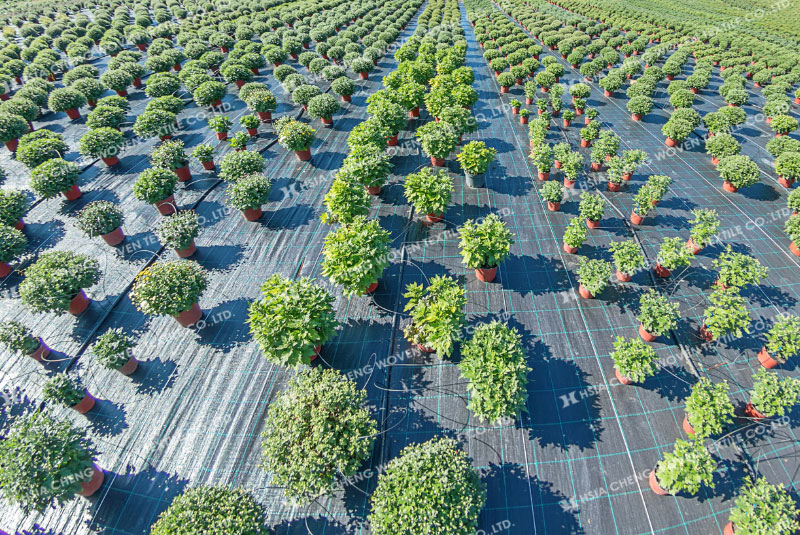
A more effective ground cover system usually depends on a few basic installation steps:
- Prepare the soil well
Remove weeds, roots, and uneven surface material before laying the fabric. - Keep the fabric flat and secure
Prevent shifting by pinning the fabric firmly and keeping edges in place. - Overlap seams carefully
Avoid exposed lines of soil between separate sheets. - Keep planting openings small
Limit sunlight exposure around plant bases as much as possible. - Check the surface regularly
Remove debris and repair damaged areas before weed growth spreads.
How Hsia Cheng Ground Cover Supports More Reliable Weed Prevention
When grass still grows after installation, the problem is not always caused by installation mistakes alone. Product quality also affects how well ground cover performs over time. For long-term agricultural use, it is helpful to choose weed control fabric with clear specifications for durability, UV resistance, and permeability.
Hsia Cheng ground cover is designed with these practical requirements in mind, including:
- Strong woven structure for more dependable long-term use
- UV-resistant material to help maintain performance under outdoor exposure
- Good water and air permeability to support practical field use
- Effective weed suppression for farms, orchards, and growing areas where weed prevention is a priority
For growers comparing ground cover options, clearly defined product standards can make it easier to choose a material that supports more consistent weed prevention and reduces the need for early replacement.
Find the Right Ground Cover for Weed Prevention
A Smarter Way to Improve Weed Prevention
Grass still growing after installing weed control fabric is usually caused by installation errors, material damage, or natural surface seed growth.
To achieve effective weed suppression, proper installation and high-quality materials are essential. Using UV-resistant HDPE weed control fabric ensures long-term durability, better soil moisture retention, and improved agricultural efficiency.