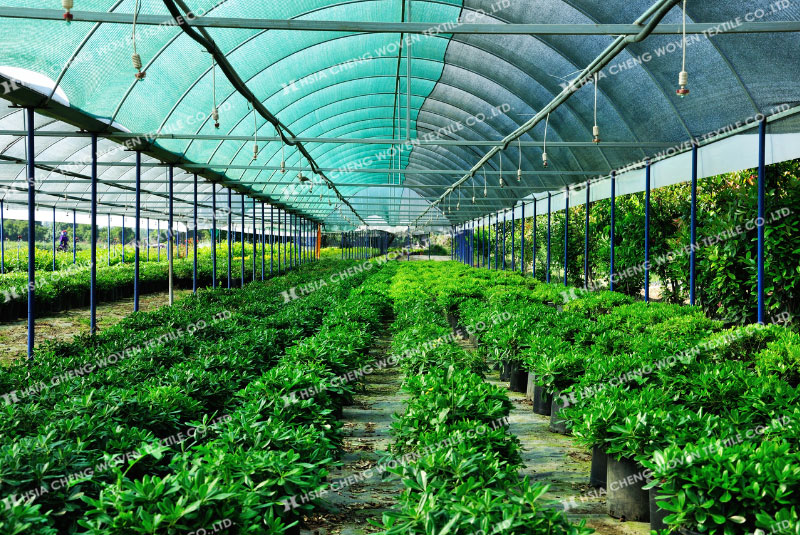
Choosing durable knitted shade cloth is not only about blocking sunlight. The right product should maintain stable shading performance, resist outdoor aging, and match the actual needs of the installation area over time. Because shade cloth is available in different shade percentages, materials, and construction types, buyers need clear selection criteria to avoid choosing products that age quickly, tear easily, or fail to provide reliable crop protection. Hsia Cheng shares 7 proven tips for choosing durable knitted shade cloth with a focus on long-term performance, material quality, and practical buying decisions.
1. Start with the Right Shade Percentage
Shade percentage is one of the first things to check when choosing durable knitted shade cloth. Common options such as 50%, 60%, 70%, and 80% determine how much sunlight reaches the growing area. Instead of choosing the highest percentage by default, it is better to match the shade level to crop sensitivity, local climate, and installation purpose. Even a durable product may perform poorly if the shading rate does not fit actual usage conditions.
Crop type can be used as a reference, but it should not be the only deciding factor. Lighter shading is often used for vegetables and seedlings, while more sensitive plants may require a higher percentage. However, final selection should still depend on actual sunlight intensity, temperature, and growing conditions rather than a fixed rule alone.
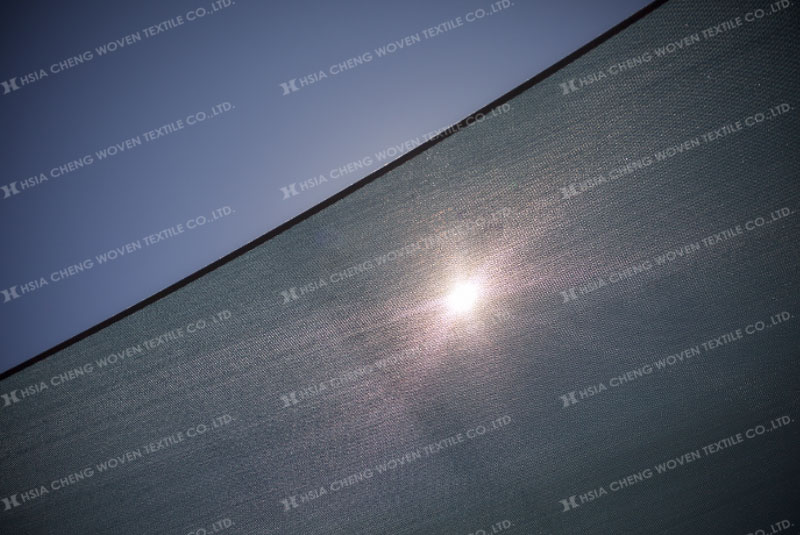
2. Prefer Knitted Structure When Flexibility Matters
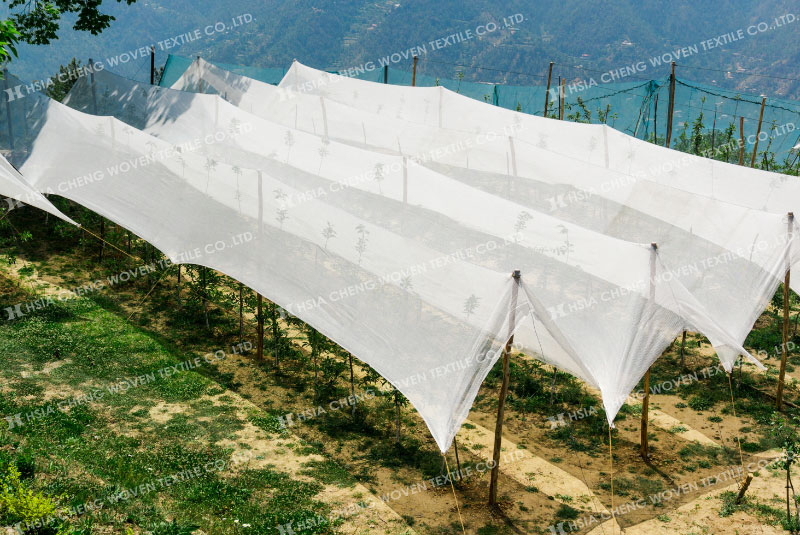
When comparing shading materials, knitted shade cloth is often preferred over woven shade cloth when flexibility and handling strength are important. Its loop-based construction allows the net to absorb tension more evenly, which helps reduce tearing risk during installation and daily outdoor use. Woven shade cloth can still be suitable for certain applications, but knitted structure is commonly chosen when easier handling and better elasticity are priorities.
3. Make Sure UV Protection Is Included
UV protection is one of the most important durability checkpoints when choosing shade cloth. Without UV stabilizers, the fibers may fade, harden, crack, or lose elasticity after prolonged sun exposure. These changes shorten product lifespan and reduce performance reliability, so UV resistance should be treated as a required feature rather than an optional upgrade.
A UV-stabilized product usually offers better structural stability and more consistent shading performance over time. In many agricultural applications, black shade netting is one of the most common choices because it is widely used for practical outdoor performance and long-term use.
4. Check Whether the Material Is Virgin HDPE
Material quality has a direct effect on durability. High-quality knitted shade cloth is commonly made from virgin HDPE because this material offers a reliable balance of strength, flexibility, and outdoor stability. If long-term use is a priority, confirming the material type early in the buying process is an important step.
5. Inspect Fiber Density and Knitting Consistency
Beyond raw material, the construction quality of the net also matters. A durable knitted shade cloth should have even fiber density, a uniform knitting pattern, and no obviously loose or weak areas. If the mesh looks thin, irregular, or poorly constructed, the product may not perform reliably even if its listed shade percentage appears suitable.
6. Select a Suitable Width to Reduce Weak Points
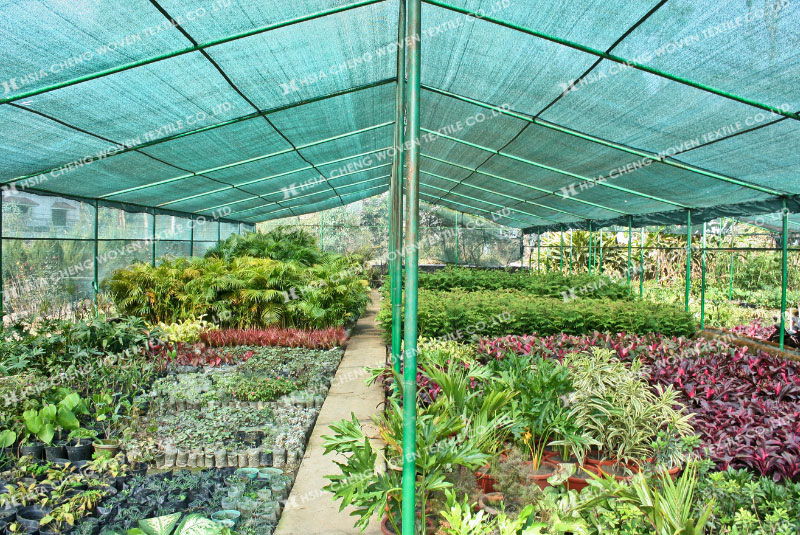
Width selection affects more than installation convenience. If the shade cloth is too narrow for the target area, extra seams and connection points may become weak spots during long-term use. Choosing a suitable width can reduce joining work, improve coverage stability, and lower the risk of tearing around stressed areas.
7. Compare Color and Supplier Reliability Carefully
Color should be considered after the more important factors such as shade percentage, material quality, and UV protection. In agricultural applications, black shade netting is one of the most common choices because it is widely used for stable shading performance and long-term outdoor use. Green shade cloth may also be selected in some cases, but color should not outweigh durability-related criteria.
Supplier reliability should also be part of the buying decision. Clear product specifications, consistent manufacturing quality, and dependable shade percentage accuracy are often better indicators than price alone. When comparing options, it is more practical to evaluate whether the supplier can provide stable standards rather than relying only on promotional claims.
How Hsia Cheng Knitted Shade Cloth Supports Long-Term Agricultural Use
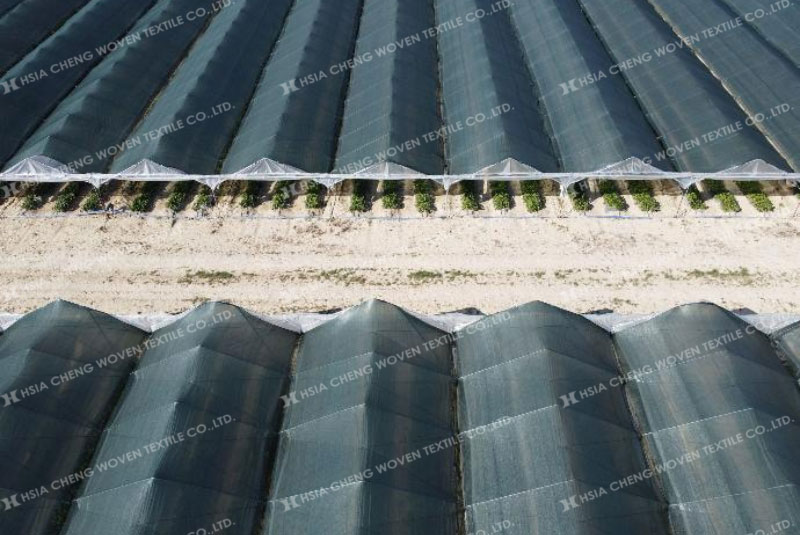
When selecting shade cloth for agricultural use, it is important to compare whether the product meets the key criteria for durability and stable performance. Hsia Cheng’s knitted shade cloth is designed to support these needs through:
- Shade percentages in multiple options for different crops and installation purposes
- Virgin HDPE raw material for dependable strength and flexibility
- UV stabilizer protection for better outdoor durability
- Stable knitting consistency to support reliable structure and shading performance
- Application suitability across agricultural growing environments
With clear product specifications and practical material standards, you can evaluate shade cloth more efficiently and choose a solution that supports long-term crop protection.
Common Buying Mistakes to Avoid
Common mistakes include choosing by price alone, overlooking UV stabilization, selecting the wrong shade percentage, and ignoring width-related seam issues. Another frequent mistake is assuming that knitted shade cloth and woven shade cloth perform the same way in every application. Avoiding these problems can reduce replacement frequency and improve long-term cost efficiency.
Common BuyiWhat to Check Before You Buy
Choosing durable knitted shade cloth becomes easier when buyers focus on the right checkpoints: shade percentage, knitted structure, virgin HDPE material, UV protection, fiber consistency, suitable width, and supplier reliability. By evaluating these factors carefully, growers can make a more practical buying decision and achieve more dependable long-term crop protection.