Sun shading for crops has become increasingly important under prolonged heat waves and extreme weather conditions that directly affect crop growth and productivity. Woven shade netting is widely used in agriculture as a practical way to manage excessive sunlight during hot periods. However, effective shading is not only about installing a net—it also depends on choosing the right woven shade cloth, selecting an appropriate shade percentage, and applying shading correctly for different crop types.
Why Is Sun Shading Necessary for Crops?
The Impact of Strong Sunlight on Crops
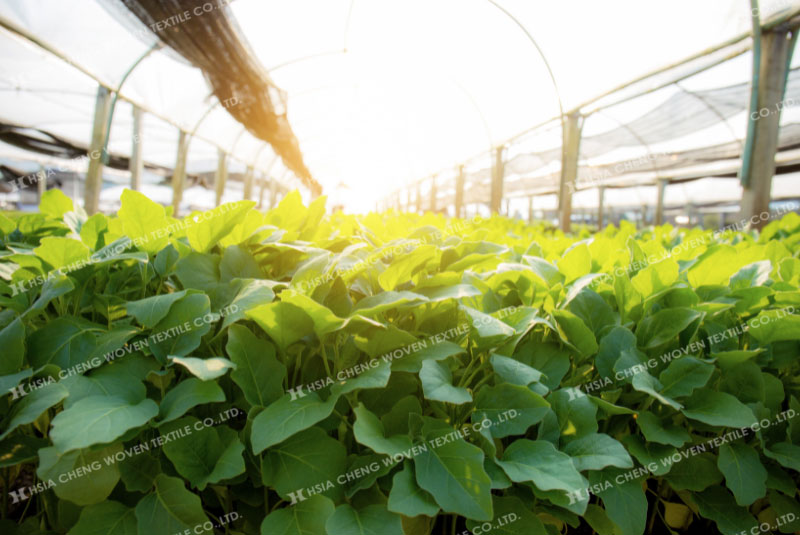
Excessive sunlight can quickly raise leaf and soil surface temperatures, increase moisture loss, and reduce normal plant performance during hot weather. When temperatures exceed crop tolerance levels, symptoms such as leaf burn, wilting, and weak growth are more likely to appear, especially during extended heat waves.
Risks of Not Shading Crops Properly
During dry seasons or early growth stages, inadequate or improper sun shading can slow plant development, increase plant mortality, and significantly reduce yields. Young plants have limited heat tolerance, making them particularly vulnerable to heat shock and physical damage.
Which Crops Are Suitable for Woven Shade Netting?
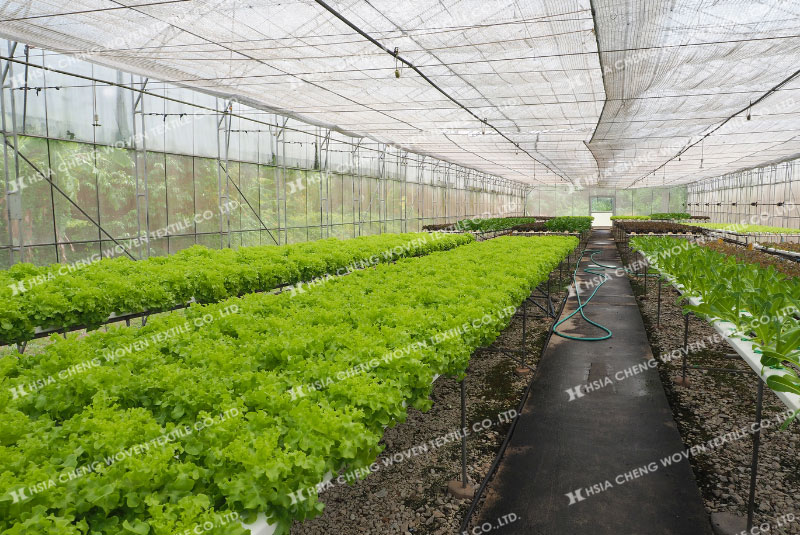
Woven shade cloth is suitable for a wide range of crops, but the best application depends on crop sensitivity to heat and light. It is commonly used for seedlings, nurseries, leafy vegetables, and certain fruit crops during sensitive growth stages. Rather than applying the same shading approach to every crop, growers should choose shading levels according to plant requirements and seasonal conditions.
What Shade Percentage Should You Choose?
Selecting the correct shade percentage is crucial for effective sun shading.
50% Shade Net
Ideal for seedlings, nurseries, or regions with moderate sunlight. This level reduces direct exposure while still allowing sufficient light for healthy growth.
50–60% Shade Net
Suitable for leafy vegetables, field crops, and most common agricultural plants. This is one of the most widely used range because it offers a practical balance between sunlight reduction and crop growth support.
70% Shade and Above
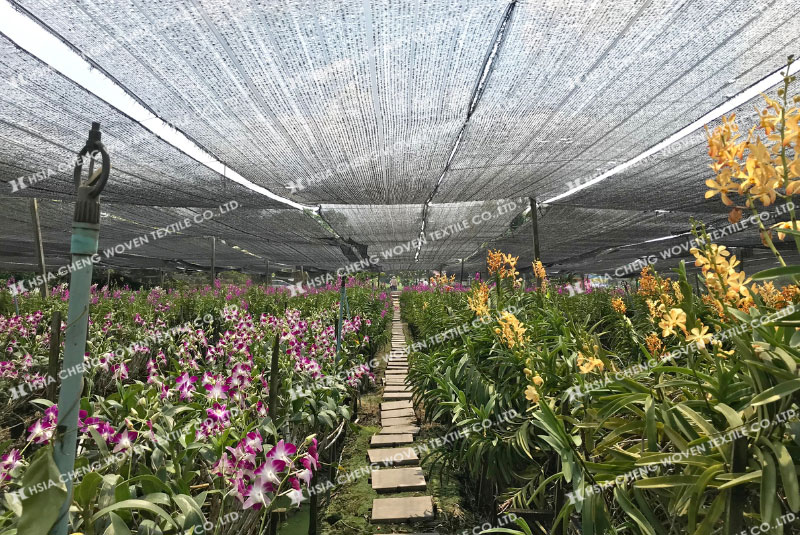
Recommended for shade-loving plants such as orchids and ornamental species, or for temporary protection during extreme heat periods. This higher level should be selected carefully according to crop light requirements and local climate conditions.
★ You May Be Interested: How Shade Cloths Protect Orchids from Heat Stress
Selecting the wrong shade percentage can slow growth and reduce photosynthesis, even when the shading material itself is high quality.
When Is the Right Time to Shade Crops?
Avoid Shading Crops All Day
A common mistake is shading crops continuously throughout the day. Plants still require sunlight for photosynthesis, so excessive shading can result in weak stems, slower growth, and pale foliage.
Suitable Shading Time During the Day
Under hot conditions, the most effective shading period is typically from 10:00 AM to 3:00 PM, when solar radiation is strongest. Shading during these hours helps prevent heat stress, leaf scorch, and excessive water loss.
Adjust Shading Time Based on Crop Type and Climate
Shading schedules should be adjusted according to crop type and local weather conditions. Seedlings, shade-loving crops, or farms in extremely hot regions may require earlier and longer shading periods. In contrast, sun-loving crops or cooler climates need shorter shading durations to maintain optimal light exposure.
Proper Installation and Use of Woven Shade Netting
Installation Height of Woven Shade Nets
Woven shade cloth should be installed at an appropriate height above the crop canopy. Installing nets too close can excess heat beneath the net, while proper spacing helps maintain airflow around the crop area.
Correct Tensioning and Fixing Techniques
Shade nets should be evenly stretched without sagging to ensure consistent shading across the cultivation area. Secure fixation prevents damage from strong winds and extends the lifespan of the netting.
Installation Position in Net Houses and Greenhouses
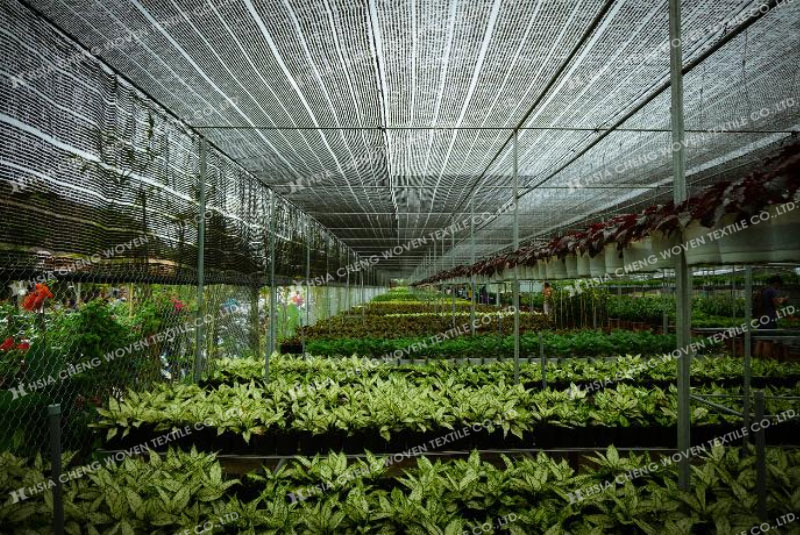
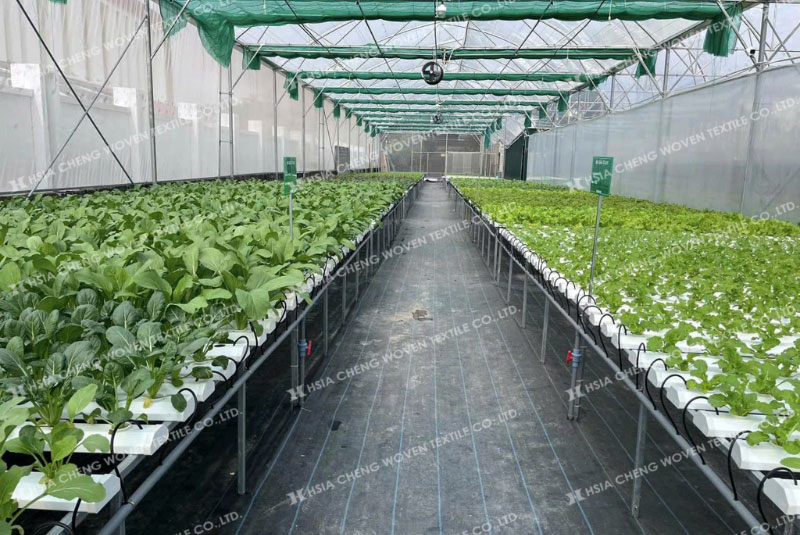
In net-house or greenhouse systems, woven shade netting is typically installed on the roof or outside the structure. This placement reduces overall temperature, minimizes direct sunlight, and creates a more stable microclimate for crops.
Common Mistakes When Using Woven Shade Nets
Using Overly Dense Shade Nets
Excessively dense shade nets restrict light penetration, limiting photosynthesis and plant growth. Such nets are only suitable for specific crops, and selecting shading levels without considering crop light requirements is a common cause of reduced growth performance.
Shading Crops All Day Long
Continuous shading prevents plants from receiving adequate sunlight, resulting in weak growth and increased disease risks due to high humidity and poor ventilation.
Choosing Low-Quality Woven Shade Nets
Low-quality woven shade netting can become brittle and tear easily under exposure to sun, rain, and wind. This reduces shading efficiency and increases maintenance and replacement costs.
How Hsia Cheng Helps Growers Choose Woven Shade Nets More Effectively
Choosing woven shade netting for crops is not only about blocking sunlight—it also involves matching the shading level to crop type, seasonal heat conditions, and cultivation structure. Hsia Cheng provides woven shade cloth solutions for agricultural use with specifications that support more practical crop shading decisions in the field.
Shade Rate Options for Different Crop Applications
Hsia Cheng offers woven shade netting in a wide range of shading levels from 50% to 90%, allowing growers to select more suitable options for seedlings, vegetables, fruit crops, nurseries, and protected cultivation systems. This makes it easier to choose a shading level according to crop sensitivity, seasonal sunlight intensity, and installation environment.
View Hsia Cheng’s Woven Shade Nets
Built for Outdoor Agricultural Use
Hsia Cheng’s woven shade cloth is made from durable HDPE material with UV stabilization for long-term outdoor use. Its woven structure is designed to provide stable shading performance in agricultural environments where sunlight exposure, weather conditions, and daily use all affect product lifespan.
Why This Matters for Crop Shading Management
With multiple shading options and durable woven construction, Hsia Cheng helps growers apply crop shading more precisely instead of relying on one standard solution for every crop or season.
Practical Results of Proper Crop Shading
When woven shade netting is selected and used appropriately, growers can reduce heat-related crop stress and improve overall management consistency during hot periods. In practice, the main value of proper shading lies in helping crops avoid excessive sunlight while maintaining conditions that support more stable growth and better production results.
Combining Woven Shade Netting with Other Cultivation Practices
Woven shade netting is often used together with other cultivation practices to improve overall field management during hot periods. Depending on the crop system, growers may combine shading with irrigation, protected structures, or ground cover materials. In this article, however, the main focus is on choosing the right woven shade netting and applying it properly for crop sun shading.
FAQ About Woven Shade Netting
What shade percentage is best for vegetables?
50–60% woven shade netting is commonly used for leafy vegetables and short-term crops because it balances sunlight reduction and healthy plant growth.
Can woven shade netting reduce temperature?
Yes. Properly installed woven shade netting helps reduce heat accumulation, lower crop canopy temperatures, and minimize heat stress during hot weather.
Is woven shade netting suitable for greenhouses?
Yes. Woven shade cloth is widely used in greenhouses and net houses to improve temperature control and reduce heat stress.
Choosing the Right Shade Net for More Stable Crop Growth
Sun shading for crops using woven shade netting is an effective and practical solution for diverse agricultural systems. By selecting the right woven shade cloth, appropriate shading percentage, and correct installation methods, growers can protect crops, increase yields, and achieve sustainable farming. For growers facing increasingly hot and unstable weather conditions, high-quality woven shade netting provides a more reliable and sustainable solution for long-term crop protection and stable production.