Ground cover, also known as weed control fabric, is widely used in modern agriculture to conserve soil moisture, suppress weeds, and create a healthier soil environment. By covering the soil surface, it helps reduce water loss, improve root-zone stability, and support better crop growth. For growers looking to improve water efficiency and maintain healthier soil conditions, ground cover is a practical and sustainable solution.
What Is Ground Cover?
Ground cover or weed control fabric is a specialized agricultural material, commonly made from PP or PE plastic. It is laid directly on the soil surface to: reduce weed growth, retain moisture, and protect the soil from direct exposure to sun, wind, and heavy rain.
Ground cover is widely used in vegetable cultivation, fruit orchards, industrial crops, greenhouses, net houses, and high-tech agriculture where soil management and weed control are important.
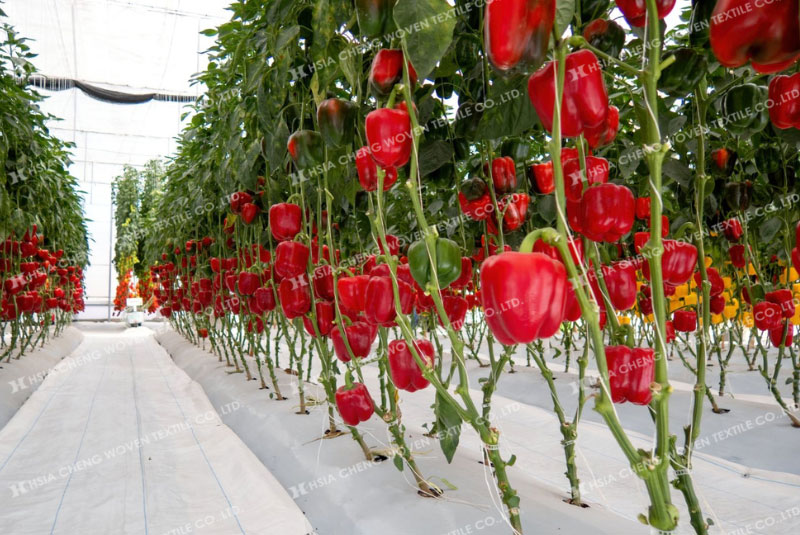
How Does Ground Cover Help Retain Moisture?
Reducing Surface Evaporation
Reducing Surface EvaporationIn open-field cultivation, bare soil easily loses moisture through evaporation, especially sandy or sandy-loam soils. When using weed control fabric:
- Ground cover creates a protective layer that prevents soil from direct exposure to sunlight and wind, significantly reducing natural water loss.
- By reducing direct exposure to sunlight and wind, ground cover helps lower soil surface temperature and minimizes moisture loss.
👉 As a result, soil moisture is maintained for longer periods, helping crops avoid water stress, particularly during the dry season.
Improving Water-Use Efficiency After Irrigation or Rainfall
After irrigation or rainfall, uncovered soil can lose water rapidly. In addition, weeds compete with crops for the same moisture, reducing the efficiency of water use.
When ground cover is used, water is retained more effectively within the root zone, reducing evaporation and minimizing moisture competition from weeds. This helps reduce water loss, extend irrigation intervals, save water and labor costs, and maintain stable soil moisture for crops.
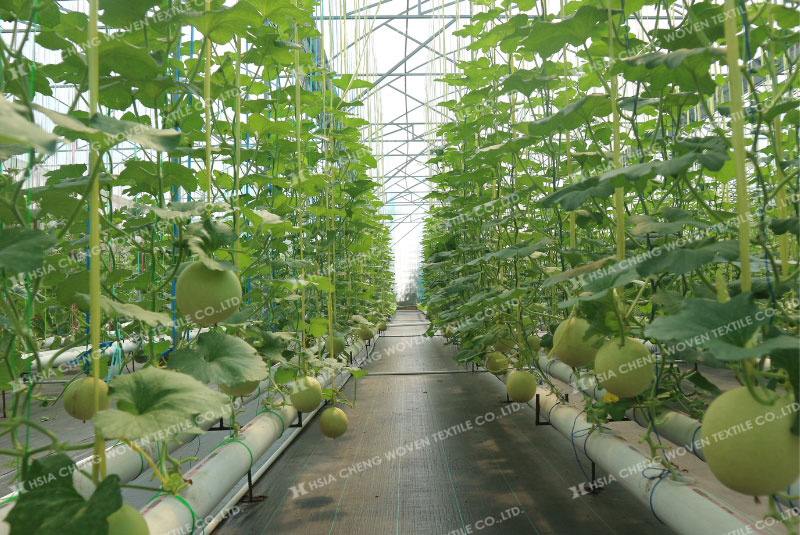
Working Well with Drip Irrigation Systems
In modern agriculture, ground cover is often combined with drip irrigation:
- Water is delivered directly beneath the ground cover
- Evaporation is significantly reduced
- Soil moisture remains consistent and evenly distributed
With well-controlled soil moisture, plant roots grow deeper and stronger. This also helps prevent localized waterlogging and reduces the risk of soil-borne diseases. The combination of ground cover and drip irrigation is especially suitable for clean vegetable farming, fruit trees, and high-tech greenhouses, optimizing cultivation efficiency and long-term cost savings.
How Does Ground Cover Improve Soil Condition?
Beyond moisture retention, ground cover helps create a more stable and productive soil environment over time.
Preserving Soil Structure and Reducing Erosion
Bare soil is more vulnerable to erosion caused by heavy rain, irrigation impact, and environmental exposure. When the soil surface is disturbed repeatedly, valuable topsoil and nutrients can be lost.
Ground cover helps shield the soil surface, reducing the direct impact of rain and helping preserve soil structure. This is especially beneficial in sloped fields, orchards, coffee plantations, and pepper farms, where erosion can reduce long-term soil productivity.
Stabilizing Soil Temperature
Sudden fluctuations in soil temperature can affect root activity and reduce the efficiency of nutrient uptake. Excessive daytime heat can also create stress in the root zone.
Ground cover helps moderate these temperature changes by reducing direct soil exposure to sunlight during the day and helping maintain a more stable soil environment overall. More stable soil temperatures support healthier root growth and better crop performance.
Supporting Beneficial Soil Microorganisms
Healthy soil depends on active beneficial microorganisms that help break down organic matter and support nutrient cycling. These microorganisms perform best in a more stable soil environment.
Because ground cover helps conserve moisture, reduce surface disturbance, and moderate soil conditions, it can support a more favorable habitat for beneficial soil life. This contributes to improved soil vitality and healthier long-term growing conditions.
Reducing Dependence on Herbicides
Weeds compete with crops for water, nutrients, and space. In many systems, herbicides are used repeatedly to manage this pressure, which may increase production costs and raise concerns about soil health and environmental impact.
Ground cover helps suppress weeds naturally by blocking sunlight from reaching the soil surface. As weed pressure decreases, growers may reduce their dependence on herbicides, supporting cleaner and more sustainable cultivation practices.
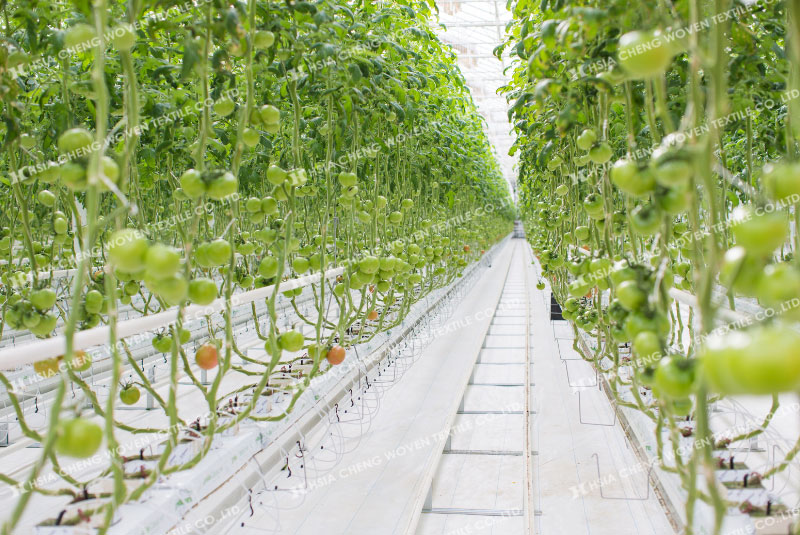
Practical Results from Using Ground Cover
In actual farming applications, ground cover can provide several practical benefits:
- Better soil moisture retention
- Reduced weed competition
- More stable root-zone conditions
- Lower weeding labor requirements
- More uniform crop growth
- Improved crop quality and production consistency
These benefits make ground cover suitable for vegetables, flowers, fruit trees, coffee, pepper, medicinal plants, and other crops that require cleaner and more efficient field management.
Effective Moisture Retention and Soil Improvement with Our Ground Cover
Durable and safe materials
Our ground cover is made from high-quality HDPE material with UV resistance, ensuring long-term durability across multiple growing seasons. It does not release harmful chemicals, making it safe for crops, soil, and users.
Excellent Durability
Our ground cover offers excellent strength and tear resistance, reducing replacement frequency and saving labor and costs while maintaining consistent soil protection throughout the growing season.
Flexible applications
Our weed control fabric is suitable for a wide range of crops and farming systems, including vegetables, flowers, fruit trees, coffee, pepper, medicinal plants, and high-tech greenhouse flooring. It can be easily cut and perforated to match planting requirements and integrates well with drip irrigation or mist systems.
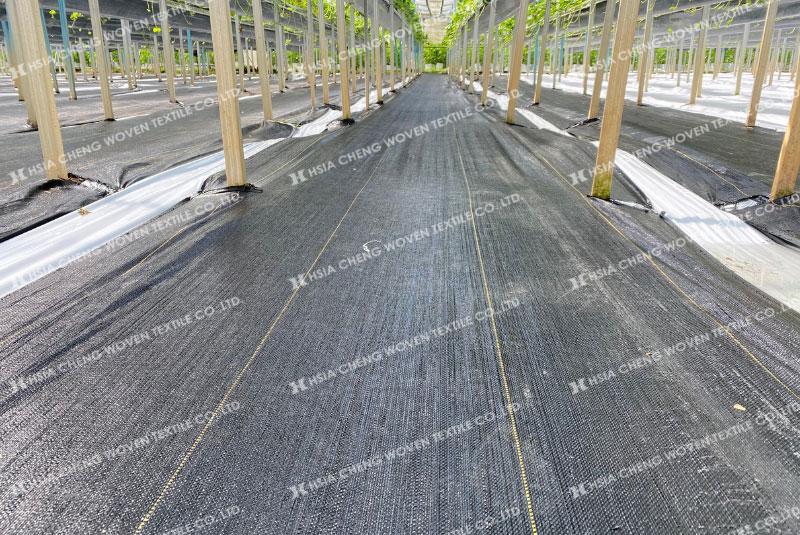
Ground Cover as a Sustainable Farming Solution
For growers seeking better water management and healthier soil conditions, ground cover offers more than simple weed control. It helps conserve moisture, protect soil structure, create a more balanced root-zone environment, and support more efficient cultivation practices.
As agriculture continues to focus on sustainability and input efficiency, ground cover remains an effective tool for improving both crop management and long-term soil health.
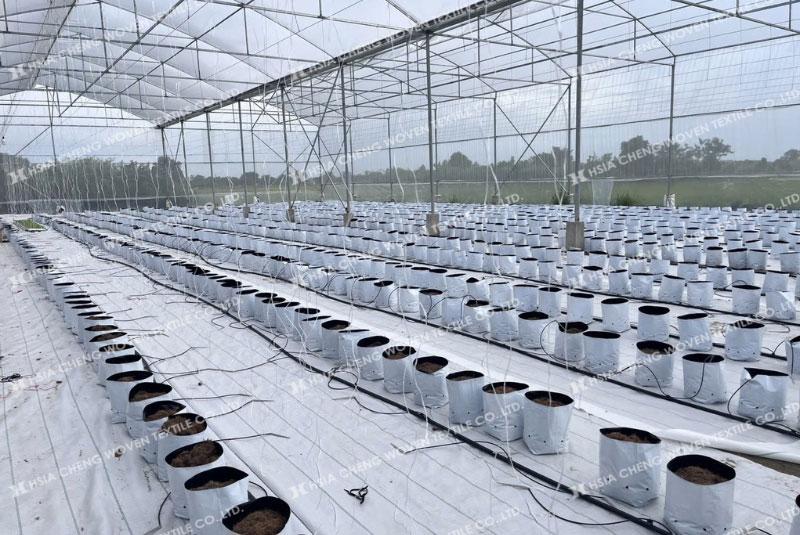
Improve Soil Conditions with the Right Ground Cover
Ground cover is not only a weed suppression solution, but also an important tool for moisture conservation and soil improvement. By helping reduce evaporation, protect soil structure, stabilize root-zone conditions, and lower weed pressure, it supports healthier crop development and more sustainable agricultural production.
If you are looking for a practical way to improve soil moisture management and cultivation efficiency, our ground cover is a reliable solution for a wide range of farming applications. Contact us!