Ground cover is widely used in greenhouses and growing tunnels to prevent weeds, keep the greenhouse floor clean, reduce pests, and create a clean and well-managed cultivation environment. However, many people face the issue of the cover deteriorating quickly, with a short lifespan, leading to high replacement costs.
In many cases, the problem is not only the product itself, but also the wrong material choice, poor ground preparation, and incorrect installation. Understanding these factors can help extend the lifespan of anti weed fabric and improve long-term value.
Why Does Ground Cover Deteriorate Quickly?
- Laying the cover directly on untreated soil
Sharp stones, roots, or uneven ground create pressure when walking or placing pots, causing fibers to wear out and the cover to tear. Preparing the soil properly before installation helps reduce early tearing and improve durability. - Water pooling on the cover for long periods
Standing water creates a damp environment that can accelerate material deterioration and encourage mold growth. Good drainage and a slight floor slope help keep the cover drier and more effective over time. - Loose fixation of the cover
Loosely fixed cover also deteriorates faster. When the wind blows or there is pulling force, the edges can lift, stretch, or tear early. This increases the risk of tearing. Using pins, clips, or buried edges helps keep the cover stable. - Choosing the wrong type of cover
Thin or non-UV-resistant covers can become brittle and tear quickly under sunlight, heat, and foot traffic. Choosing a more durable material is essential for long-term greenhouse use.
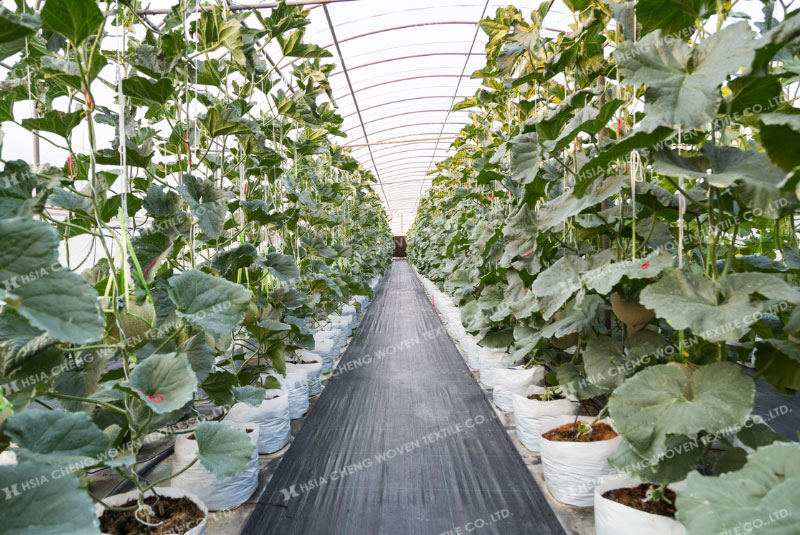
How Long Does Anti-Weed Fabric Last in Greenhouses?
With proper selection, ground preparation, and correct installation, ground cover can last up to 7 years or longer in low-traffic, well-maintained conditions. Investing in proper techniques from the start prolongs cover life, saves costs, and enhances production efficiency.
Choosing the Right Greenhouse Ground Cover
The lifespan of greenhouse floor cover depends heavily on material selection. For long-term use, choose woven ground cover made from durable material with good drainage and strong tear resistance.
UV resistance is also essential in greenhouses, where fabric is exposed to heat and sunlight for long periods. Covers with UV additives are less likely to become brittle or crack over time. In contrast, thin plastic sheets or low-cost non-woven covers often tear easily, drain poorly, and wear out quickly under humid conditions and frequent use.
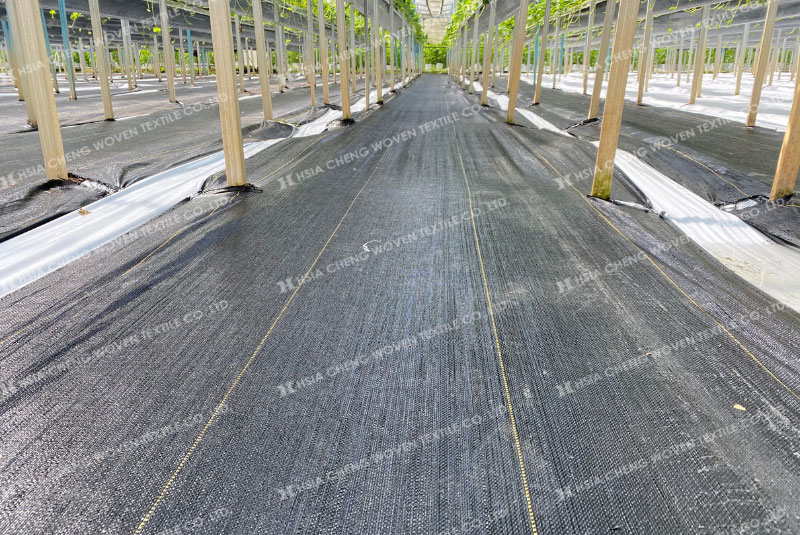
Prepare the Ground Carefully Before Laying the Cover
- Level and clean the greenhouse floor
Before laying the cover, it is important to level and clean the greenhouse floor. Remove all sharp stones, roots, and leftover debris to prevent tearing or fiber wear. A clean and flat floor ensures the cover lays evenly, reducing pressure on high or low points. It directly affects the durability of the greenhouse floor cover and helps control weeds and pests. - Lightly compact the soil to prevent uneven settling
After leveling, lightly compact the soil to prevent uneven settling during use. Proper compaction helps the cover lay flat, withstand pressure, and maintain weed prevention effectiveness. - Create a slight slope for water drainage
Greenhouse floors should have a slight slope to allow rainwater and irrigation water to drain quickly, avoiding pooling on the cover. Standing water causes dampness, mold, and faster cover degradation. Proper slope ensures good drainage, keeps the floor dry, maintains weed prevention, and reduces pest risk.
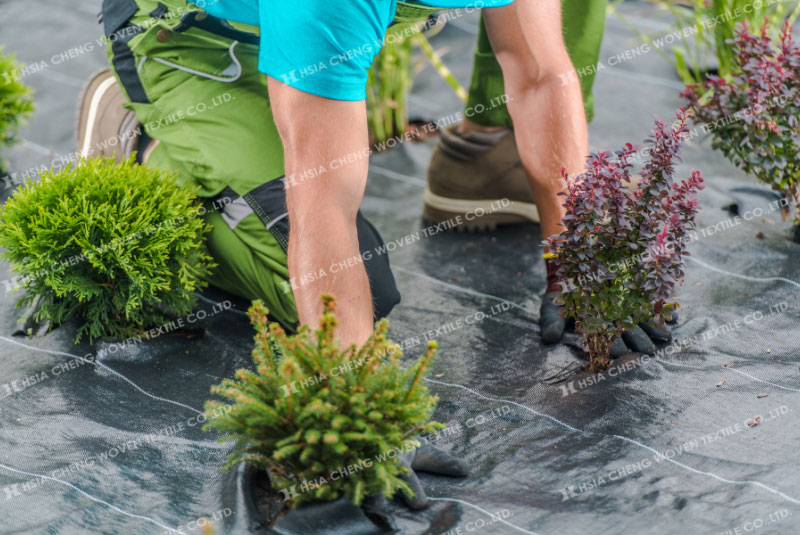
Lay the Cover Correctly
Lay along the length of the greenhouse
Installing the cover lengthwise helps reduce the number of seams and lowers the risk of exposed soil or tearing. Fewer joints usually mean better long-term durability.
Join covers correctly
If multiple sheets are needed, overlap the edges by 10–15 cm. Secure the overlap with pins or clips to prevent shifting caused by wind or foot traffic.
Lay flat without overstretching
Lay the cover flat with a slight natural slack. Avoid overstretching, which increases stress and risk of tearing. A flat, slightly slack cover also makes plant arrangement and greenhouse walking easier.
Secure the Cover to Increase Durability
Use pins and clips
After laying the cover, securing it properly is crucial. Use U-shaped pins, metal pins, or clips every 50–70cm depending on area size. Correct fixation prevents shifting or wind damage, keeps the cover flat, and reduces tearing risk.
Bury the cover edges into the ground
For better stability, bury the edges in a shallow trench around the greenhouse. This helps prevent wind lifting and reduces stress on the material.
Cut or punch planting holes carefully
If planting holes are needed, cut them neatly with a sharp knife, scissors, or a suitable hole punch. Small X-shaped or round holes are usually best. Avoid making holes larger than necessary, as rough or oversized cuts can lead to fraying, tearing, and reduced weed control over time.
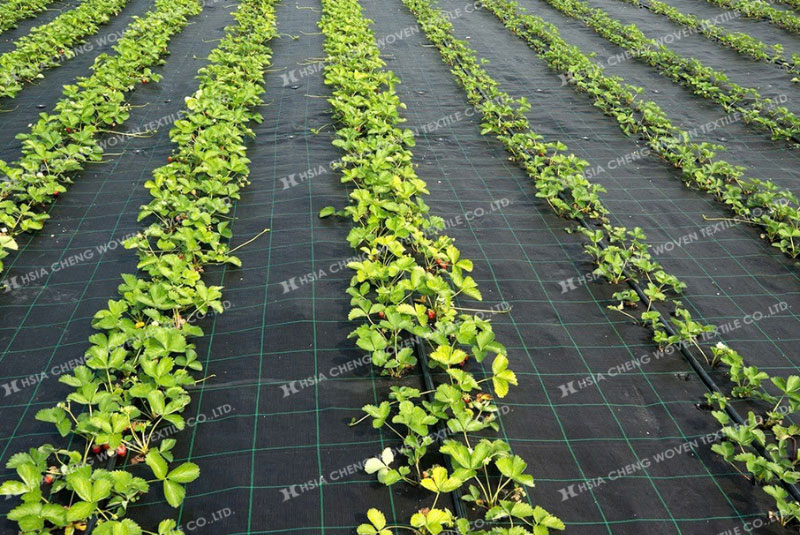
Daily Wear and Damage
- Avoid dragging heavy objects directly on the cover
-
Designate walkways or protective mats
For high-traffic greenhouses, create designated walkways or add plastic/rubber mats in frequently used areas. This protects the cover from direct force, reduces wear, and prevents tear spreading. Walkways also keep the greenhouse clean, avoiding soil and water damage.
Do not drag pots, carts, or equipment directly across the cover. Repeated friction can damage the woven structure and shorten its lifespan.
Regular Cleaning and Maintenance
- Clean the greenhouse floor regularly
-
Check pins, seams, and cuts
Regularly inspect pins, seams, and cut holes. Repairing small tears early can prevent larger damage and extend service life.
To prolong ground cover life, clean soil, leaves, and debris regularly. This keeps the cover dry, clean, and maintains weed prevention and drainage. Avoid prolonged mold growth on the cover, which causes fiber decay and reduces long-term performance.
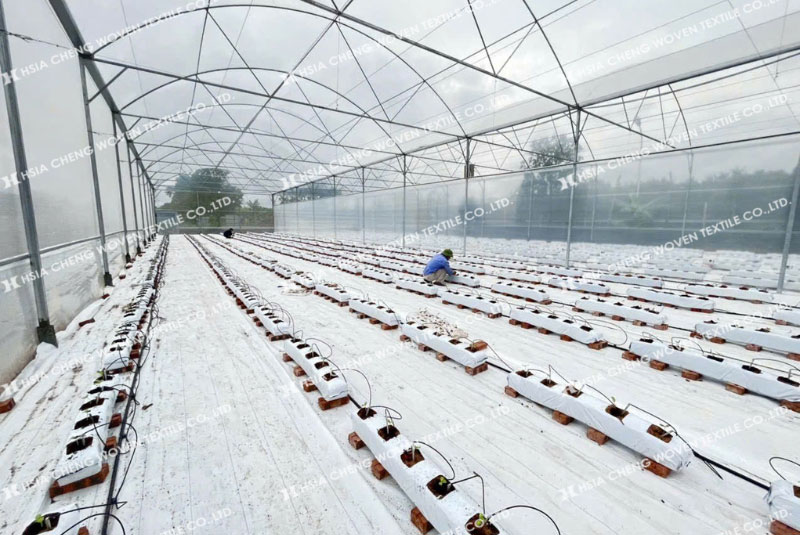
After understanding the main causes of early damage, the next step is choosing a greenhouse ground cover with the right material and performance features. A suitable product can make installation more effective and improve long-term durability.
Recommended Features for Long-Lasting Ground Cover
- Durable Material
Our ground cover is made from durable virgin HDPE material, tightly woven for greenhouse and high-tech agriculture applications. It prevents weeds, keeps the floor clean, and enhances long-term durability. - Efficient Drainage and Weed Prevention
The woven structure of our ground cover allows water to quickly pass through to the soil without pooling on the surface while blocking sunlight to prevent weed growth. - Mold Reduction and Dry Floor Maintenance
Good drainage prevents mold and dampness, keeping the floor clean and dry, reducing pest and fungal risks, especially for vegetable and flower cultivation. - UV Resistance for Long-Term Durability
Our anti weed fabric contains high-quality UV additives, preventing rapid aging under sunlight and heat. This keeps the cover from becoming brittle, cracking, or tearing. - Long Service Life
When installed and used correctly, our ground cover lasts 7–10 years, even longer in low-traffic areas. It saves replacement costs and ensures long-term effectiveness. - Common applications
- Greenhouses for clean vegetables and hydroponics
- Tunnels for flowers, ornamental plants, and potted plants
- Walkways in greenhouses or tunnels
- High-tech agricultural farms
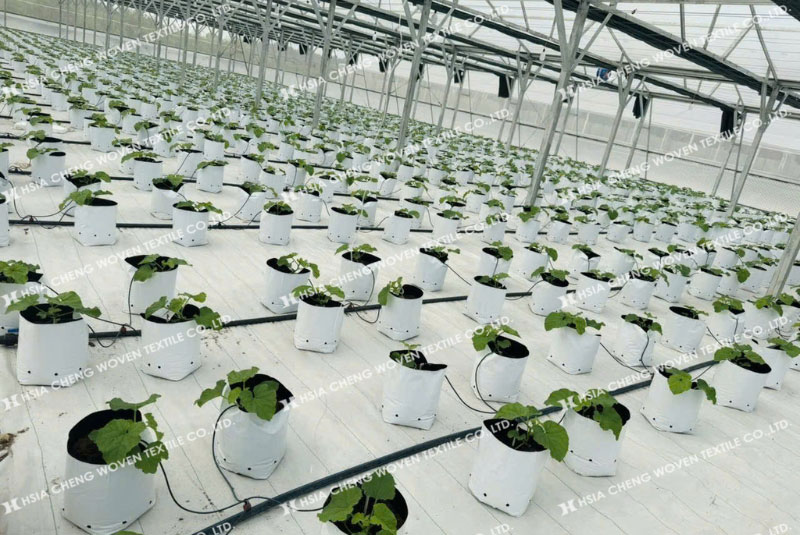
Choosing the Right Ground Cover for Long-Term Performance
A durable greenhouse’s anti weed fabric depends not only on quality but also on installation and daily use.Choosing the right cover, preparing the floor carefully, and ensuring proper installation and maintenance help reduce tearing, prevent early deterioration, and improve long-term durability.
For high-quality, durable, and affordable greenhouse floor cover, or advice on choosing the right cover for your setup, our ground cover is the ideal choice. Contact us for more!