Choosing the right insect netting mesh size starts with understanding two things: the size of the target pest and the growing conditions required by the crop. A mesh that is too open may fail to block small insects, while a mesh that is too dense can reduce airflow and affect temperature and humidity inside the growing area. For this reason, the best insect proof netting is not defined by the highest mesh count, but by how well it matches the crop, pest pressure, and cultivation system.
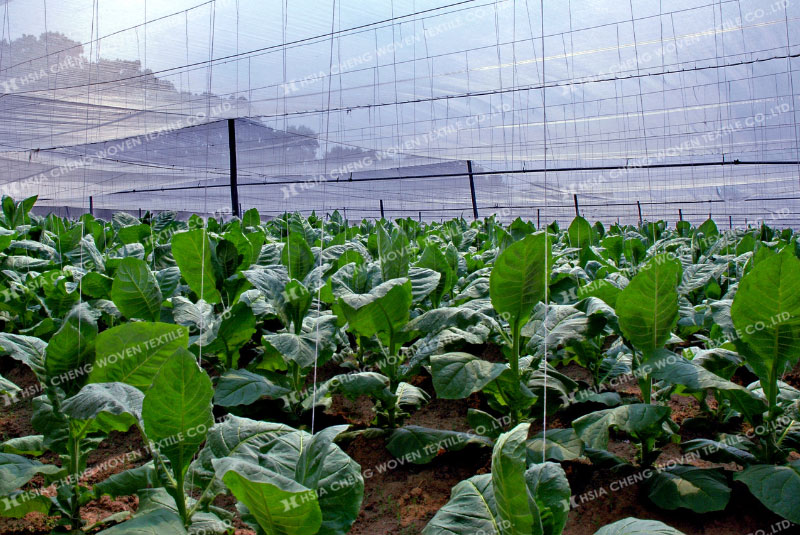
Why Mesh Size Is Important in Crop Protection
Mesh size determines the size of the openings in insect netting and directly affects how well the net can block pests. In general, a higher mesh number means smaller openings and stronger protection against tiny insects.
However, crop protection is not the only factor to consider. Different crops respond differently to heat, humidity, and airflow conditions. A mesh that blocks insects effectively may still create growing problems if it restricts ventilation too much. For this reason, mesh selection should always balance pest exclusion with crop growing conditions.
What Mesh Size Means
Mesh size refers to the number of openings per linear inch. This is a standard way to describe how fine or open an agricultural insect net is.
In practical use:
- 16–24 mesh is more open and allows stronger airflow
- 32–40 mesh offers a balance between pest exclusion and ventilation
- 50 mesh is used when very small insects such as thrips are a major concern
The correct choice depends on which pests need to be blocked and how sensitive the crop is to reduced airflow.
Recommended Mesh Size for Different Crops
Mesh selection becomes easier when crop type and pest pressure are considered together. Some crops mainly need protection from larger insects, while others are more vulnerable to small pests and require finer netting.
The table below gives a practical starting point for choosing insect netting mesh size by crop type.
| Crop Type |
Common Pest Concern |
Recommended Mesh Size | Main Reason |
| Leafy vegetables |
aphids, flea beetles, leafhoppers |
32–40 mesh | helps protect tender leaves while keeping ventilation at a workable level |
| Cabbage and brassicas | caterpillars, aphids, moth-related pests | 32–40 mesh | supports cleaner leaves and lower pest damage |
| Fruiting vegetables | whiteflies, fruit flies, aphids, thrips | 40–50 mesh | stronger exclusion is often needed during flowering and fruit development |
| Seedlings and nurseries | thrips, aphids, small flies | 40–50 mesh | young plants are highly vulnerable to early pest attacks |
| Flowers and ornamentals | thrips, aphids, leafminers | 40–50 mesh | appearance quality requires more precise pest prevention |
| Areas with low pest pressure | larger insects | 16–24 mesh | airflow may be prioritized when small-pest risk is lower |
The final choice should still reflect local climate, seasonal pest pressure, and the structure where the net will be installed.
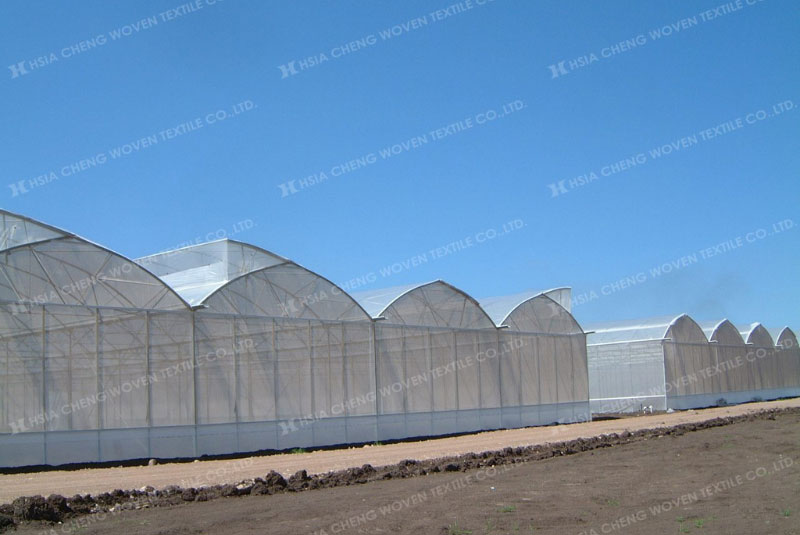
How to Compare Common Mesh Ranges
Choosing the right mesh size becomes more practical when each range is understood in terms of both pest protection and growing conditions.
16–24 Mesh
This range is suitable when ventilation is a higher priority and the main concern is larger insects. It is often used where heat buildup is a greater risk than fine-pest invasion. However, it may not provide enough protection against smaller insects.
32–40 Mesh
This is one of the most widely used ranges in agricultural insect netting. It offers a practical balance between protection and airflow, making it suitable for many vegetable crops grown in net houses or greenhouse systems.
50 Mesh
This finer mesh is more suitable for crops that need protection from very small insects, especially thrips. It provides stronger exclusion, but it should be used with attention to ventilation design to avoid excessive heat or humidity buildup.
Key Factors That Affect Mesh Size Selection
The same crop may not always require the same mesh size in every growing environment. Several factors influence the final decision.
Pest Size
The smallest target pest is usually the first factor to consider. If the main pest is very small, a finer mesh is necessary.
Crop Sensitivity
Some crops tolerate warmer or more humid conditions better than others. Crops that are sensitive to heat stress may require a more careful balance between insect protection and airflow.
Growing Structure
Mesh performance is closely related to the cultivation structure. In greenhouses, net houses, and nursery systems, ventilation design affects whether a finer mesh can perform well without harming plant growth conditions.
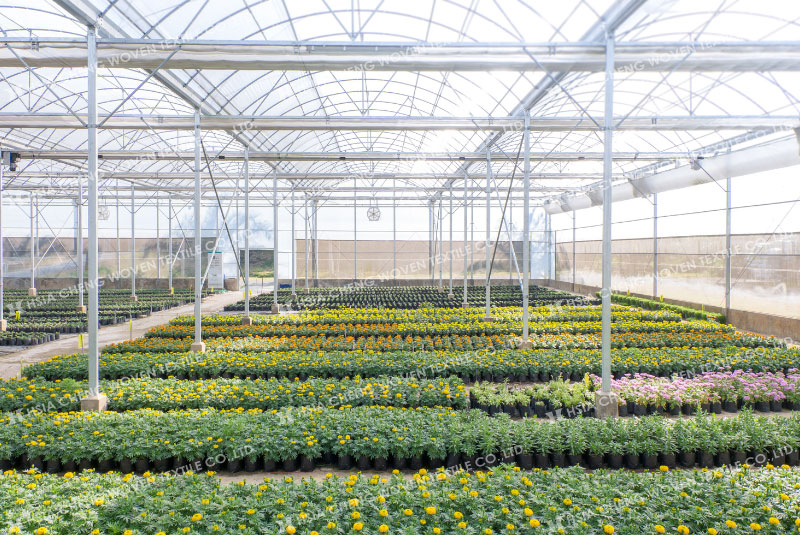
Common Mesh Selection Mistakes
Choosing insect netting based only on a higher mesh number can lead to poor results. A finer mesh is not always better if it creates unnecessary climate stress inside the growing area.
Another common mistake is ignoring the relationship between crop type and pest type. A suitable mesh for leafy vegetables may not be the best option for seedlings or flowering crops.
It is also important not to overlook installation conditions. Even the correct mesh size may fail to perform well if the net is not properly fitted or if entry points are left exposed.
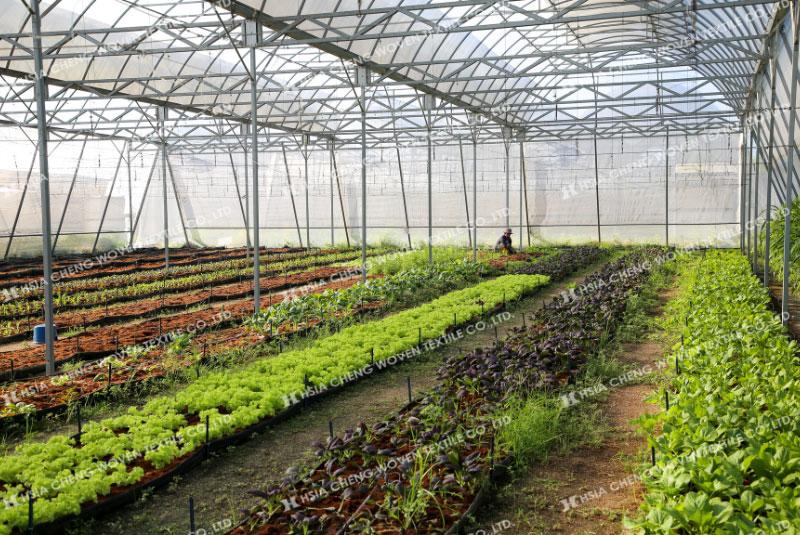
Hsia Cheng Insect Netting Options for Different Crop Needs
A good mesh size decision should also be supported by reliable material quality. In agricultural use, insect netting must maintain stable mesh structure, outdoor durability, and practical performance over time.
Hsia Cheng’s Anti Insect Net is made from durable virgin HDPE material and is available in multiple mesh sizes from 16 mesh to 50 mesh. This allows different crops and cultivation systems to use a more suitable level of insect protection without relying on a one-size-fits-all approach.
It can be applied in net houses, greenhouses, and nursery environments, where crop protection and ventilation both need to be considered during mesh selection.
Choosing a Mesh Size That Fits the Crop
The right insect netting mesh size depends on more than insect exclusion alone. A suitable choice should match the crop, the target pest, and the conditions inside the growing structure. When mesh size is selected carefully, insect proof netting can help improve crop protection while maintaining a healthier cultivation environment.
For crops with broader ventilation needs, a more open mesh may be sufficient. For crops exposed to smaller pests, finer mesh may offer better protection. The most effective result comes from matching the mesh size to actual growing conditions rather than choosing the densest option by default.
To compare available mesh specifications for different agricultural applications, Contact Hsia Cheng.