In high-tech agriculture, effective pest control is essential for maintaining crop quality, yield, and production efficiency. As growers seek to reduce pesticide use and support more sustainable farming practices, insect netting has become a practical solution for protected cultivation.
So why is insect netting essential in high-tech agriculture? Hsia Cheng will help you clearly understand the role, benefits, and applications of insect netting in modern agricultural production.
What High-Tech Agriculture Requires
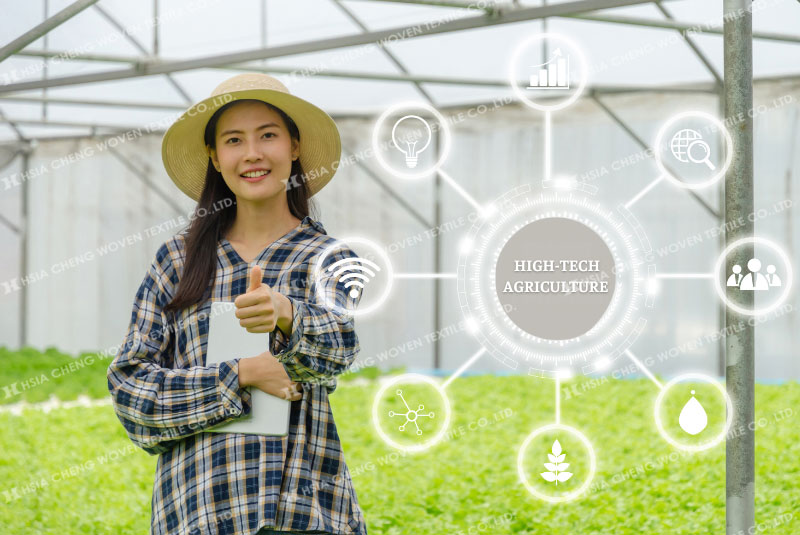
High-tech agriculture refers to farming systems that use advanced facilities and management technologies to improve production efficiency and crop quality. These systems often include:
- Greenhouses and net houses
- Drip irrigation and automated irrigation systems
- Environmental monitoring and climate control systems
In many cases, growers also aim to align their production with food safety and certification standards such as VietGAP, GlobalGAP, or organic farming requirements. In this context, effective insect control is an important part of maintaining stable and efficient production.
Why Pest Control Is a Critical Issue
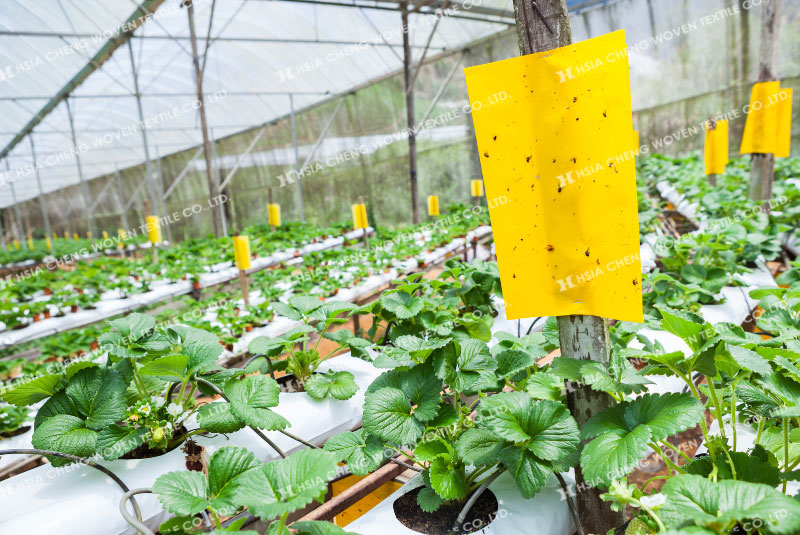
Common agricultural pests can have a direct impact on crop quality, yield, and production stability. In protected cultivation, pests such as the following are especially concerning:
- Fruit flies
- Thrips
- Green caterpillars
- Leafhoppers and aphids
- Mosquitoes and other disease-carrying insects
When pest pressure is not well controlled, growers may face crop damage, disease spread, higher pesticide costs, and greater difficulty meeting clean production or export requirements.
For this reason, pest exclusion is an important part of high-tech agriculture.
What Is Insect Netting?
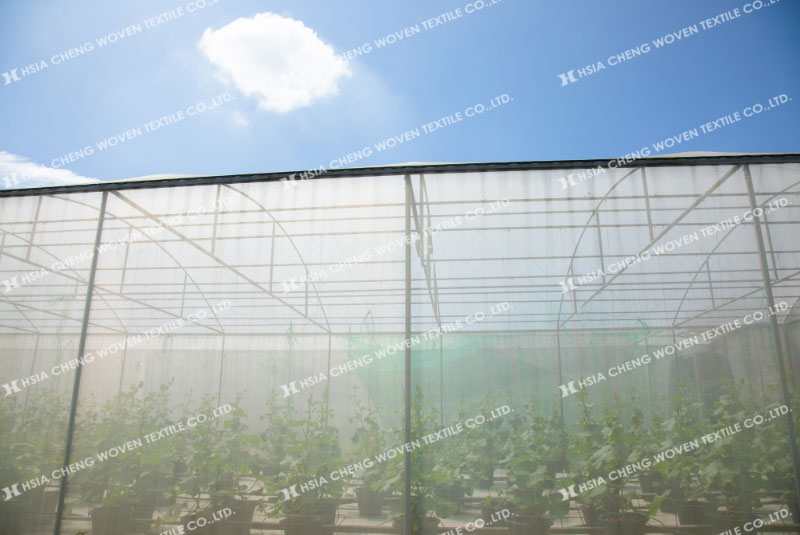
Insect netting is a specialized type of net made from PP and PE plastic fibers with high durability and resistance to sunlight and harsh weather conditions. With small, uniform mesh sizes, insect nets are designed for high-tech agricultural models, greenhouses, and net houses for clean vegetable cultivation. Anri insect netting is a protective agricultural net designed to help keep harmful insects out of cultivation areas while still allowing airflow and light transmission.
Thereby creating a clean, controlled, and safe cultivation environment for crops. With fine and uniform mesh openings, it is commonly used in greenhouses, net houses, and other protected cultivation systems to support cleaner and more controlled crop production.
Key Benefits of Insect Netting in High-Tech Agriculture
Physical Pest Exclusion
Insect netting acts as a physical barrier that helps prevent pests from entering cultivation areas in the first place. By reducing insect intrusion, it can help limit pest outbreaks and lower the risk of disease spread in greenhouses and other protected growing environments. This preventive approach is especially valuable in high-tech agriculture, where stable crop protection is essential.
Reducing Dependence on Pesticides
One major advantage of insect netting is that it helps reduce dependence on chemical pesticides. By lowering pest pressure in cultivation areas, growers can reduce spraying frequency, limit pesticide residues, and support cleaner production practices. This is especially valuable for farms that aim to improve food safety or align with certified farming standards.
Support for Clean Production and Export Standards
Many export markets, including the EU, Japan, South Korea, and the United States, have strict requirements for pesticide residue management and pest control practices.
To meet these standards, safe and effective pest control solutions are essential. Using insect netting in greenhouses and net houses is one of the most highly recommended methods, helping prevent insect intrusion, limit pest outbreaks, reduce pesticide use, and ensure agricultural products meet export standards—while enhancing efficiency and sustainability.
Stable Crop Protection and Uniform Growth
Effective insect control helps reduce crop stress and supports more uniform plant development throughout the production cycle. This is especially important in leafy vegetable cultivation, fruit and vegetable farming, and larger-scale production systems where consistency in growth, appearance, and yield directly affects product quality and market value.
Optimizing Investment Efficiency in Greenhouses and Net Houses
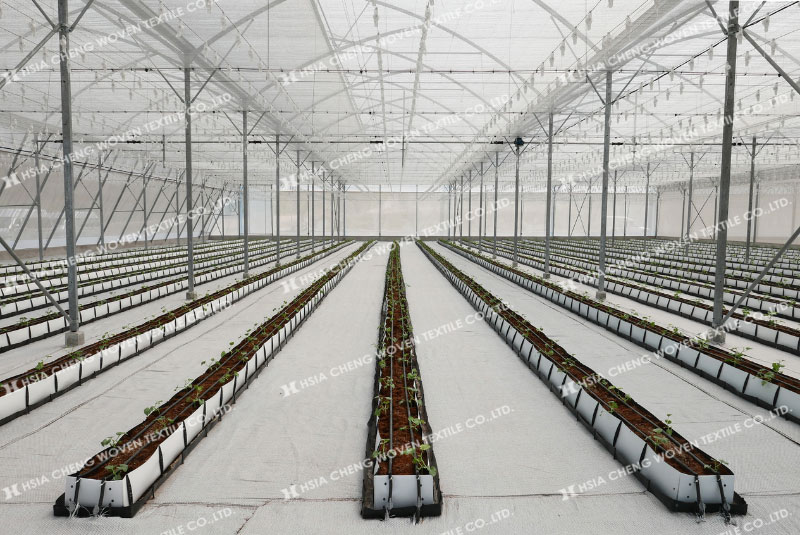
High-tech cultivation systems often require substantial investment in facilities, irrigation equipment, and crop management. If pest problems are not effectively controlled, they can lead to crop loss, higher recovery costs, and lower overall return on investment. In this context, insect netting helps support production stability and more cost-effective long-term operations.
Contributing to Sustainable Agricultural Development
Insect netting can also support more sustainable farming practices by helping reduce chemical use and its environmental impact. When pesticide spraying is lowered, farms may better protect surrounding soil, water, and ecosystems while also reducing the long-term risk of pesticide resistance.
Practical Applications of Insect Netting in High-Tech Agriculture
Greenhouses
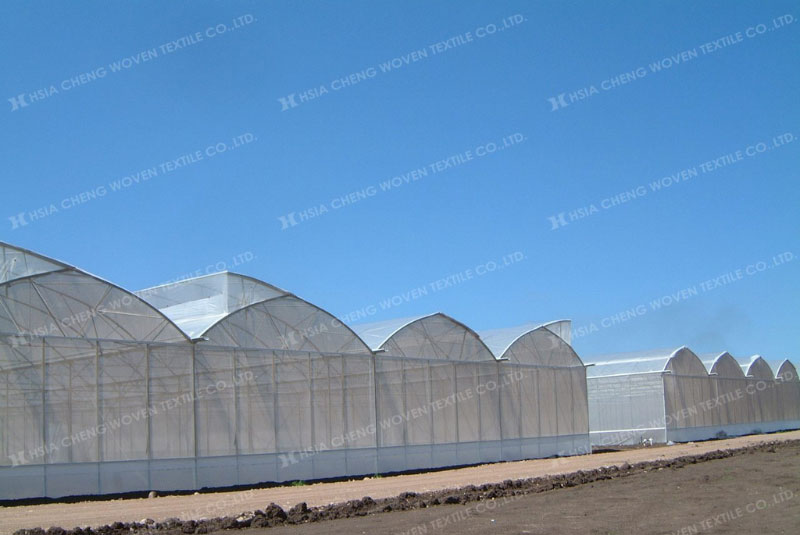
In greenhouses for vegetable cultivation, insect netting is commonly used to reduce pest intrusion while maintaining airflow and light transmission. This helps growers manage a more controlled environment for crop production.
Net Houses
In net houses used for leafy vegetables, onions, and chili peppers, insect netting helps reduce pest damage that can affect crop appearance, growth, and market value. It also supports better airflow in protected cultivation settings.
Seedling Nurseries
Seedlings are vulnerable to insect attacks. Insect netting creates an active protective barrier, preventing pests and limiting disease spread from outside environments. As a result, seedlings grow healthier and more uniformly, reducing losses and improving investment efficiency.
Organic Farming Models
In organic farming systems, insect netting is a useful physical pest control measure because it helps reduce reliance on chemical treatments and supports protected cultivation practices.
Hsia Cheng Insect Netting for High-Tech Agriculture
Choosing the right insect netting requires more than simply selecting a fine mesh. Growers should consider mesh size based on the target pest, material durability for greenhouse or outdoor use, ventilation and light transmission performance, and compatibility with the cultivation model. These factors all affect pest exclusion performance and long-term usability.
With these considerations in mind, Hsia Cheng provides insect netting solutions designed for modern agricultural applications.
High-Quality Materials
Our anti insect net is made from high-quality virgin HDPE materials that withstand sunlight, rain, wind, and harsh environments. The material resists tearing, shrinking, and fading over time, ensuring long-term use. Its durability helps farmers save on replacement and maintenance costs. Additionally, the material is safe and non-toxic, suitable for clean and organic farming models, ensuring crops grow in a safe and sustainable environment.
Ultra-Fine Mesh for Effective Insect Prevention
Our insect netting is designed with a uniform ultra-fine mesh that blocks all major pests such as fruit flies, thrips, caterpillars, aphids, and mosquitoes. This design creates an active protective barrier while maintaining light transmission and airflow, allowing crops to grow steadily. As a result, farmers can reduce pesticide spraying, limit chemical residues, comply with GlobalGAP standards, and improve both yield and crop quality.
Excellent Ventilation and Light Transmission
Our insect netting is designed to provide efficient ventilation and light transmission, allowing natural light to pass through while maintaining proper airflow. This is especially important in greenhouses and net houses, where crops require balanced light and humidity for optimal growth. Good ventilation helps prevent excessive heat and moisture buildup, creating an ideal growing environment and maintaining consistent productivity and crop quality.
Easy Installation and Maintenance
Our anti insect net is lightweight, flexible, and easy to install, making it suitable for all types of greenhouses, net houses, and nurseries. Quick installation saves time and labor, while easy removal allows for cleaning and maintenance. The net is resistant to dust and mold, ensuring a long service life and helping farmers optimize operating costs and protect their investment.
Learn More about Our Anti Insect Netting Solutions
Suitable for Clean Agriculture and Export
Our insect netting fully meets the requirements of organic farming, VietGAP, and GlobalGAP by preventing insect intrusion without pesticides. It supports stable crop growth, high-quality produce, and consumer safety, while complying with strict export markets such as the EU, Japan, South Korea, and the United States. Using our anti insect net increases product value, improves economic efficiency, and supports sustainable development in high-tech agriculture.
A Practical Solution for Modern Crop Protection
Insect netting plays an important role in high-tech agriculture by helping growers improve pest control, reduce pesticide dependence, and support more stable crop production. For greenhouses, nurseries, and other protected cultivation systems, it is a practical solution for farms that aim to improve quality, safety, and long-term production efficiency.
If you are evaluating insect netting for your farming application, choosing the right material and mesh specification is key. Contact Hsia Cheng for more!