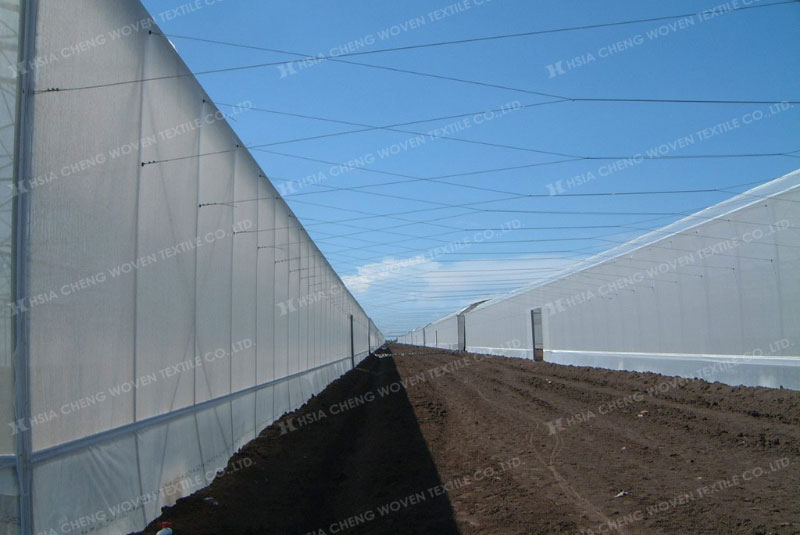
As greenhouse and net-house cultivation becomes more common, many growers are concerned that insect netting may reduce light transmission and restrict ventilation, potentially affecting crop growth. This article focuses on how insect netting influences greenhouse light and airflow, and how growers can minimize negative effects through proper product selection and installation.
This concern is especially relevant in greenhouse vegetable production, flower cultivation, fruit orchards, and nurseries, where light, airflow, and internal climate directly affect crop performance.
In greenhouse cultivation, insect netting is used as a physical barrier to help prevent pests from entering the growing area. Because it covers ventilation openings or protected structures, growers often question whether it may also affect light transmission and airflow.
Does Insect Netting Reduce Light?
The answer is: Yes – but at a controllable level.
Any covering material affects light transmission to some extent, and insect netting is no exception. However, the actual impact depends on the type of insect-proof netting, mesh density, and installation method.
Light Impact by Mesh Density
16 Mesh – 24 Mesh Insect Netting
16–24 mesh insect netting has a relatively open structure, so its effect on light transmission and airflow is usually limited, allowing sufficient natural light for photosynthesis. It is suitable for crops or growing environments with relatively low pest pressure, where ventilation is a higher priority.
32 Mesh – 40 Mesh Insect Netting
32–40 mesh insect netting has a medium density that effectively blocks many small insects such as flies, butterflies, and leafhoppers while still maintaining relatively stable light levels. Compared to lower mesh nets, light reduction is slightly higher but does not significantly affect plant growth when the greenhouse is properly designed.
This range is the most commonly used insect-proof netting for vegetables, flowers, and fruit crops due to its balance between pest protection and microclimate control.
High Mesh Insect-Proof Netting (50 Mesh and Above)
High-mesh insect-proof netting (50 mesh or more) features very dense openings, providing excellent protection against even tiny pests such as thrips and small flies. However, the higher fiber density can significantly reduce light transmission and restrict airflow if no additional ventilation solutions are applied.
For this reason, high-mesh insect netting is typically used in nurseries, high-tech greenhouses, or areas with heavy pest pressure, where temperature control and supplemental lighting can be effectively managed.
Practical Production Results
In practice, well-designed greenhouse systems can still maintain healthy crop growth and stable yields when insect netting is selected appropriately and combined with proper ventilation management. In some cases, insect netting may also help soften direct sunlight and reduce heat stress on crops.
👉 When the right insect netting is selected, light is not only preserved but optimally regulated.
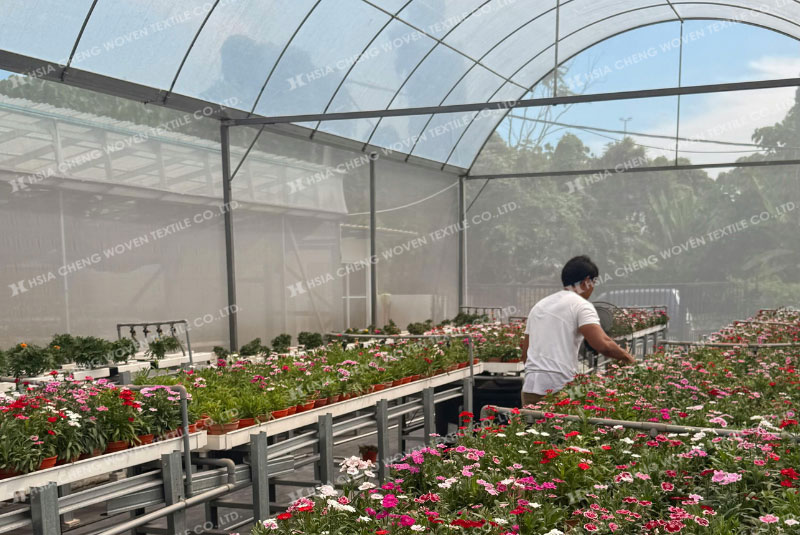
Does Insect Netting Obstruct Ventilation?
Insect netting may slightly reduce airflow, but it does not block ventilation completely when the right mesh and installation methods are used. In greenhouse cultivation, ventilation remains critical for temperature control, humidity management, and plant respiration, so insect netting should always be selected as part of the overall greenhouse design.
Factors That Affect Airflow Performance
- Mesh density should be selected according to pest pressure and crop needs. Very dense netting may improve insect exclusion, but it can also increase airflow resistance.
- Installation quality also matters. Nets should be stretched evenly, fixed securely, and sealed properly without blocking ventilation openings more than necessary.
- Greenhouse design is equally important. Side vents, roof vents, and natural wind paths should be considered so that insect netting can be used without excessively restricting internal airflow.
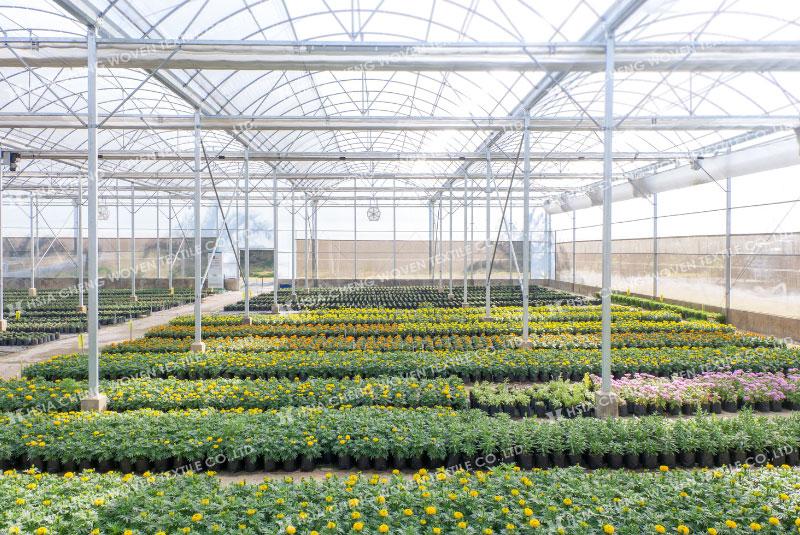
When Does Insect Netting Cause Negative Effects?
Insect netting or insect-proof netting may significantly reduce light and ventilation in the following situations:
Using Excessively High Mesh for Light-Demanding Crops
Selecting high-mesh insect-proof netting for crops that require strong light intensity is a common mistake. Dense nets block too much light, directly affecting photosynthesis and leading to weak stems, thin leaves, slow growth, and reduced yields.
Poor-Quality Insect Netting with Thick Fibers and Uneven Mesh
Low-quality insect netting with thick fibers and uneven mesh blocks more light and airflow. It also degrades faster, tears easily, and creates gaps that reduce the insect-proof performance of the net.
Fully Sealed Structures Without Ventilation or Heat Exhaust
Completely sealing greenhouses with insect netting without proper ventilation openings or heat exhaust traps hot, humid air inside. This greatly reduces the benefits of insect-proof netting and increases disease risk.
Not Combining Other Climate Control Measures
Insect netting alone cannot regulate temperature or humidity. Without additional measures such as ventilation systems, shade nets, misting, or drip irrigation, insect-proof netting may contribute to an unstable growing environment.
Under these conditions, growers may experience higher internal temperatures, excessive humidity, slower plant growth, and increased disease pressure.
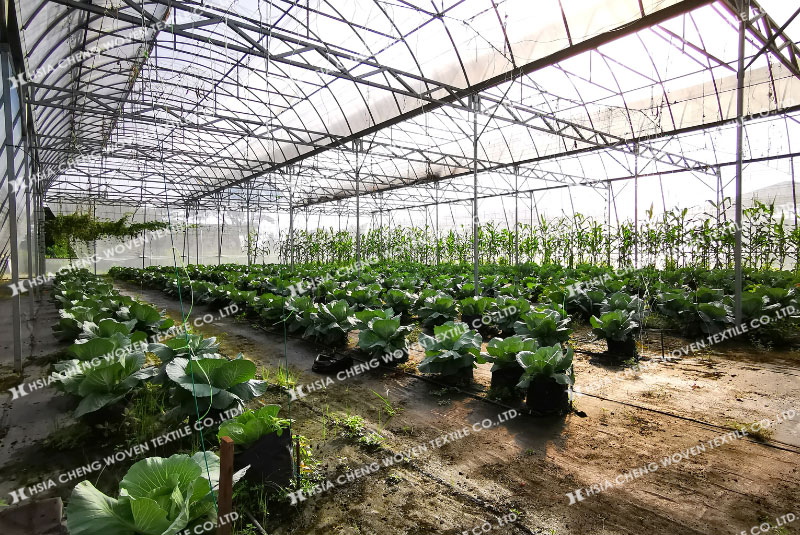
How to Minimize Light and Ventilation Problems
1. Choose the Right Insect Netting for Each Crop
Different crops have different requirements for light, ventilation, and pest protection. Leafy vegetables and seedlings generally require low to medium mesh insect netting, while crops vulnerable to small insects may need higher-mesh insect-proof netting during specific growth stages.
2. Prioritize High-Quality Insect-Proof Netting
High-quality insect netting typically offers:
- Durable HDPE fibers
- Uniform, breathable mesh structure
- UV resistance and long service life
3. Design an Effective Ventilation System
- Install ventilation openings on both sides of the structure
- Combine roof vents or exhaust fans for large greenhouses
- Avoid fully sealing structures unless absolutely necessary
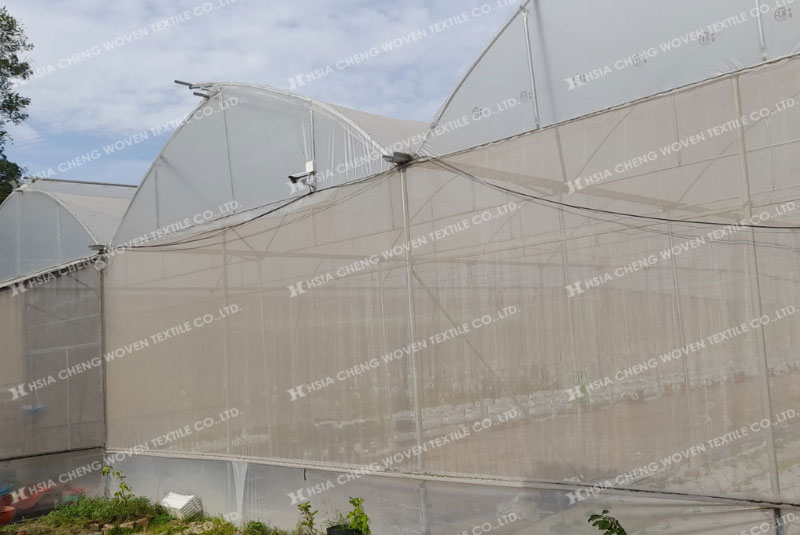
Our Insect Netting – Reliable Insect-Proof Netting for Crop Protection
Premium Materials and Superior Durability
Our insect netting is made from high-quality materials designed for long-term agricultural use. With UV-resistant treatment and durable fiber strength, it maintains stable performance under outdoor and greenhouse conditions.
Uniform Mesh for Optimal Light and Ventilation
Our insect netting features evenly woven mesh that meets technical standards, ensuring effective insect-proof performance while allowing sufficient light and airflow. Compared with low-quality products, it minimizes uneven shading and poor ventilation.
Multiple Mesh Options for Various Crops
Our insect-proof netting is available in mesh sizes ranging from 16 to 50 mesh, suitable for different crops, growth stages, and pest pressure levels. This flexibility allows growers to select the most appropriate insect netting for each cultivation model.
Flexible Applications Across Cultivation Models
Our insect netting can be used in greenhouses, nurseries, fruit and vegetable cultivation, and other protected growing systems where insect control must be balanced with environmental management.
FAQ
Does insect netting reduce greenhouse airflow?
Properly selected insect netting may slightly reduce airflow, but effective ventilation design helps maintain stable air circulation.
What mesh size is best for greenhouse vegetables?
32–50 mesh insect netting is commonly used because it balances insect protection, light transmission, and ventilation.
Can insect-proof netting reduce plant growth?
Low-quality or excessively dense insect netting may affect light and airflow, but properly selected netting supports healthy crop development.
Is insect netting suitable for organic farming?
Yes. Insect-proof netting helps reduce pest pressure and minimizes reliance on chemical pesticides, making it suitable for organic and sustainable agriculture systems.
Choosing the Right Balance for Greenhouse Performance
Insect netting can influence greenhouse light transmission and airflow, but in most cases the effect can be managed through suitable mesh selection, proper installation, and effective ventilation design. For growers, the key is not simply to maximize insect protection, but to find the right balance between pest exclusion and greenhouse growing conditions.