In pineapple-growing regions with intense sunlight and long dry seasons, fruit sunburn is one of the most common causes of quality loss. Once exposed fruit surfaces overheat, pineapples may develop brown or dark patches, uneven skin color, and reduced market value. This is why pineapple shading is not simply a general heat-control practice. It is a targeted crop management method used to protect developing fruit during periods of high solar exposure.
Why Pineapple Fruit Needs Shading in Hot Conditions
Pineapple plants can grow in warm climates, but the fruit itself remains vulnerable when direct sunlight is too intense for too long. The main problem is not only high air temperature, but also surface heat buildup on exposed fruit. When this happens during sensitive fruit development stages, the risk of sunburn and visible skin damage increases.
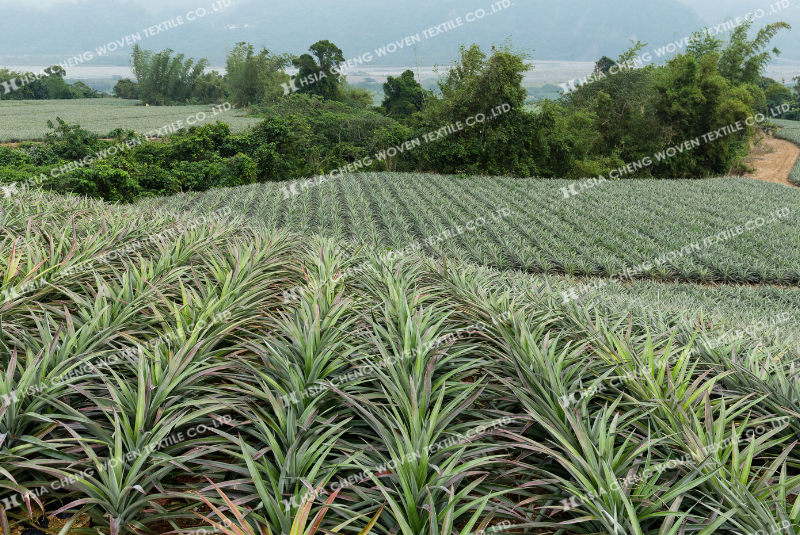
Impact of Strong Sunlight on Pineapple Fruit
Common effects of excessive sun exposure on pineapple fruit include:
- fruit sunburn and visible skin damage
- uneven ripening or discoloration
- lower external quality and reduced market acceptance
- moisture stress that affects overall fruit development
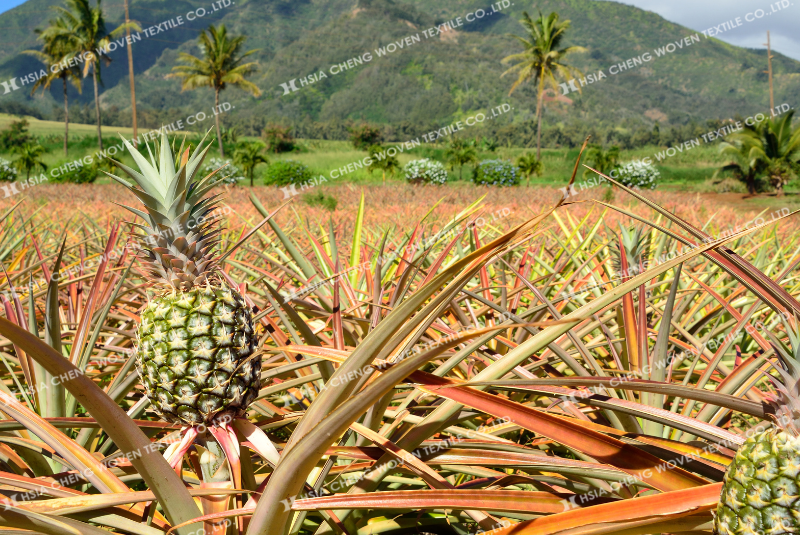
When Pineapple Shading Becomes Most Important
Post-Flowering to Early Fruit Development
After flowering, newly formed fruit is still highly sensitive to direct exposure. At this stage, shading helps reduce sudden heat stress on the fruit surface and supports more stable fruit development.
Rapid Fruit Expansion Period
As the fruit enlarges, consistent light and temperature conditions become more important. Excessive exposure during this period can increase the risk of sunburn, surface dehydration, and uneven appearance.
Peak Hot Season
During extended hot and dry periods, pineapple shading becomes a preventive measure rather than a reactive one. Once visible sunburn appears, fruit quality has already been affected.
Common Pineapple Shading Methods
Natural Shading Materials
Straw, dried leaves, or other field materials may be used as temporary fruit covers. This method is low-cost, but coverage is less consistent and replacement is labor-intensive.
Individual Fruit Bagging
Bagging can protect single fruits from direct light, but it usually requires more labor and is less efficient in larger planting areas.
Agricultural Sade Net Systems
For broader and more consistent coverage, many farms use shade net systems to reduce excessive sunlight across the planting zone.
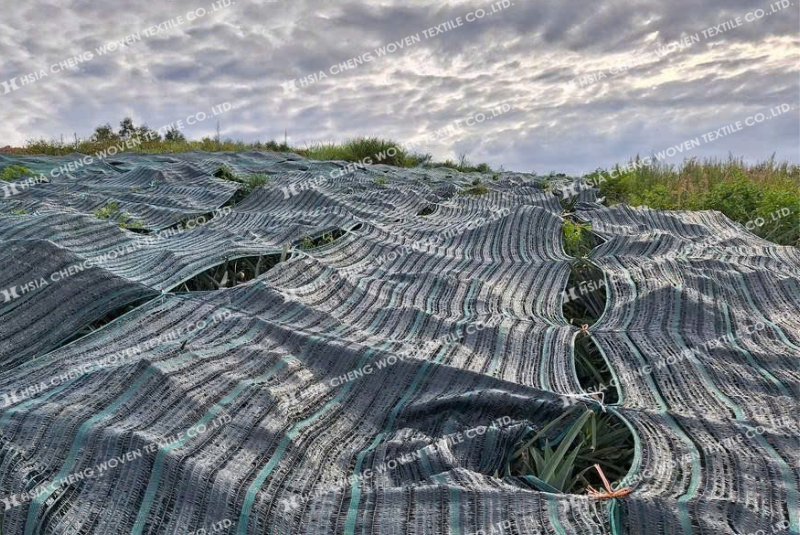
Application of Woven Shade Netting
For pineapple growers managing strong sunlight during fruit development, woven shade netting offers a more consistent and scalable shading method than temporary covering materials. It helps reduce direct exposure on developing fruit while supporting more stable field management during hot periods.
For outdoor pineapple cultivation, suitable shade net materials should combine stable shading performance, structural durability, and good adaptability to field conditions. This is especially important in tropical and high-radiation environments where fruit sunburn risk is more difficult to control.
Hsia Cheng provides woven shade netting solutions for agricultural use, including applications that require reliable shading performance under demanding outdoor conditions. For growers planning a pineapple shade net system, selecting suitable netting can help improve implementation efficiency and support more consistent fruit protection.
Explore Woven Shade Netting Solutions
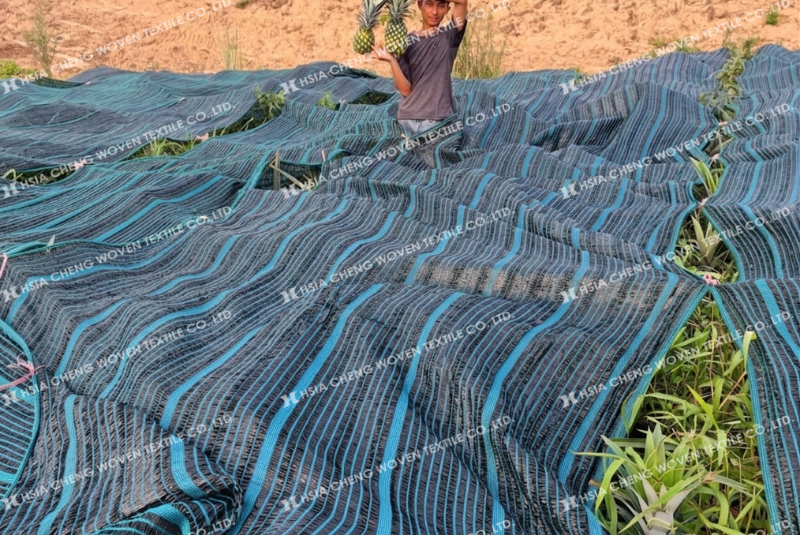
Practical Points for Using a Pineapple Shade Net System
Apply Shading at the Right Time
If shading is introduced too late, fruit may already show visible sunburn damage. If it is applied too early or too heavily, the field may receive less light than needed for balanced crop development.
Maintain Ventilation
A shade net system should still allow sufficient airflow. Good ventilation helps reduce humidity buildup and lowers the risk of secondary disease pressure during hot weather.
Coordinate With Irrigation and General Field Management
Shade netting works best as part of an overall crop protection strategy. When combined with proper irrigation and routine field management, shading can help reduce heat-related stress more effectively than relying on water alone.
How Pineapple Shading Supports Better Marketable Yield
The main value of pineapple shading is not simply producing more fruit, but protecting more fruit from avoidable quality loss. When sunburn is reduced, a larger share of harvested fruit can meet commercial quality expectations.
Potential benefits include:
- Improved fruit quality
- lower rejection caused by sunburn damage
- more stable harvest quality during hot periods
- better protection of marketable yield
Better Fruit Protection Starts with Timely Shading
Pineapple shading is an essential agricultural practice that helps improve productivity and fruit quality in tropical conditions.
Using a high-quality pineapple shade net system and woven shade netting is the most effective way to achieve long-term fruit sunburn prevention and stable production.