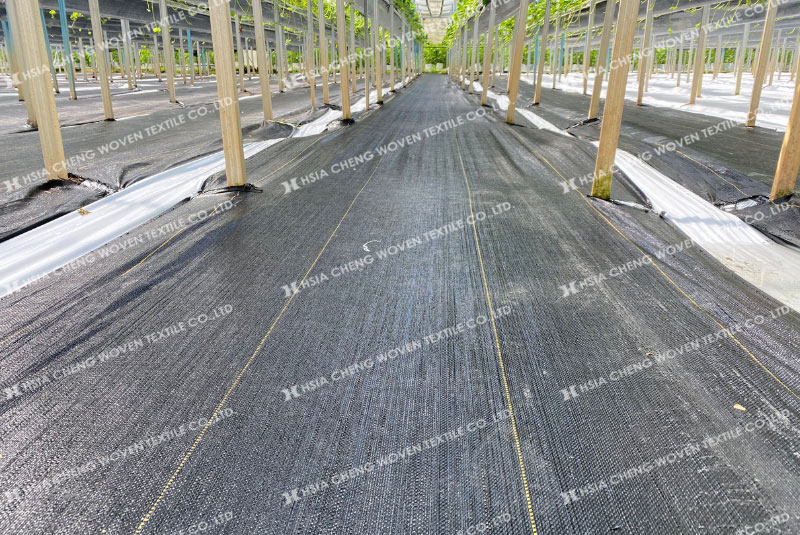
Weed growth and exposed soil are two common challenges in modern farming systems. When weeds spread across planting rows, they compete with crops for water, nutrients, and space, while increasing the need for repeated maintenance. At the same time, bare soil is more vulnerable to direct sunlight, rainfall impact, and surface disturbance during daily farm operations. For this reason, many growers use ground cover as a practical solution to improve weed control and protect the soil surface throughout the cultivation cycle.
Why Ground Cover Matters in Modern Farming
Modern farms need more than simple weed suppression. They also need cleaner cultivation areas, better field organization, and more stable growing conditions across different production environments. In vegetable farms, orchards, nurseries, greenhouses, and net house systems, exposed soil and uncontrolled weed growth can gradually reduce field efficiency and increase labor pressure.
Ground cover, also known as weed control fabric or anti weed barrier, helps address these challenges by covering the soil surface with a functional protective layer. Instead of treating weed growth only after it appears, growers can manage the cultivation area more consistently from the beginning of the season. This is why ground cover has become an important material in modern agriculture.
What Ground Cover Does for Weed Control
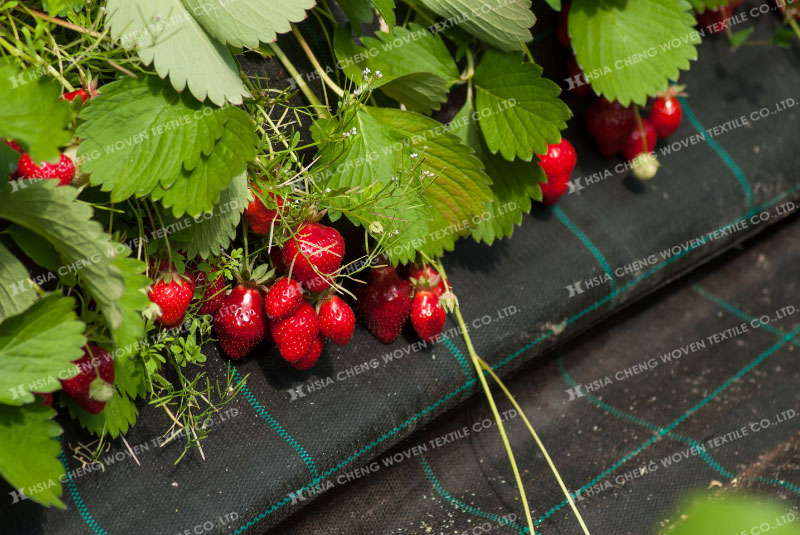
Weed control is one of the main reasons growers install ground cover. In open or protected cultivation systems, weed seeds can quickly germinate when the soil surface is exposed to sunlight and moisture. Once weeds establish themselves, they begin competing with crops and create more maintenance work across the field.
Ground cover helps suppress weed development by blocking sunlight from reaching the soil surface. This reduces the conditions many weeds need in order to grow, making it easier to maintain cleaner crop rows and planting zones. As a result, growers can reduce the frequency of manual weeding and lower dependence on repeated weed-control work during the production cycle.
For modern farms, the benefits of better weed control include:
- reduced weed pressure around crops
- less time spent on repeated weeding
- lower labor demand for field maintenance
- cleaner and more organized cultivation rows
- improved access for irrigation and routine farm work
Rather than acting only as a temporary barrier, ground cover helps support a more efficient weed-management strategy over time.
How Ground Cover Supports Soil Protection
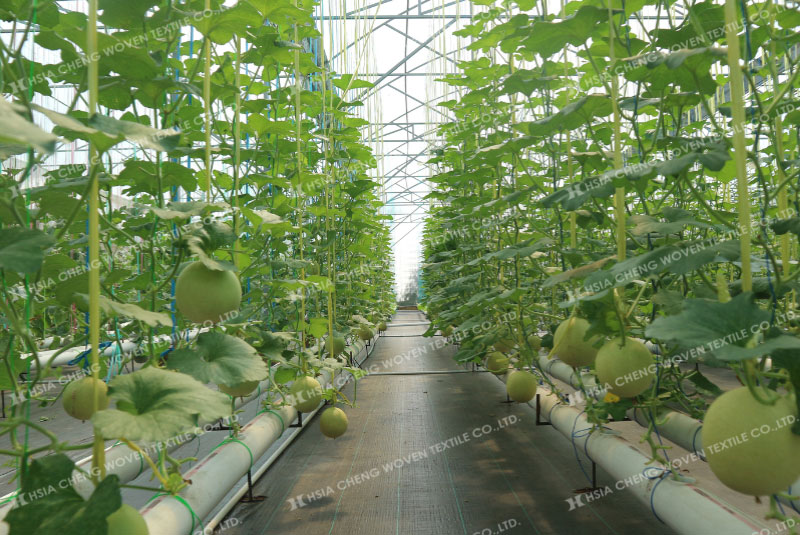
Ground cover is also valuable because it protects the soil surface from direct environmental exposure. In many agricultural settings, the upper soil layer is affected by strong sunlight, heavy rain, irrigation splash, and repeated movement by workers or equipment. Over time, this can make the cultivation surface less stable and harder to manage.
By covering the soil, ground cover creates a protective separation between the field surface and the surrounding environment. This helps reduce direct impact on the upper soil layer and keeps the growing area in better condition throughout the season.
In practical farm use, this soil-protection role can help:
- reduce direct sunlight exposure on the soil surface
- limit disturbance from rain and irrigation impact
- protect crop rows from repeated surface disruption
- support a more stable environment around the root zone
- maintain a cleaner cultivation area for daily management
This is why ground cover is not only a weed-control material, but also a useful surface-management solution in modern farms.
Soil-Surface Stability and Root-Zone Protection
A stable soil surface is important for maintaining more consistent growing conditions. In bare-soil cultivation, the upper layer is more exposed to rapid surface changes caused by weather and routine field activity. These changes can make the growing environment around the crop base less uniform over time.
Ground cover helps reduce this exposure by protecting the soil surface and supporting better root-zone stability. With fewer external disturbances affecting the upper soil layer, the cultivation area becomes easier to manage and more suitable for structured farming systems that depend on cleaner, more controlled production conditions.
For farms that focus on long-term field efficiency, this protective function is an important reason to use weed control fabric beyond simple weed suppression.
Why Ground Cover Is Used in Different Cultivation Systems
Common applications include:
- vegetable cultivation
- fruit orchards
- nurseries
- greenhouse production
- net house farming
- protected cultivation systems
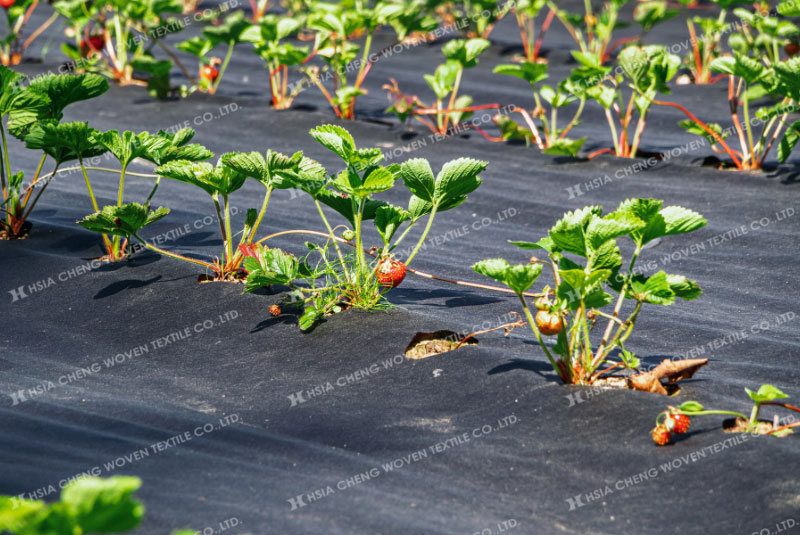
In vegetable farms, ground cover helps keep planting rows cleaner and reduces weed interference during crop growth. In orchards, it supports better row management and helps reduce maintenance work between trees. In nurseries, it creates cleaner and more organized growing spaces. In greenhouses and net houses, it improves surface management and supports a more controlled production environment.
Because it fits both open-field and protected farming systems, ground cover has become a flexible and practical material in modern agricultural use.
You May Be Interested In:
- How Does Ground Cover Help Retain Moisture and Improve Soil?
Discover how ground cover supports moisture retention and contributes to healthier soil conditions in crop production. - Ground Cover Lifespan: Tips to Improve Long-Term Durability
Learn what affects ground cover durability and how to improve long-term field performance.
Ground Cover as Part of a More Controlled Growing Environment
In many modern farms, ground cover is most effective when used together with other cultivation materials and systems. For example, drip irrigation can improve water delivery to the crop zone, while shade net or net house structures help regulate sunlight exposure and reduce environmental stress above the plants.
When these elements are used together, growers can build a more controlled cultivation system in which weed pressure is reduced at the soil level and the growing surface remains easier to manage. This integrated approach is especially useful in regions where stronger sunlight, irregular rainfall, or intensive production conditions make field control more challenging.
For this reason, ground cover is often viewed not as a standalone product, but as part of a broader farm-management system designed to improve cultivation consistency.
Woven and Non-Woven Ground Cover in Farm Applications
Ground cover is generally available in woven and non-woven forms. In agricultural applications, the choice between them depends on the cultivation environment and the intended usage period.
Woven ground cover is often preferred for longer-term farm use because it provides stronger structural stability and better durability in outdoor or high-use conditions. It is commonly used in orchards, vegetable farms, greenhouse systems, and net house cultivation where long-term weed control and surface protection are required.
Non-woven options may still be suitable for lighter or shorter-term applications. However, for farms that need more reliable performance throughout the season, woven weed control fabric is often the more practical solution.
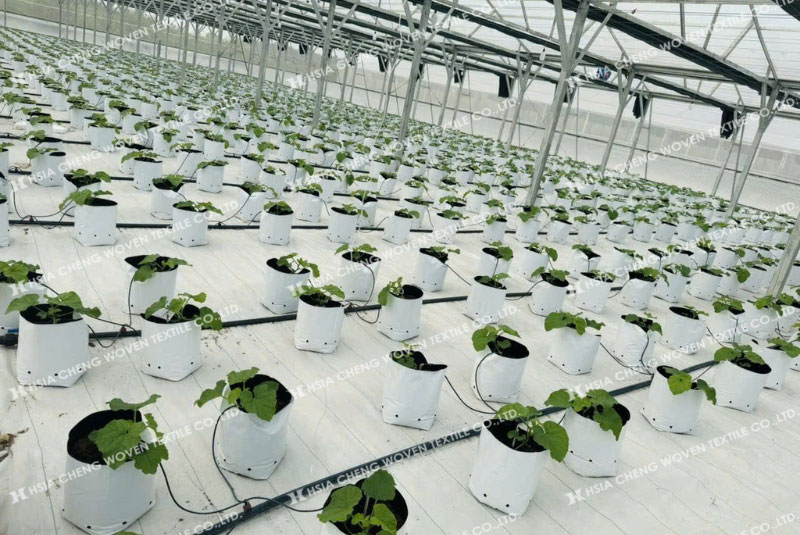
A Practical Ground Cover Solution for Agricultural Use
Hsia Cheng provides woven ground cover designed for agricultural environments that require dependable weed suppression and durable soil-surface coverage. Its woven structure helps block weed growth, maintain cleaner cultivation rows, and support more organized farm management in both open-field and protected growing systems.
This makes it suitable for vegetable farms, orchards, nurseries, greenhouse production, and net house cultivation where stronger and more reliable ground cover is needed.
Better Weed Control Starts with Better Surface Management
In modern farms, weed control and soil protection are closely connected. A growing area that is difficult to keep clean is also more difficult to manage consistently over time. By helping suppress weed growth and protect the soil surface, ground cover supports cleaner field conditions and more stable cultivation management across different agricultural systems.
For growers looking to improve field organization, reduce maintenance pressure, and maintain a better-protected cultivation surface, ground cover remains a practical solution for modern agriculture. Contact Hsia Cheng for more!