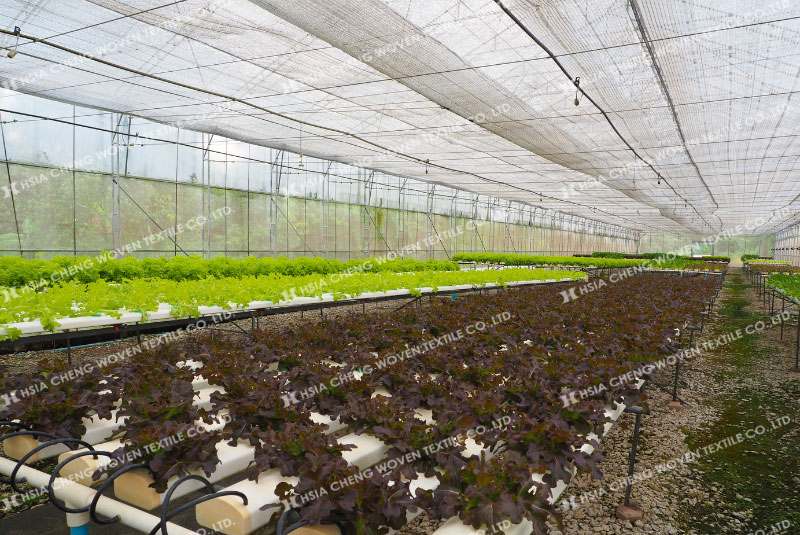
Growing vegetables in summer becomes more difficult when crops are exposed to strong sunlight and prolonged daytime heat. In many growing environments, these conditions raise leaf and soil temperatures quickly, making vegetables more vulnerable to stress, uneven growth, and quality decline.
For this reason, successful summer production is not only about irrigation. It also depends on how effectively growers control light intensity and temperature during the hottest parts of the season.
Why Summer Vegetables Struggle in Hot Conditions
Summer vegetables, especially leafy crops, respond quickly to excessive light and heat. When solar exposure remains too intense, plants may lose moisture faster, show signs of leaf damage, and develop less evenly.
Common problems include:
- leaf scorch or yellowing under direct sunlight
- faster drying after watering
- midday wilting during hot periods
- lower consistency in leaf quality and growth
These issues are especially important in vegetable production because appearance, uniformity, and harvest quality directly affect market value.
Why Shade Nets Matter More Than Extra Watering
Many growers try to manage summer stress by increasing irrigation, but water alone cannot reduce direct solar exposure or lower the heat building up around the crop canopy. As a result, vegetables may still struggle even when soil moisture is maintained.
This is why shade management plays an important role in summer vegetable production. By reducing excessive sunlight, growers can create a more balanced environment for plant development.
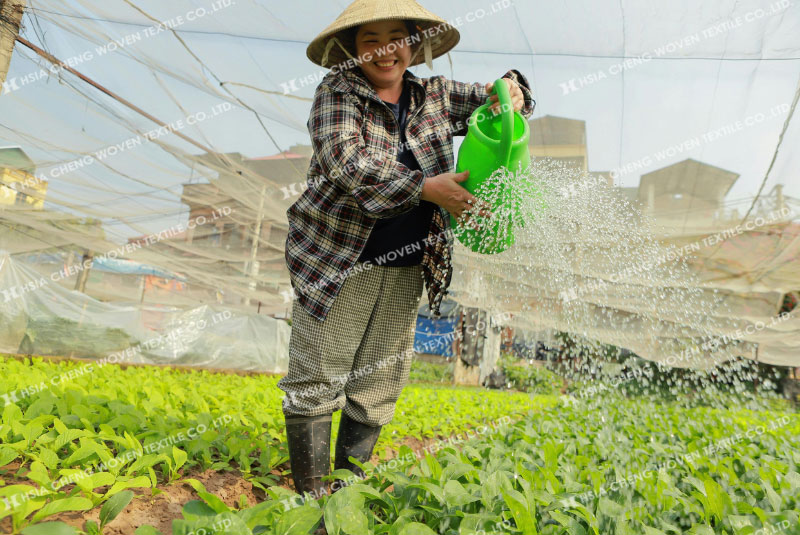
How Shade Nets Help Control Light and Temperature
Shade nets help moderate the growing environment by reducing the intensity of direct sunlight before it causes excessive heat buildup. Instead of blocking light completely, they help maintain a more workable balance between protection and plant growth.
For summer vegetables, this can help:
- lower heat stress during peak daytime hours
- reduce the risk of leaf burn
- slow surface moisture loss
- support more even crop development
Because of these benefits, shade nets are widely used as a practical tool for improving summer growing conditions.
What Shade Percentage Is Commonly Used for Summer Vegetables
The right shade level depends on crop type, local sunlight intensity, and production conditions. In many vegetable-growing systems:
- 50–60% shade is commonly used for leafy vegetables and other crops that need protection from strong summer sunlight
- 70–80% shade may be used in areas with prolonged intense heat or for crops that are more sensitive to direct exposure
The purpose of shading is not to eliminate sunlight, but to reduce excessive intensity while keeping enough light for healthy growth.
Hsia Cheng Woven Shade Nets for Summer Vegetable Growing
Hsia Cheng’s woven shade nets are designed for agricultural applications that require dependable shading performance, durability, and stable field use. For summer vegetable growers, these features are especially useful in managing light intensity and maintaining more consistent growing conditions during hot seasons.
Made for outdoor agricultural use, Hsia Cheng woven shade nets help reduce excessive sunlight exposure while still supporting practical use across different crop and seasonal conditions. Their woven structure is suitable for growers who need a reliable shading solution for open-field vegetable production, nursery use, or other environments where crops may be exposed to prolonged summer heat.
Why Shade Nets Remain a Practical Choice for Summer Vegetable Production
In summer vegetable growing, the key challenge is not simply water supply, but controlling excessive light and heat before they affect crop quality. Shade nets remain a practical solution because they help growers create more stable daytime conditions and support better consistency in vegetable production.