Can knitted shade cloth withstand rain and wind? This is one of the most important questions when selecting shading materials for greenhouses, farms, gardens, and outdoor structures. In environments with strong sunlight, frequent rain, and changing wind conditions, weather resistance directly affects both service life and installation stability. Knitted shade cloth is widely used outdoors because its flexible structure, breathable design, and material durability make it more suitable for long-term exposure than many conventional shading products.
Is Knitted Shade Cloth Durable Enough for Outdoor Conditions?
The short answer is YES — when properly manufactured and installed.
Knitted shade cloth is widely recognized for its strong resistance to rain and wind, especially when compared to many traditional shade netting products currently on the market.
Flexible Knitted Structure for Better Outdoor Durability
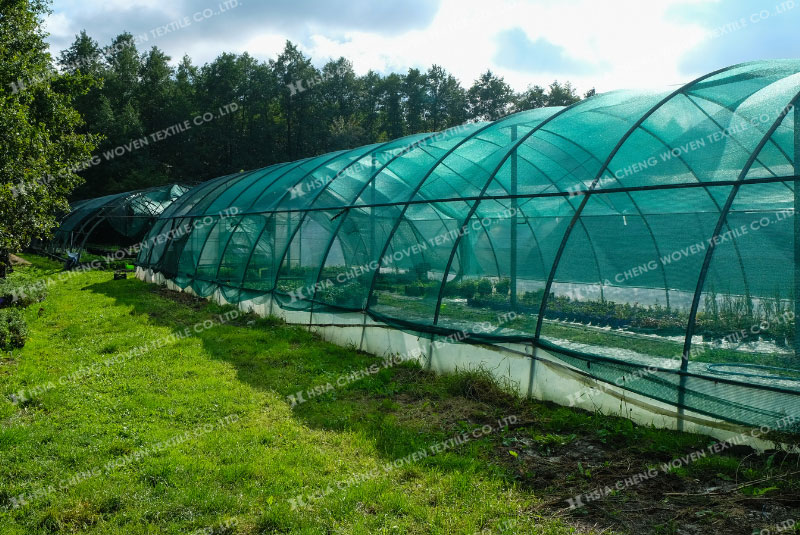
One of the main reasons knitted shade cloth performs well outdoors is its flexible looped structure. Unlike more rigid materials, knitted shade netting can distribute wind pressure more evenly across the surface and absorb movement during gusts or vibration. This helps reduce localized stress, edge tearing, and fiber breakage, while allowing the net to maintain more stable elasticity under changing weather conditions.
Key Factors That Affect Outdoor Durability
Although knitted shade cloth withstands rain and wind well, its actual durability depends on several factors:
Material Quality and UV Resistance
Fiber material plays a critical role in the outdoor performance and lifespan of knitted shade cloth. High-quality products are typically made from virgin HDPE with UV-resistant additives, helping prevent brittleness, fiber degradation, and premature aging under prolonged exposure to sunlight and rain.
Shade Rate(%) and Wind Load
The shade rate(%) reflects fiber density and airflow capacity. Knitted shade cloth with 50%–60% shading offers better airflow and is suitable for windy areas. 70% shade is the most common option, balancing sun protection and wind resistance. Nets with 80% shade have denser structures and provide stronger shading but create higher wind resistance, requiring sturdier support frames. Selecting the correct shade rate based on environmental conditions helps reduce tearing risks and ensures safety during heavy rain and strong winds.
Installation and Fixing Method
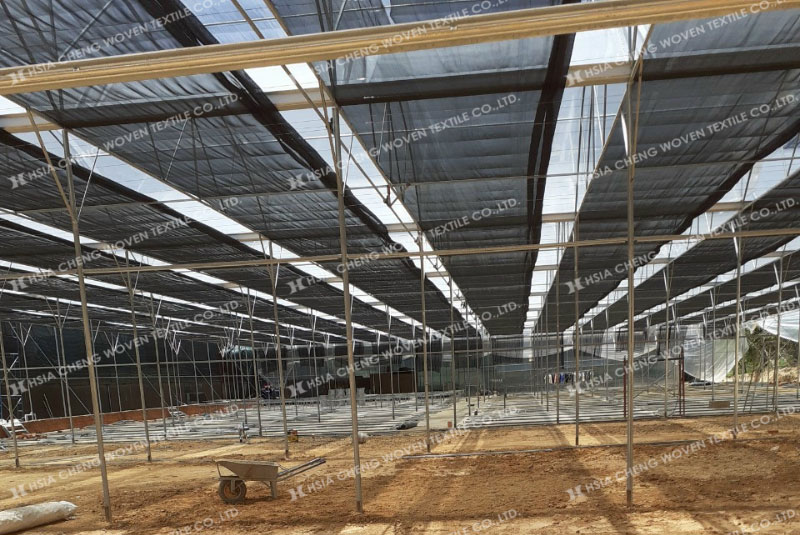
Even with high-quality knitted shade netting, improper installation can lead to premature damage. Over-tightening eliminates necessary elasticity, making the net more prone to tearing during wind gusts. Uneven fastening or low-quality tying materials can also concentrate force at specific points, causing fiber breakage. For optimal durability, the net should be installed with moderate tension, slight sagging, and evenly secured across the entire frame.
Material quality, shade rate, and installation all work together to determine long-term outdoor performance.
Why Knitted Shade Cloth Performs Well in Rainy and Windy Conditions
Fast Water Drainage Without Water Accumulation
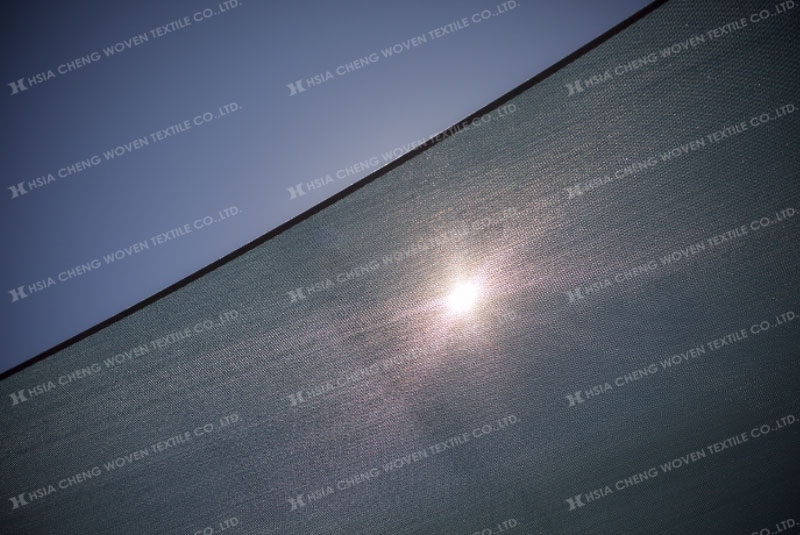
Rainwater accumulation is one of the main causes of outdoor shade net damage because it creates excess weight and pressure on the surface. Thanks to its open and breathable structure, knitted shade cloth allows water to drain more quickly, helping reduce load buildup and maintain better stability during rainy periods.
Breathable Design That Helps Reduce Wind Load
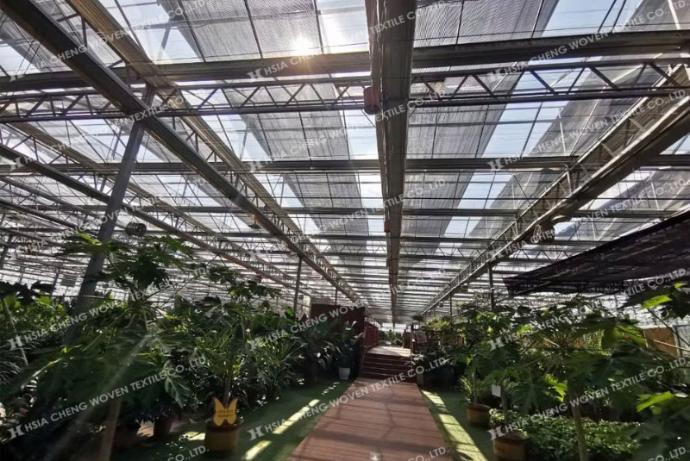
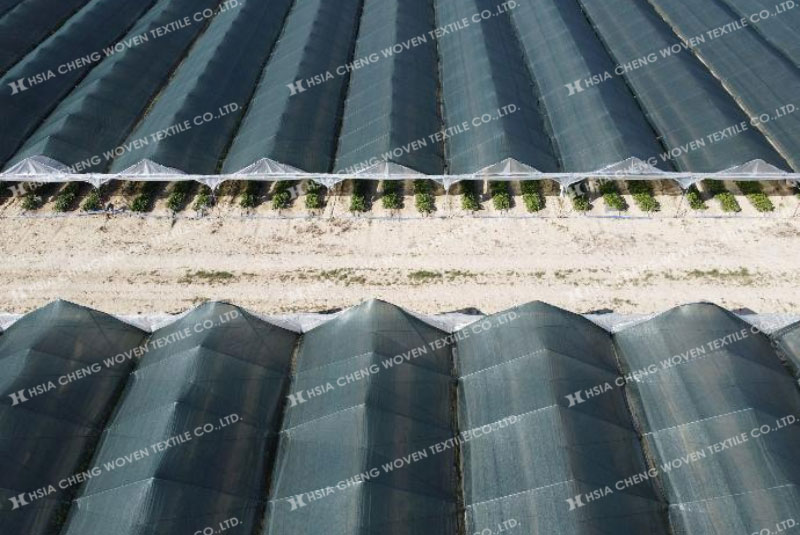
Because knitted shade cloth has a breathable mesh structure, part of the airflow can pass through the surface instead of placing full pressure on it. This helps reduce tearing risk and also lowers stress on supporting frames, which is especially useful for greenhouses, nurseries, net houses, and other outdoor agricultural structures exposed to changing weather conditions.
Practical Tips for Longer Outdoor Use
- Choose UV-resistant HDPE shade cloth
- Avoid over-tightening; allow slight sagging
- Reinforce supporting frames when needed
- Inspect fastening ties regularly
- Remove nets during severe storms
These simple practices can help improve durability and extend outdoor service life.
How Hsia Cheng Supports More Reliable Outdoor Shade Net Applications
How Hsia Cheng Supports More Reliable Outdoor Shade Net Applications
Outdoor shade net performance depends on more than shading ability alone. For long-term use in rainy, windy, and high-UV environments, users need to consider material quality, structural stability, and the right shade rate for the installation site. Hsia Cheng provides knitted shade cloth solutions designed for these practical outdoor conditions, helping users select products that balance durability, airflow, and shading performance.
Consistent Material and Structural Quality
Hsia Cheng’s knitted shade cloth is made from virgin HDPE with UV-resistant additives to improve long-term resistance to sunlight, rain, and weather-related aging. Its stable knitted structure helps distribute force more evenly and supports better durability in outdoor use.
Shade Rate Options for Different Outdoor Needs
Hsia Cheng offers multiple shade rates, including 50%, 60%, 70%, and 80%, allowing users to choose a more suitable option based on crop type, structure design, and local weather exposure. This flexibility is especially useful in applications where both shading performance and wind load need to be considered together.
Check Our Knitted Shade Net Solutions
Why This Matters in Practical Use
By combining UV-resistant materials, stable knitted construction, and multiple shade rate options, Hsia Cheng helps users build more reliable outdoor shading systems for greenhouses, farms, gardens, and other exposed structures.
Frequently Asked Questions About Knitted Shade Cloth
Can Knitted Shade Cloth Be Used Year-Round?
Yes. Knitted shade cloth can be used year-round if UV-resistant materials are selected and installed correctly. However, during severe storms, it is recommended to remove the net for safety and longevity.
How Long Does Knitted Shade Cloth Last Outdoors?
High-quality knitted shade cloth made from UV-resistant HDPE can typically last 7 years or longer, depending on weather conditions, installation quality, and maintenance practices.
What Makes Knitted Shade Cloth a Reliable Outdoor Choice
Knitted shade cloth is fully capable of withstanding rain and wind thanks to its flexible structure, fast water drainage, and reduced wind resistance. When combined with proper material selection, appropriate shade rate, and correct installation techniques, knitted shade netting is a durable, efficient, and cost-effective solution for outdoor applications.
For outdoor environments exposed to strong sunlight, heavy rain, and changing weather conditions, high-quality knitted shade cloth provides a more durable and reliable long-term shading solution. If you are looking for reliable knitted shade cloth for outdoor use, contact Hsia Cheng for more information!