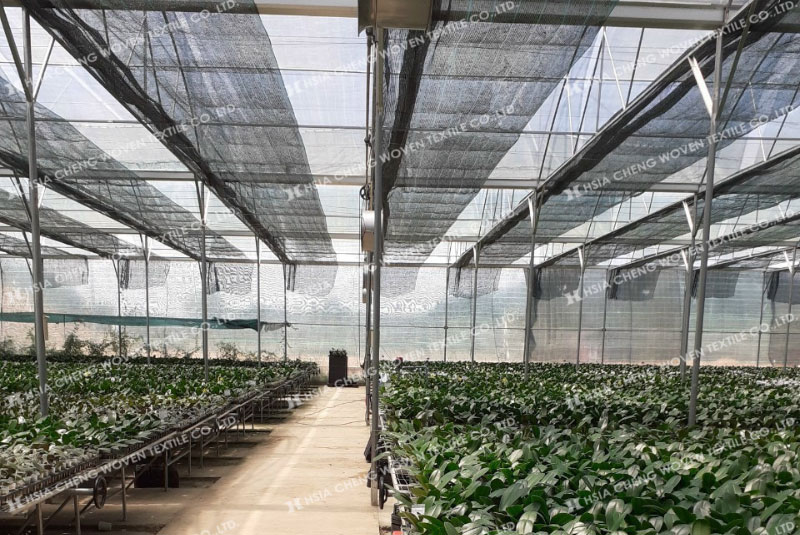
Shade nets are widely used in modern agriculture to reduce heat, soften strong sunlight, and create a more stable growing environment. However, good results do not come from installation alone. When shade nets are used incorrectly, they can reduce light too much, trap heat and humidity, and ultimately weaken plant growth instead of supporting it.
In many cases, the problem is not whether shade net should be used, but how it is used. Incorrect shading percentage, poor ventilation, unsuitable installation height, and failure to adjust for seasonal conditions can all limit crop performance. This article focuses on the most common mistakes and how to correct them for healthier and more stable growth.
Mistake 1: Choosing the Wrong Shading Percentage
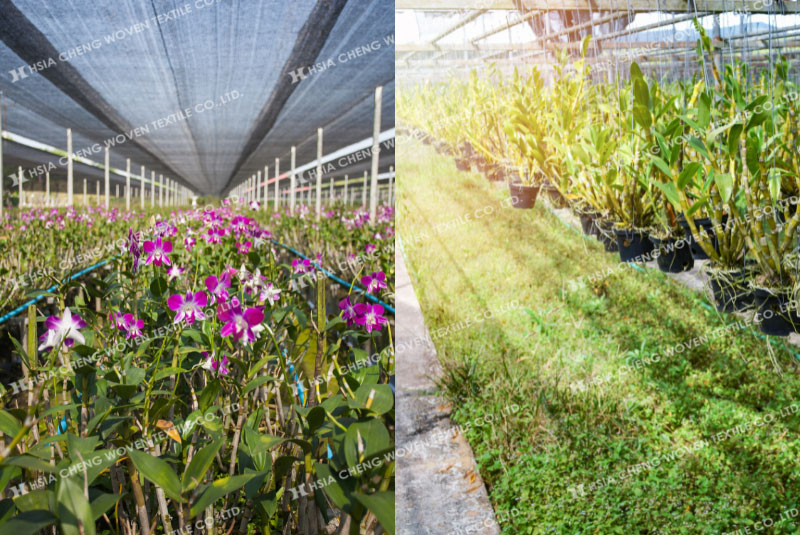
One of the most common problems is assuming that more shade always gives better protection. In reality, each crop has different light requirements, and excessive shading can reduce photosynthesis, slow development, and lead to weak stems or yellowing leaves.
For example, leafy vegetables such as mustard greens, water spinach, and many herbs often perform well under 50%–60% shading, while 70%–80% shading may only be suitable during periods of extreme heat. Using a denser shade net than necessary for extended periods can limit the light plants need and reduce healthy growth. The key is to match the shading percentage to the crop type, local climate, and seasonal heat intensity rather than using one level in all situations.
★Related Article: Sun Shading for Crops: Choosing the Right Woven Shade Netting
Mistake 2: Covering Too Tightly and Blocking Airflow
Shade nets help reduce direct sunlight, but they should not create a closed and overheated space. When nets are installed too tightly without enough ventilation, heat can build up underneath the cover and humidity can remain trapped around the plants.
This type of environment can increase plant stress and create more favorable conditions for fungal problems. For crop protection, effective shading should work together with airflow. A shade net setup that lowers heat while still allowing ventilation is usually more beneficial than one that only blocks light.
Mistake 3: Installing the Net at the Wrong Height
Installation height also affects shade net performance. If the net is placed too low, it may trap hot air close to the plants and reduce air circulation. If it is too high or poorly secured, the shading effect may become inconsistent and less effective during strong sun or wind.
A proper installation should provide enough clearance for airflow while maintaining stable and even coverage. This helps the net reduce heat more efficiently without creating additional stress inside the growing area.
Mistake 4: Using the Same Shade Net in Every Season
Another common issue is using the same shade net setup throughout the year without adjustment. Weather conditions change by season, and crops do not respond the same way in extreme summer heat, milder temperatures, or rainy periods.
In hotter months, insufficient shading may fail to reduce heat stress. In cooler seasons, overly dense shading can limit the light plants need for healthy growth. Reviewing shade levels according to seasonal changes can improve crop performance and prevent unnecessary shading problems
Mistake 5: Ignoring Irrigation and Ventilation Together
Shade nets are only one part of the growing environment. If irrigation and ventilation are not adjusted together, crops may still face stress even under shade protection. Poor airflow combined with excess moisture can increase humidity-related disease risk, while reduced evaporation may also change watering needs.
For better results, shade net use should be coordinated with watering frequency, airflow planning, and overall field or greenhouse management. This creates a more balanced environment and helps plants respond more consistently.
When the Wrong Shade Net Type Becomes Part of the Problem
Sometimes the issue is not only how the net is installed, but also whether the net type suits the application. Different structures perform differently in terms of airflow, flexibility, and coverage stability.
For example, a more structured net may be suitable for fixed installations, while a more flexible net may work better where ventilation and adaptable setup are important. If the shade net type does not match the farming model, climate conditions, or installation method, even careful management may not deliver the expected result.
★Related Article: 7 Proven Tips for Choosing Durable Knitted Shade Cloth
Shade Net Options That Support Better Growing Conditions
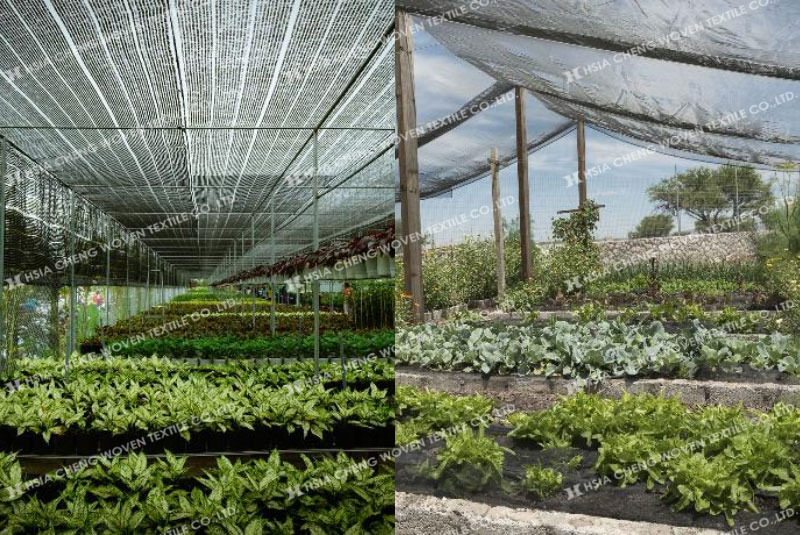
To reduce problems caused by incorrect use, it is important to start with a shade net that suits the growing environment. Hsia Cheng offers both woven shade net and knitted shade net options made from 100% virgin HDPE with UV stabilization, with 50% to 90% shading options available for different crop needs and climate conditions.
For fixed agricultural setups that require stable coverage, woven shade net can be a practical option. For applications where flexibility and ventilation are more important, knitted shade net may be more suitable. Choosing the right structure and shading level can help users avoid one of the most common mistakes in shade net use: applying the same solution to every crop and season.
Explore our:
Better Shade Net Use Starts with Better Adjustment
Shade nets can effectively support crop growth, but only when they are used with the right shading level, installation method, and environmental management. Problems such as poor ventilation, excessive shading, or lack of seasonal adjustment can reduce the benefits and lead to weaker crop performance.
By identifying these common mistakes and making practical corrections, growers can create a more stable growing environment and improve the value of shade net use in everyday agricultural applications.