Outdoor shade cloth is constantly exposed to UV radiation, moisture, wind, and temperature changes. Under these conditions, low-quality products may become brittle or tear after only 1–2 years of use. By contrast, well-made HDPE knitted shade cloth can often maintain its strength and shading performance for 5–7 years outdoors. This difference is largely related to UV-stabilized material, flexible knitted construction, and a breathable structure that reduces environmental stress.
What Makes Some Shade Cloth Fail Faster Outdoors?
Not all shade cloth performs the same way in outdoor environments. In many cases, early failure is caused by weak UV resistance, unstable material quality, or a structure that cannot handle long-term tension and weather exposure. Once the fibers begin to dry out, harden, or crack, the cloth becomes more vulnerable to tearing and loses its ability to provide stable shading. This is why durability should be evaluated not only by appearance, but also by material composition and structural design.
What Is HDPE Knitted Shade Cloth?
HDPE knitted shade cloth is made from high-density polyethylene fibers formed into an interlocking knitted structure. This construction gives the cloth better flexibility and tear resistance than more rigid materials. When UV stabilizers are added during production, the cloth becomes more capable of withstanding prolonged sunlight and repeated rain exposure.
Why HDPE Knitted Shade Cloth Lasts Longer Outdoors
1. UV-Stabilized HDPE Slows Sun Damage
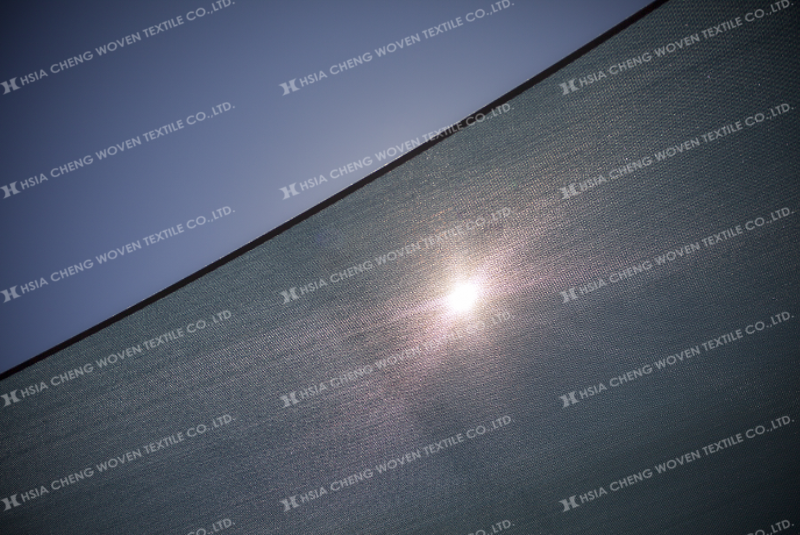
Sunlight is one of the main causes of shade cloth aging. Prolonged UV exposure can make fibers brittle, faded, and weak within a relatively short period if the material is not properly stabilized. HDPE shade cloth made with UV additives resists this process more effectively, helping the cloth maintain flexibility, color stability, and structural strength for years of outdoor use.
2. Knitted Construction Helps Prevent Tearing
The knitted structure forms interlocking loops that can absorb tension more evenly. This flexibility helps reduce localized stress when the cloth is pulled, shaken by wind, or exposed to repeated movement. As a result, knitted shade cloth is generally less likely to tear than more rigid shading materials.
3. Breathable Structure Reduces Wind and Rain Stress
A breathable shade cloth allows air and water to pass through rather than creating excessive pressure on the surface. This reduces wind load, lowers the risk of displacement, and helps the material remain more stable during changing weather. In outdoor installations, this structural advantage is one of the main reasons knitted shade cloth performs well under sun and rain.
4. Material Quality and Installation Both Affect Service Life
Even when the product type is the same, actual durability can still vary depending on fiber quality, UV formulation, thickness, and installation method. A well-made HDPE knitted shade cloth installed with appropriate tension and support will usually perform more reliably than a lower-grade product or a poorly installed one.
How Long Can HDPE Knitted Shade Cloth Last?
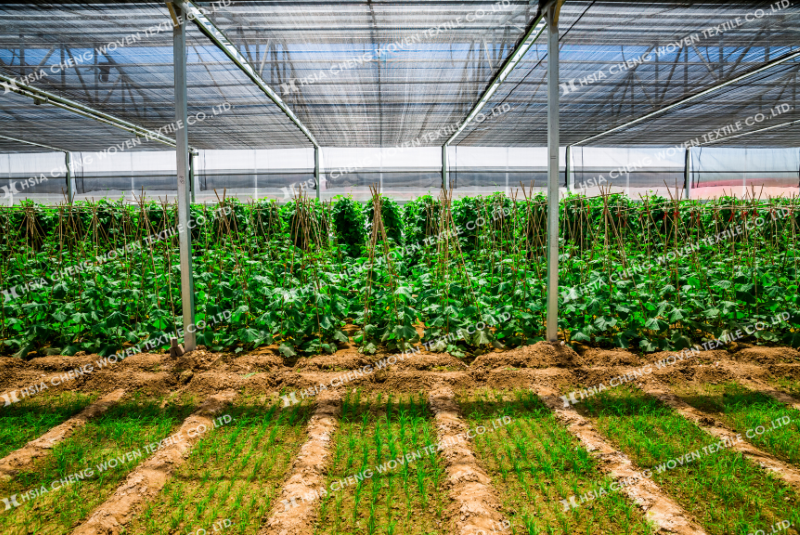
Actual lifespan depends on climate conditions, UV intensity, material quality, and installation practice.
Typical outdoor service life:
- Standard quality shade cloth: around 3–5 years
- Higher-quality UV-stabilized products: around 5–7 years
- In well-managed conditions, some premium products may reach 7–10 years
In areas with stronger sunlight, heavy rain, or frequent weather changes, the difference between standard and higher-quality material usually becomes more noticeable over time.
How to Improve Outdoor Service Life
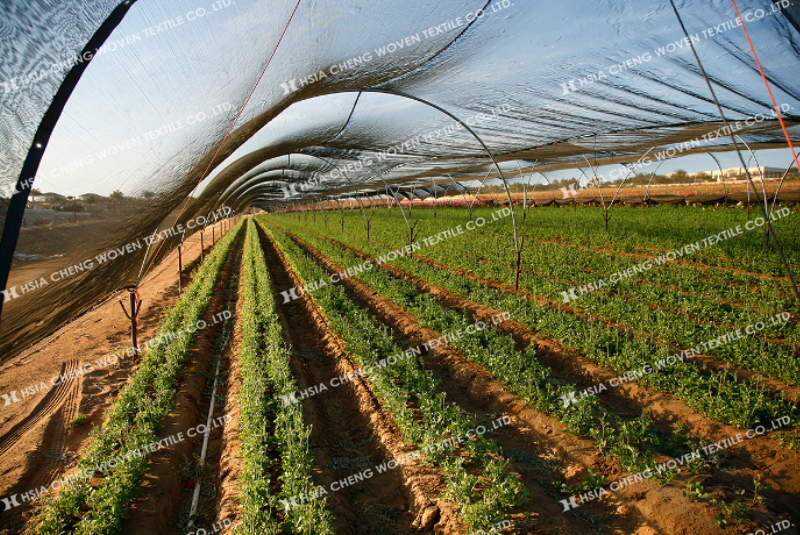
Proper installation can make a noticeable difference in whether shade cloth performs closer to 3–5 years or closer to 5–7 years in outdoor conditions. A few practical measures can help reduce premature wear:
- Avoid overstretching the cloth during installation
- Use stable support frames or cables to distribute tension evenly
- Keep the cloth away from sharp edges or abrasive contact points
- Use soft fastening materials that do not cut into the fibers
Our Knitted Shade Cloth for Long-Term Outdoor Exposure
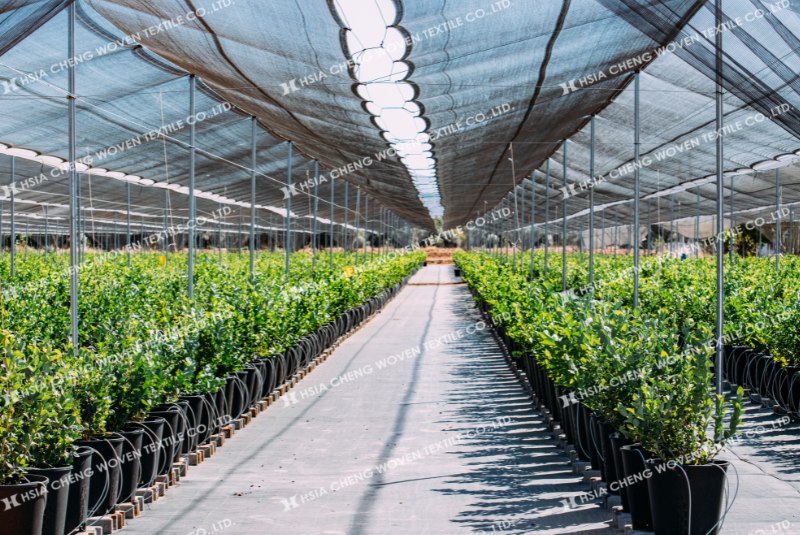
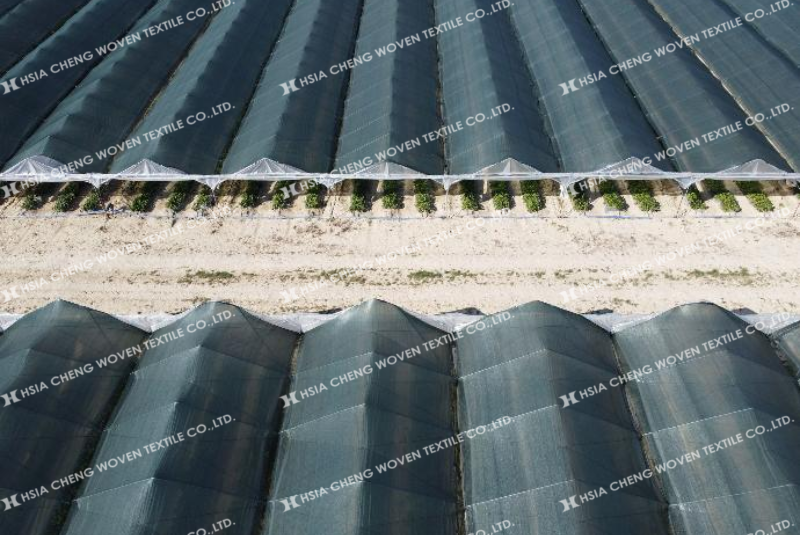
For installations exposed to strong sunlight, repeated rainfall, and changing outdoor conditions, durability depends on more than shade percentage alone. Material consistency, UV stability, and structural flexibility all affect whether a shade cloth lasts only 1–2 years or continues performing for 5–7 years or longer. Hsia Cheng’s knitted shade cloth is designed with these long-term outdoor demands in mind, making it a suitable option for greenhouses, nurseries, farm structures, and other exposed applications.
Key features include:
- Virgin HDPE material for stable quality
- UV-stabilized production to reduce brittleness and early aging
- Knitted construction that helps lower tearing risk under tension
- Breathable design that supports airflow and reduces wind load
Click for More about HDPE Knitted Shade Net
FAQ
Typically 3–7 years; with UV additives and proper care, over 7 years
Its interlocking loop structure provides flexibility and helps distribute tension more evenly under wind and movement.
No. It is not waterproof. It allows water to pass through, which helps reduce water accumulation and surface stress.
The most common factors are insufficient UV protection, lower-grade material, overstretching during installation, and long-term contact with sharp edges.
Why Outdoor Durability Comes Down to Material and Structure
HDPE knitted shade cloth is a durable, cost-effective, and efficient solution for agriculture, construction, and outdoor use. For long-lasting greenhouse protection in harsh outdoor conditions, premium HDPE knitted shade cloth is a reliable investment.