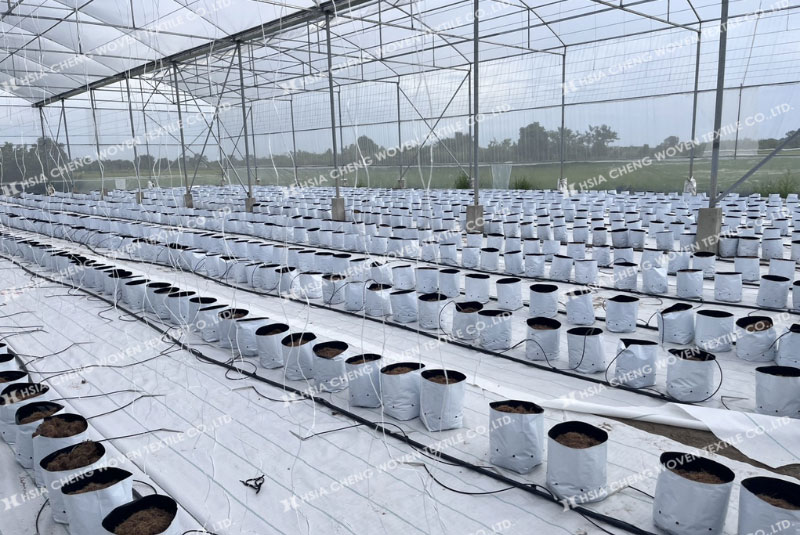
In melon and strawberry farming, bed-surface conditions directly affect weed pressure, irrigation efficiency, fruit cleanliness, and harvest consistency. Because these crops develop close to the planting bed, exposed soil can create more weed competition, faster moisture loss, and greater risks of dirt, splash, and uneven fruit quality.
For this reason, ground cover is not only a weed-control material. It is also a practical tool for cleaner bed management, more consistent moisture conditions, and more efficient crop-row maintenance throughout the growing season.
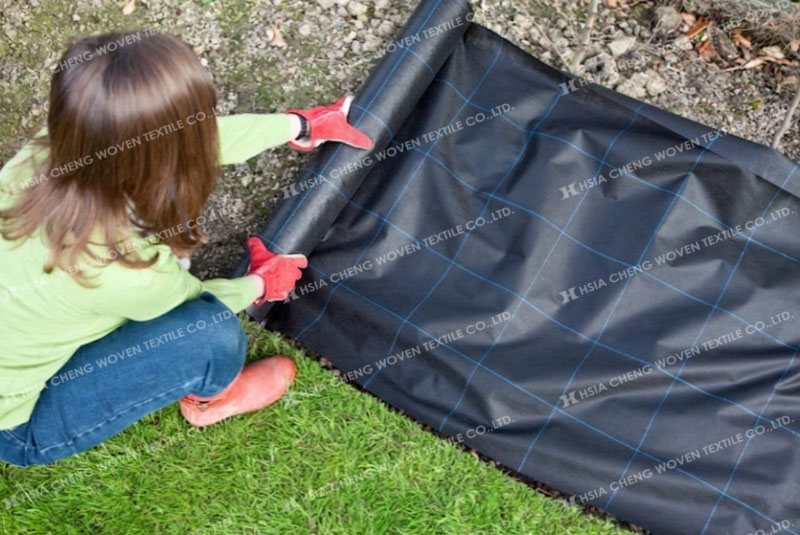
Why Melon and Strawberry Farms Need Better Bed-Surface Management
Melons and strawberries are both sensitive to bed-surface conditions because fruit development, irrigation performance, and daily crop maintenance are closely tied to the planting bed. When the bed surface is left exposed, the production environment becomes harder to control and more labor-intensive to maintain.
Better bed-surface management matters because it helps growers:
- reduce unnecessary weed pressure around crop rows
- maintain cleaner and more organized planting beds
- lower the chance of fruit touching wet or dirty soil
- improve field consistency throughout the growing season
1. Weed Control and Reduced Labor Costs
In melon and strawberry rows, weeds compete directly with crops for water, nutrients, and growing space. They can also make irrigation management and routine field work more difficult, especially in fruiting systems where clean, accessible rows are important.
In well-managed planting systems, ground cover can reduce weeding labor by approximately 80–100%, depending on weed pressure, field conditions, and installation quality.
Key benefits include:
- less competition for water and nutrients
- easier crop-row management during the growing season
- reduced need for repeated manual weeding
- more time available for crop care and yield management
2. Moisture Retention and Water Savings
Moisture consistency is especially important in melon and strawberry farming, where uneven water availability can affect plant vigor, fruit development, and field uniformity. In raised-bed systems, bare soil is more exposed to heat and wind, which can lead to faster evaporation.
Ground cover helps keep the moisture environment more stable and, when used with suitable bed design and drip irrigation, can help save approximately 20–40% of irrigation water.
It supports moisture management by helping to:
- reduce direct evaporation from the bed surface
- retain water in the root zone for a longer period
- improve day-to-day irrigation efficiency
- create more even growing conditions across the field
By reducing direct soil exposure, ground cover can also help moderate surface conditions around the root zone.
3. Cleaner Fruits and Better Crop Quality
Fruit cleanliness is a major quality factor in both melon and strawberry production. When fruits develop too close to exposed soil, they are more likely to be affected by mud, splash, surface moisture, and contamination during rainfall or irrigation.
Ground cover creates a cleaner barrier between the fruiting area and the soil surface, helping growers maintain better fruit presentation and post-harvest quality.
This can help growers:
- keep fruits cleaner and more visually uniform
- reduce soil-contact-related spoilage risks
- lower sorting and handling pressure after harvest
- improve overall market quality and product value
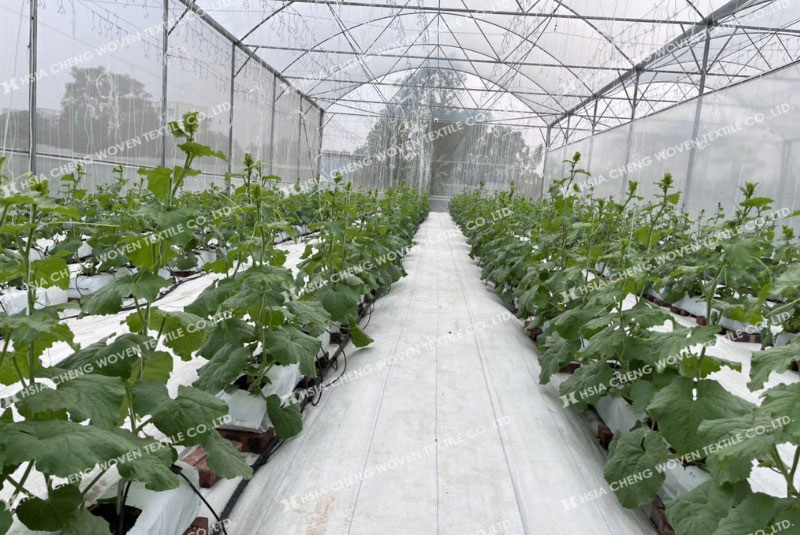
How Ground Cover Supports Drip-Irrigated Melon and Strawberry Production
In many melon and strawberry systems, ground cover is used on raised planting beds rather than on flat, exposed soil. This setup helps improve drainage, supports root development, and creates a more organized growing area for irrigation and fruit management.
Ground cover is particularly effective when combined with drip irrigation. With irrigation lines placed beneath the fabric, water and nutrients can be delivered more directly to the root zone while the bed surface remains cleaner and easier to manage.
For better field performance, growers should pay attention to:
- bed layout: ground cover is most effective when it follows clearly formed planting beds
- planting openings: openings should be made only where planting is required so the rest of the bed surface remains protected
- crop spacing: in many cultivation systems, melons are spaced at approximately 30–50 cm, while strawberries are often planted at around 20–30 cm, depending on the variety and production method
- drip line placement: irrigation lines should be placed beneath the fabric to improve water and nutrient delivery to the root zone
This combination helps optimize water and fertilizer usage while supporting cleaner bed management and healthier crop development.
Tips for Choosing the Right Ground Cover
For repeated farm use, ground cover should be selected based on field performance rather than short-term coverage alone. In melon and strawberry farming, the material needs to withstand sun exposure, regular irrigation, and routine field activity throughout the growing cycle.
Important features include:
- UV resistance to maintain performance under prolonged sun exposure
- a durable woven structure to support repeated seasonal use
- reliable tensile strength to reduce the risk of tearing during field operations
- consistent material quality for more stable weed control and bed coverage
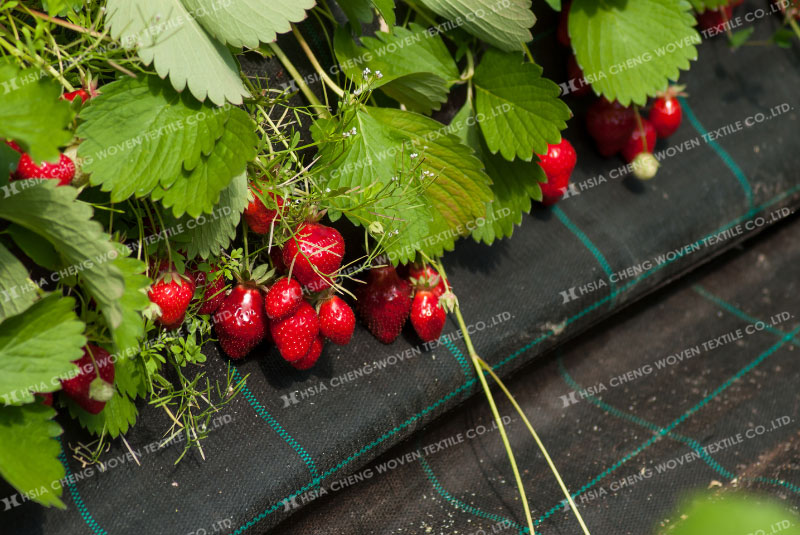
Our Ground Cover Solution – Optimized for Melons and Strawberries
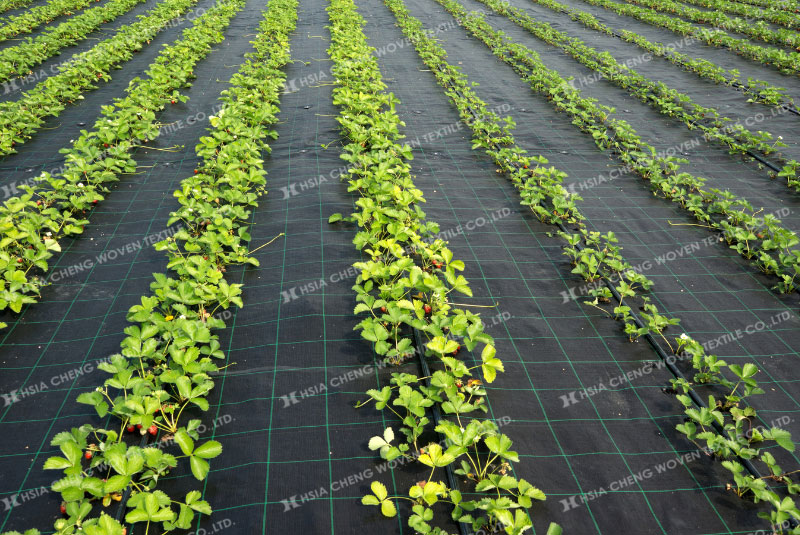
Hsia Cheng’s woven ground cover is designed for agricultural applications that require dependable weed control, structural durability, and stable field management. For melon and strawberry growers, these features are especially valuable in systems that combine raised beds, drip irrigation, and repeated seasonal use.
Its woven structure helps support cleaner bed coverage and more organized crop-row management, making it a practical option for farms that prioritize moisture control, fruit cleanliness, and efficient field operation.
Why Raised-Bed Production Makes Ground Cover More Valuable
In many melon and strawberry systems, raised beds are used to improve drainage, root development, and crop organization. When ground cover is combined with raised-bed production, the benefits become more practical and visible. It helps maintain a cleaner bed surface, supports more controlled irrigation, and reduces unnecessary exposure of the fruiting area to bare soil.
Why Ground Cover Remains a Practical Choice for Melon and Strawberry Growers
In melon and strawberry farming, ground cover does more than suppress weeds. It helps improve bed-surface management, maintain more consistent moisture conditions, reduce unnecessary labor, and keep fruits cleaner during production.
For farms aiming to improve field efficiency, harvest consistency, and market quality, ground cover remains a practical solution in raised-bed and drip-irrigated cultivation systems.
You May Also Be Interested In:
- How Does Ground Cover Help Retain Moisture and Improve Soil? An Effective Solution for Sustainable Agriculture
- Ground Cover Lifespan: Tips to Improve Long-Term Durability