Many people put time into watering and caring for vegetables every day, yet still face weak growth, pest damage, and disappointing yields. In most cases, the problem is not lack of effort. It is a few common mistakes when growing vegetables that are easy to overlook in the early stages.
If these mistakes are identified early, they can usually be corrected before they cause serious crop loss. This article focuses on the most common growing problems, the signs to watch for, and practical ways to fix them quickly.
Signs That Vegetables Are Not Growing Well
Vegetables often show warning signs before serious damage becomes visible. Recognizing these signs early helps growers identify the underlying problem and make faster corrections before yield and plant health decline.
Some common signs include:
- Yellow or pale leaves: often linked to nutrient deficiency, poor root health, or excess moisture
- Tall but weak stems: usually caused by insufficient sunlight
- Small, thin leaves and slow growth: often related to poor soil fertility or overcrowding
- Leaves with holes, curling, or surface damage: a common sign of pest activity
- Wilted plants despite moist soil: may indicate overwatering or root stress
- Delayed growth and low productivity: often caused by several growing stresses working together
You May Be Interested In:
Growing Vegetables in Summer: How Shade Nets Help Control Light & Temperature
Sun Shading for Crops: Choosing the Right Woven Shade Netting
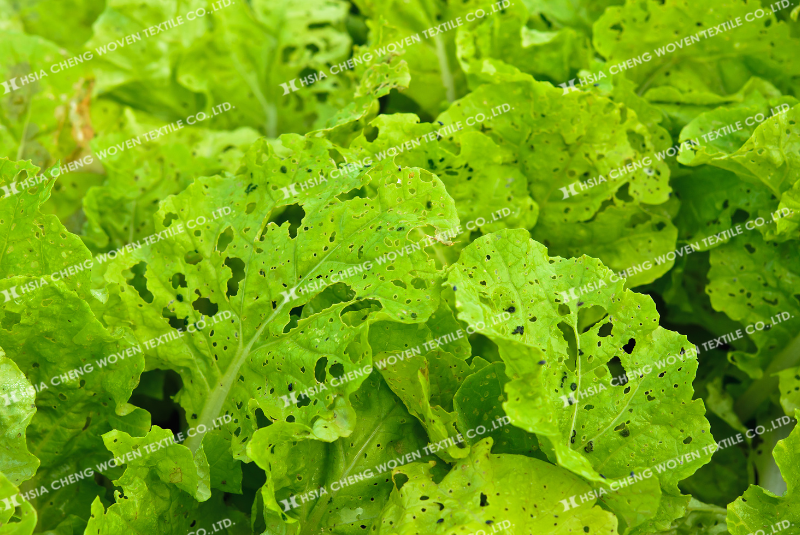
Common Mistakes When Growing Vegetables
Below are the most common mistakes when growing vegetables that affect plant health and yield.
Growing Vegetables in the Wrong Light Conditions
Light directly affects stem strength, leaf development, and yield. When vegetables do not receive enough sunlight, they often become elongated, weak, and less productive. In hot climates, excessive sunlight can also create heat stress and leaf burn.
How to fix it fast: Place vegetables where they can receive steady daily sunlight. In very hot conditions, use shade nets to reduce excess heat and create a more stable growing environment.
Watering Too Much or Too Little
Watering errors are one of the most common reasons vegetables perform poorly. Overwatering reduces oxygen in the root zone and may lead to root damage, while underwatering slows growth and causes stress during key development stages.
How to fix it fast: Check soil moisture before watering instead of following a fixed habit. Water when the top layer begins to dry, and avoid keeping the soil constantly soaked.
Using Poor or Compacted Soil
Vegetables need loose, well-drained soil to develop healthy roots. If the soil is compacted or lacks organic matter, roots cannot expand properly and nutrient uptake becomes weaker.
How to fix it fast: Improve the soil with compost or other organic matter and make sure drainage is adequate. Better root conditions often lead to stronger recovery in color and growth.
Applying Fertilizer Incorrectly
Too much fertilizer can stress plants, while too little slows growth and reduces leaf development. Another common mistake is applying the wrong type of fertilizer at the wrong stage.
How to fix it fast: Use balanced fertilization based on plant growth stage and avoid excessive feeding.
Planting Too Densely
Overcrowding reduces airflow, light penetration, and root space. It also raises humidity around the canopy, making pest and disease problems harder to manage.
How to fix it fast: Thin seedlings or adjust spacing so each plant has enough room for light, airflow, and root development.
Waiting Too Long to Control Pest Problems
Many growers only respond after insect damage becomes visible across a large area. By that time, leaves may already be weakened and plant recovery becomes slower.
How to fix it fast: Inspect crops early and use preventive protection before infestations become severe. For physical protection, an insect proof net can help block common insects from reaching young vegetables and reduce the need for repeated chemical treatment.
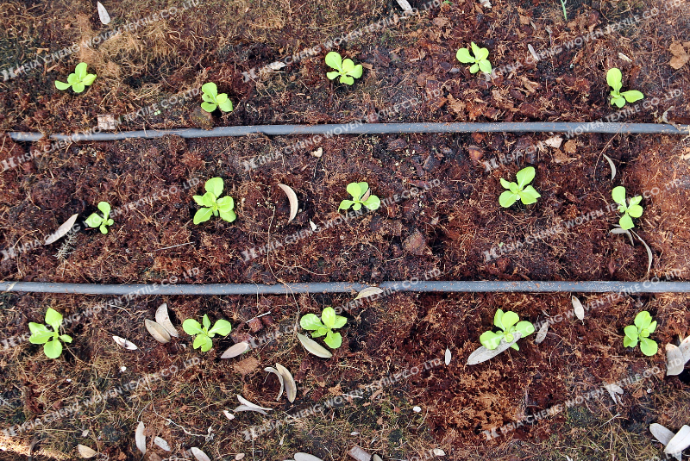
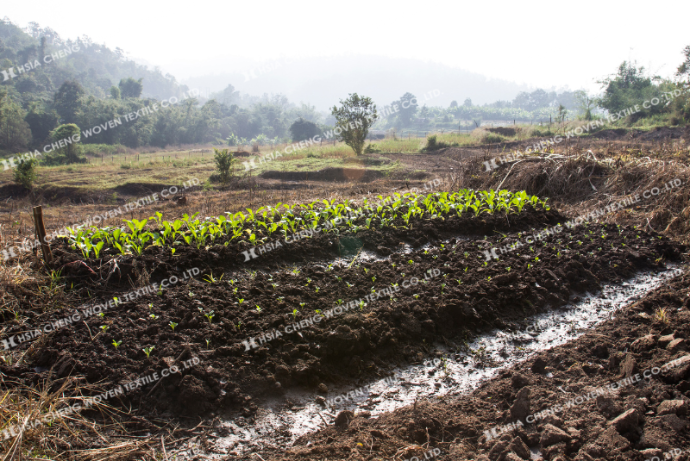
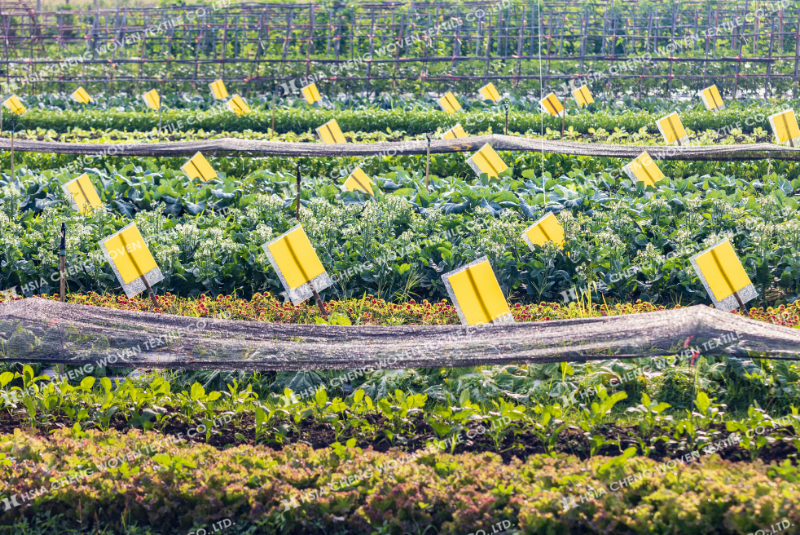
Prevent Early Pest Damage with Hsia Cheng Anti Insect Net
One of the most common mistakes when growing vegetables is waiting too long to control pests. By the time holes, curling leaves, or weak growth become obvious, insects may already be affecting plant health and reducing yield potential.
Hsia Cheng’s anti insect net offers a practical way to prevent this problem earlier. By helping block harmful insects before they spread across the crop area, it supports healthier leaf growth, reduces pest pressure, and lowers the need for repeated chemical spraying.
For growers looking to improve vegetable protection as part of better daily crop management, Hsia Cheng’s anti insect net can be a useful solution for creating a more stable growing environment.
Effective Vegetable Growing Practices to Avoid Mistakes
Ensure sufficient sunlight
Choose areas with 4–6 hours of direct sunlight daily, such as balconies, rooftops, or open spaces.
Use suitable soil
Loose, well-draining, nutrient-rich soil supports healthy root development.
Water correctly
Check soil moisture and maintain moderate hydration. Water early morning or late afternoon.
Control pests early
Inspect plants regularly, remove pests manually, or use biological agents. Early pest management reduces damage and reliance on chemicals.
Combine nets and greenhouse films
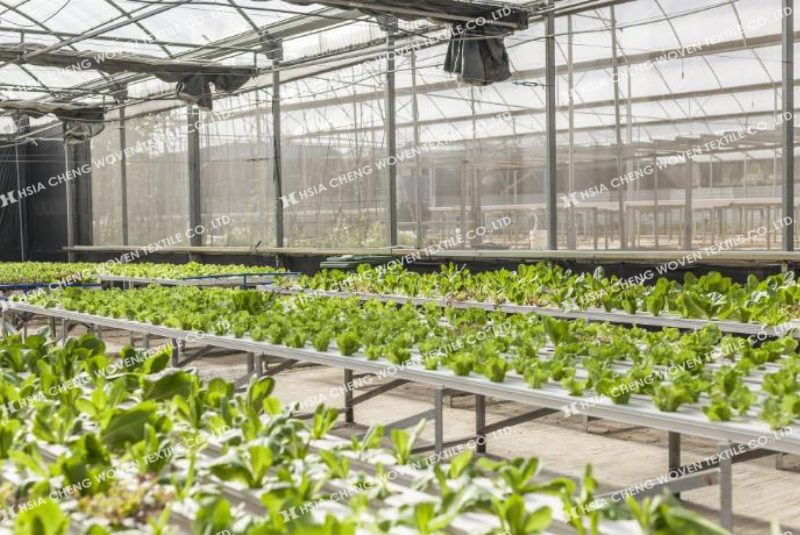
Insect-proof nets, shade nets, and greenhouse films protect crops and ensure stable growth.
Frequently Asked Questions (FAQ)
Most vegetables need 4–6 hours of direct sunlight daily. Lack of sunlight results in weak, small, slow-growing plants.
Typically 1–2 times daily, in the early morning or late afternoon. Always check soil moisture first.
Usually every 7–10 days depending on crop type, using organic or microbial fertilizers.
Inspect plants regularly, keep gardens clean, and use sticky traps, biological agents, or insect-proof nets for pest control effectiveness.
Yes, but ensure drainage, avoid waterlogging, and use nets or covers to reduce pest and fungal risks.
Yes, especially in hot climates. They reduce heat stress and improve plant stability.
Conclusion
Most mistakes when growing vegetables are not difficult to fix, but they do need to be recognized early. Problems with light, watering, soil, spacing, and delayed pest control can all reduce plant performance and yield. By focusing on fast correction and better prevention, growers can create healthier conditions for vegetables and avoid repeating the same mistakes. When recurring pest pressure or heat stress becomes a growing challenge, insect proof net and shade nets can support a more stable cultivation environment.